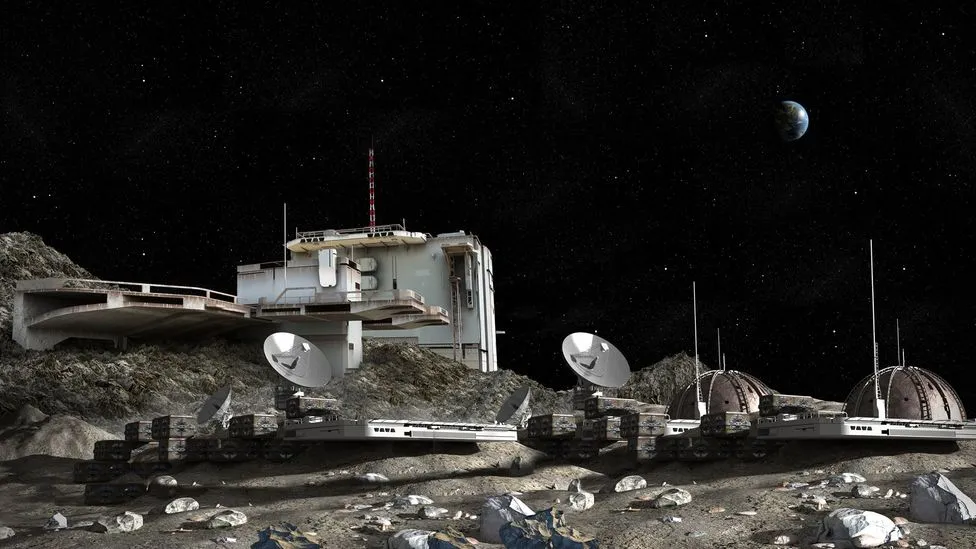
The stakes are high as NASA embarks on an ambitious plan to construct a $20 billion base on the moon’s surface over the next seven years. This initiative marks a significant shift in the United States’ approach to lunar exploration, aiming to establish a permanent presence on the moon by 2028, a goal set against the backdrop of renewed global interest in space.
The decision to build a moon base comes with the cancellation of the Gateway lunar space station, a project that was initially part of the Artemis program. Instead, NASA will focus on a more direct approach, beginning with robotic missions that will lay the groundwork for future human landings. This strategy reflects a desire to streamline operations and maximize the effectiveness of lunar missions.
NASA’s Artemis program, which aims to return American astronauts to the moon for the first time since 1972, is now reshaped under the leadership of Administrator Jared Isaacman. He emphasizes the importance of achieving this near-impossible feat, stating, “NASA is committed to achieving the near‑impossible once again, to return to the moon before the end of President Trump’s term, build a moon base, establish an enduring presence, and do the other things needed to ensure American leadership in space.”
Development of the moon base will unfold in three phases, with a focus on increasing the cadence of human moon landings beginning in 2028. NASA plans to undertake crewed surface missions at least every six months after the Artemis 5 mission, a significant increase in activity compared to previous years.
Since 2024, NASA has successfully landed three robotic vehicles on the moon, showcasing its commitment to lunar exploration. The agency plans to leverage its Commercial Lunar Payload Services (CLPS) program to facilitate these missions, collaborating with commercial and international partners to achieve its ambitious goals.
In 2027, NASA anticipates conducting 30 uncrewed landings, a critical step towards establishing a sustainable lunar presence. Isaacman notes, “We will invest approximately $20 billion over the next seven years and build it over dozens of missions, working together with commercial and international partners towards a deliberate and achievable plan.”
The height of the Space Launch System rocket, at 322 feet, underscores the scale of this endeavor. As NASA prepares for the Artemis 2 mission, which will last 10 days, the agency is poised to make significant strides in lunar exploration.
Despite the ambitious timeline, uncertainties remain regarding the exact implementation of the moon base project and the potential challenges that may arise. Details remain unconfirmed as NASA navigates the complexities of this unprecedented venture.