The numbers
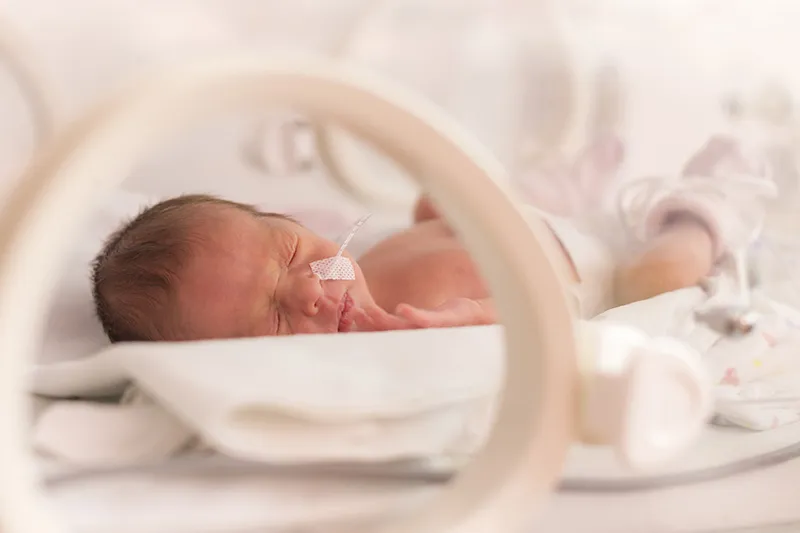
In 2018, exposure to di-2-ethylhexylphthalate (DEHP) was linked to nearly 1.97 million preterm births worldwide, a staggering figure that underscores a growing public health crisis. This chemical exposure is also associated with the deaths of 74,000 newborns in the same year, highlighting the severe consequences of phthalate exposure on maternal and infant health.
Approximately 8% of the total preterm births globally were attributed to DEHP, according to a study that estimated DEHP exposure across 200 countries and territories. The findings indicate that the impact of these chemicals is not confined to a single region but is a widespread issue affecting various populations.
Further complicating the situation, diisononyl phthalate (DiNP) may have contributed to about 1.88 million preterm births worldwide. The prevalence of these chemicals in consumer products, including cosmetics, detergents, and food packaging, raises questions about the safety of everyday items that many people use without a second thought.
Geographically, the burden of DEHP-linked preterm births is not evenly distributed. Africa accounted for 26% of health problems arising from DEHP exposure, while the Middle East and South Asia represented a staggering 54% of estimated illnesses related to preterm births linked to this chemical. This disparity suggests that vulnerable regions may be disproportionately affected, emphasizing the need for targeted public health interventions.
Dr. Leonardo Trasande, a prominent researcher in the field, remarked, “This is a dangerous class of chemicals,” highlighting the urgent need for regulatory action. He further noted, “We are playing a dangerous game of Whac-A-Mole with hazardous chemicals,” pointing to the challenges faced in managing the risks associated with phthalates.
Sara Hyman, MS, who contributed to the study, stated, “By estimating how much phthalate exposure may contribute to preterm birth worldwide, our findings highlight that reducing exposure, especially in vulnerable regions, could help prevent early births and the health problems that often follow.” This statement underscores the potential for preventive measures to mitigate the risks associated with these chemicals.
Phthalates are known to interfere with the body’s hormone production mechanism and are linked with various health problems. However, details remain unconfirmed regarding the direct causation of preterm birth by DEHP and DiNP. There is some uncertainty in the data regarding the impact of DEHP, indicating that further research is necessary to fully understand the implications of these findings.
As the global community grapples with the implications of these findings, the broader concern remains about phthalates as a class. Dr. Donghai Liang cautioned that focusing on one or two phthalates at a time may underestimate the overall risk, suggesting that a more comprehensive approach is needed to address the health risks posed by these chemicals.