Cuba has long attributed its economic struggles to a U.S. energy blockade, which has severely impacted its health system, public transportation, and the production of goods and services. This backdrop of hardship has intensified as the island nation grapples with a significant reduction in oil supplies, particularly after halting key shipments from Venezuela due to U.S. military actions.
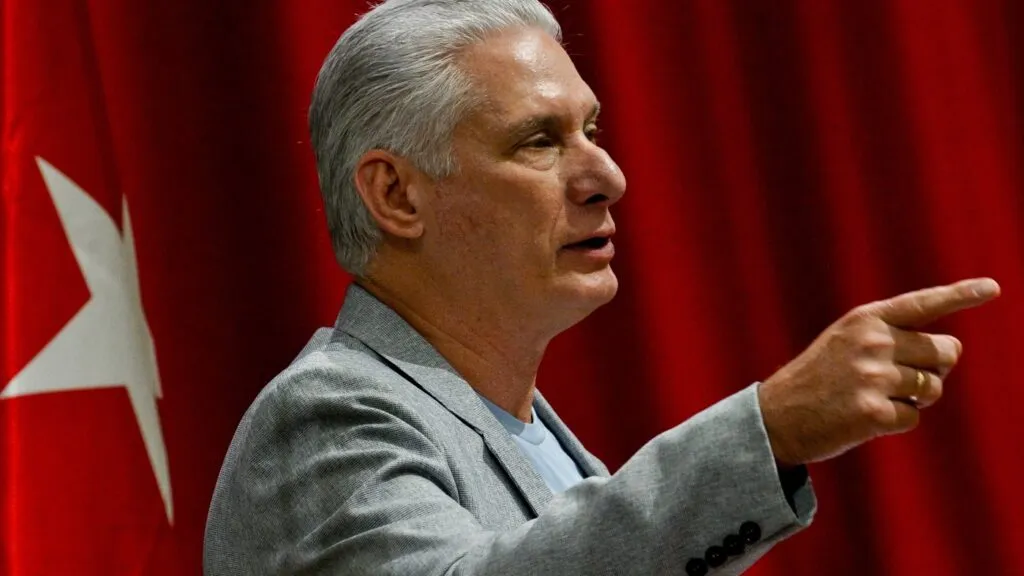
In a recent statement, President Miguel Díaz-Canel firmly asserted that the United States has no valid reason to attack Cuba or attempt to depose him. He warned that any military invasion would not only be costly for the U.S. but would also destabilize regional security. “If that happens, there will be fighting, and there will be a struggle, and we will defend ourselves, and if we need to die, we’ll die, because as our national anthem says, ‘Dying for the homeland is to live,’” he declared.
Díaz-Canel characterized the U.S. economic embargo as “genocidal and cruel,” reflecting the deep frustrations felt by many Cubans. He emphasized that Cuba is open to foreign investment in oil exploration and drilling, indicating a willingness to engage economically despite the ongoing tensions.
Moreover, the Cuban leader expressed a desire for dialogue with the U.S. without preconditions, stating, “Nobody has made those demands to us, and we have established that in respect to our political system or constitutional order, these are issues that are not under negotiations with the United States.” This highlights Cuba’s insistence on sovereignty and self-determination.
While Díaz-Canel did not commit to releasing political prisoners during the interview, he reiterated that Cuba’s position is entirely defensive. The U.S. has maintained its economic embargo on Cuba since 1962, a policy that has been a source of contention between the two nations.
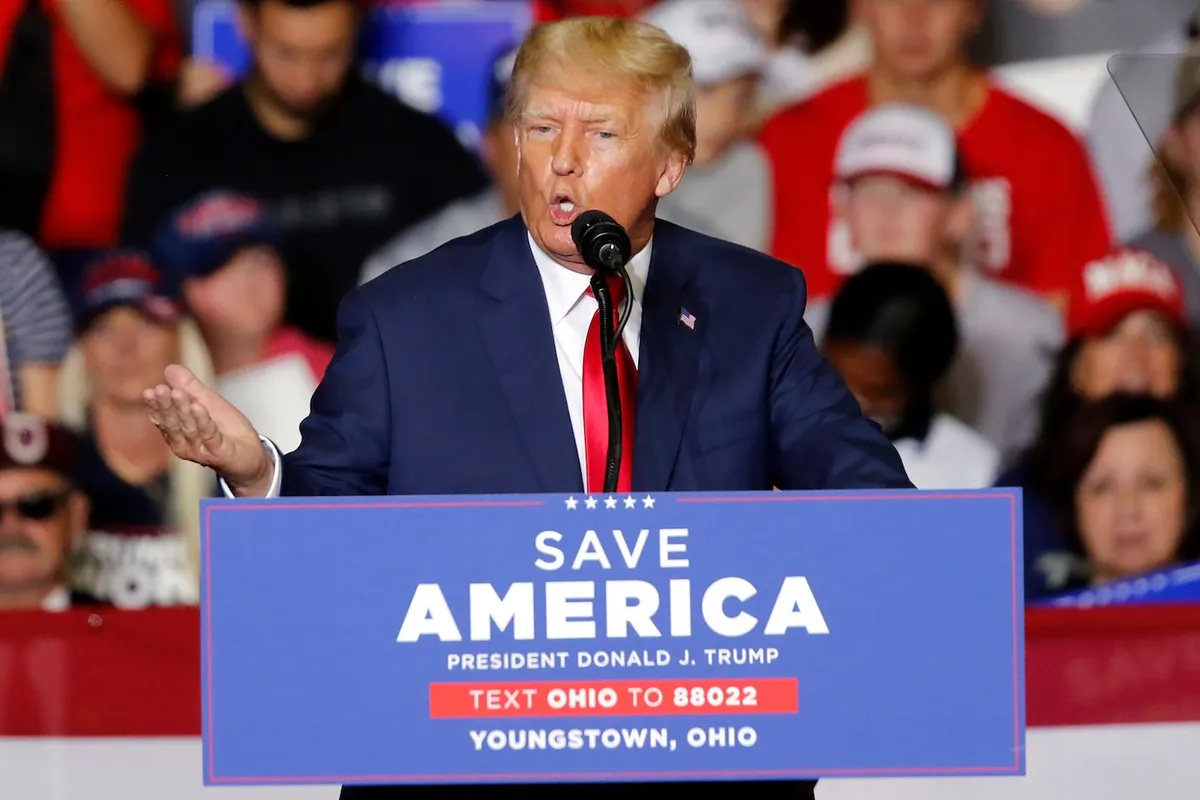
In a stark contrast to Díaz-Canel’s assertions, former U.S. President Donald Trump once proclaimed, “Cuba’s finished,” reflecting a sentiment among some U.S. officials that the Cuban regime is on the brink of collapse. However, Díaz-Canel’s statements suggest a resilient stance from the Cuban government, determined to withstand external pressures.
As the situation evolves, observers are keenly watching how both nations will navigate this complex relationship. The potential for dialogue remains, but the path forward is fraught with challenges, particularly given the historical context of U.S.-Cuba relations.