Reaction from the field
The humanitarian crisis in Cuba has reached alarming levels, with over half of Canadians supporting aid to the island despite potential backlash from the United States. This sentiment is reflected in a recent survey where 51 percent of respondents indicated that Canada should provide assistance to Cuba, highlighting a growing concern for the welfare of the Cuban people amidst ongoing U.S. sanctions.
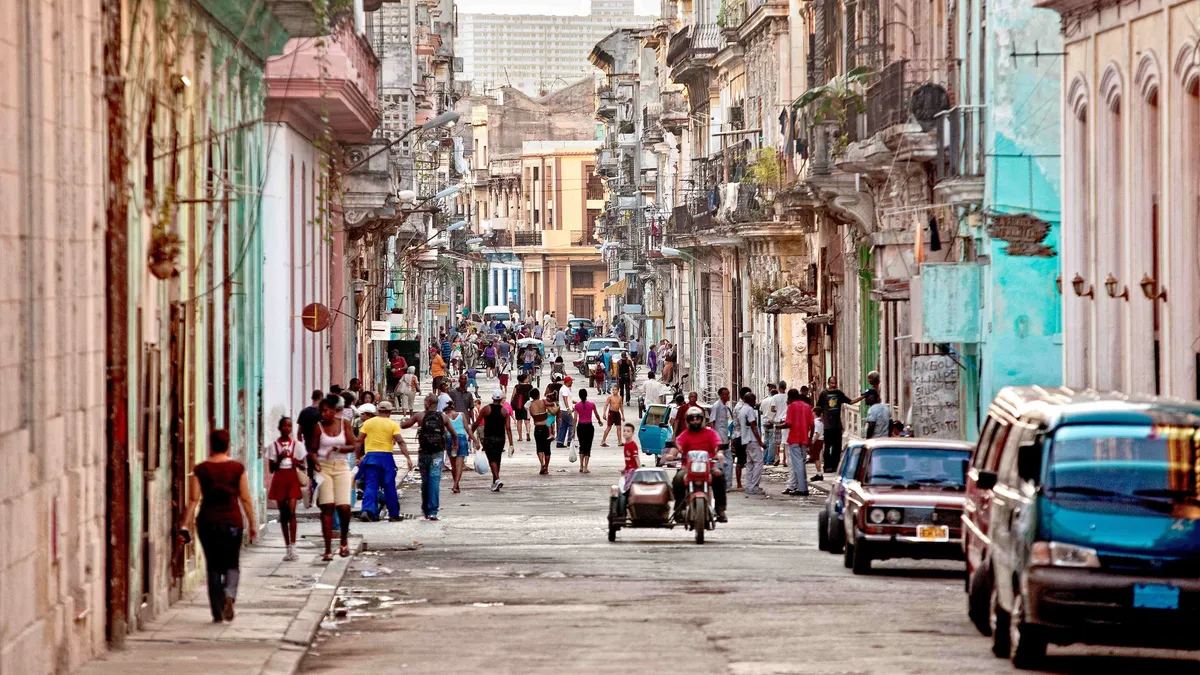
Canada has responded by sending $8 million in food aid to Cuba, a move that underscores the urgency of the situation. The island nation is currently grappling with a severe fuel shortage, a crisis exacerbated by U.S. blockades that have stifled its economy and hindered access to essential resources. Cuba’s ambassador to Canada has described the U.S. actions as “suffocating an entire people,” emphasizing the dire implications of these policies.
The U.S. blockade has not only impacted Cuba directly but has also affected its primary source of fuel, Venezuela, which has faced its own sanctions. As a result, Cuba’s energy crisis has deepened, leading to widespread shortages and humanitarian challenges. In a recent development, a sanctioned Russian oil tanker managed to unload 700,000 barrels of crude oil at Cuba’s Matanzas oil terminal, providing a temporary reprieve but highlighting the lengths to which Cuba must go to secure fuel.
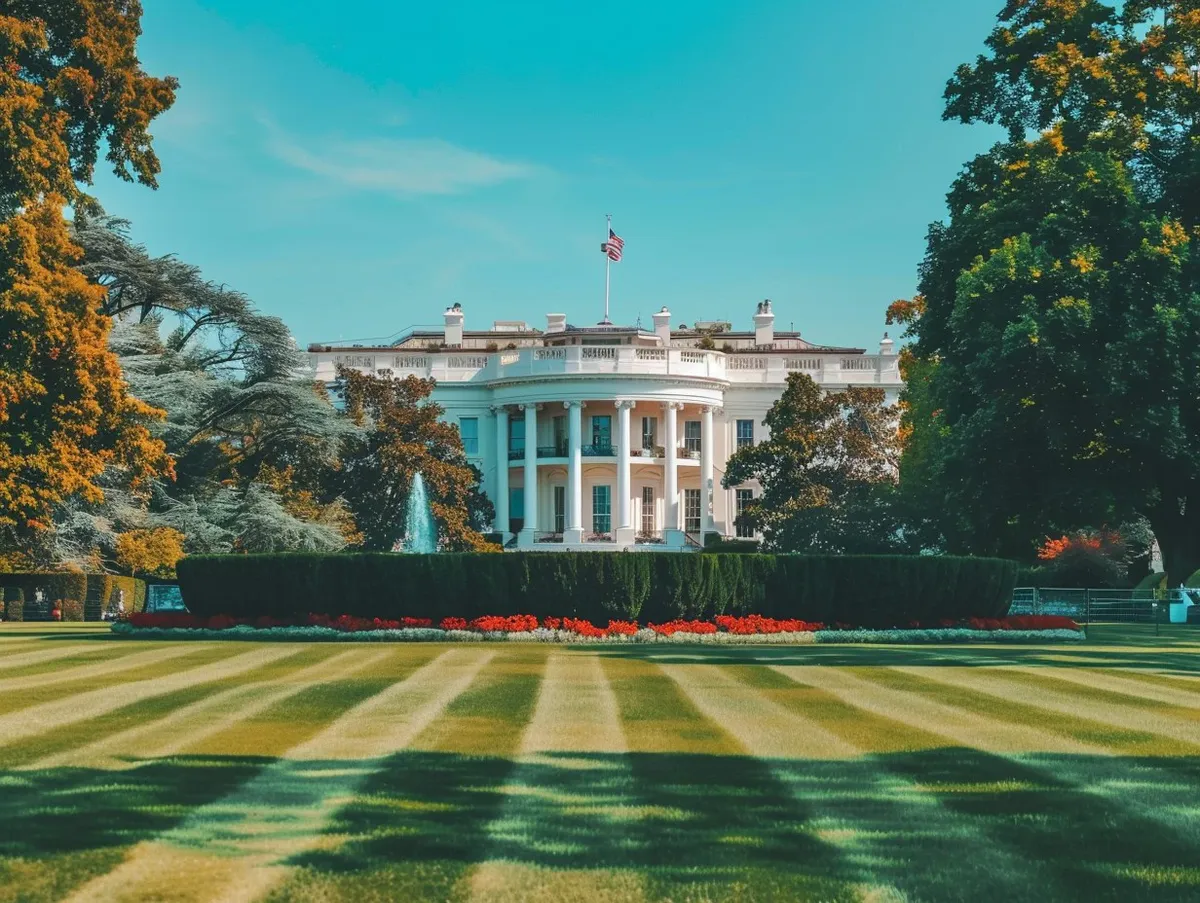
Calls for an end to the U.S. energy blockade have gained traction, particularly after two U.S. lawmakers visited Cuba and publicly condemned the sanctions. Representatives Pramila Jayapal and Jonathan Jackson described the blockade as “cruel collective punishment” that has inflicted permanent damage on Cuba’s infrastructure and economy. They argue that the blockade amounts to an economic bombing of the country, leading to inhumane living conditions for its citizens.
Jayapal further stated, “We need a longer, permanent solution for the Cuban people and the American people,” indicating a desire for a shift in U.S. policy that would allow for more constructive engagement rather than punitive measures. The ongoing humanitarian crisis has prompted a reevaluation of international relations, particularly between Canada and Cuba, as Canada seeks to provide support while navigating the complexities of U.S. foreign policy.
Despite these efforts, the U.S. government has threatened to impose tariffs on countries that supply fuel to Cuba, further complicating the situation. This potential escalation raises questions about the future of international aid and cooperation in the region. The collective punishment of the Cuban people has been condemned by various international figures, with Rodrigo Malmierca Diaz stating, “The collective punishment of a whole nation is an unjustifiable crime.”
As the situation evolves, uncertainties remain regarding the effectiveness of international aid efforts and the potential for policy changes from the U.S. government. Details remain unconfirmed about the long-term implications of the recent developments, and the international community watches closely to see how the crisis unfolds.