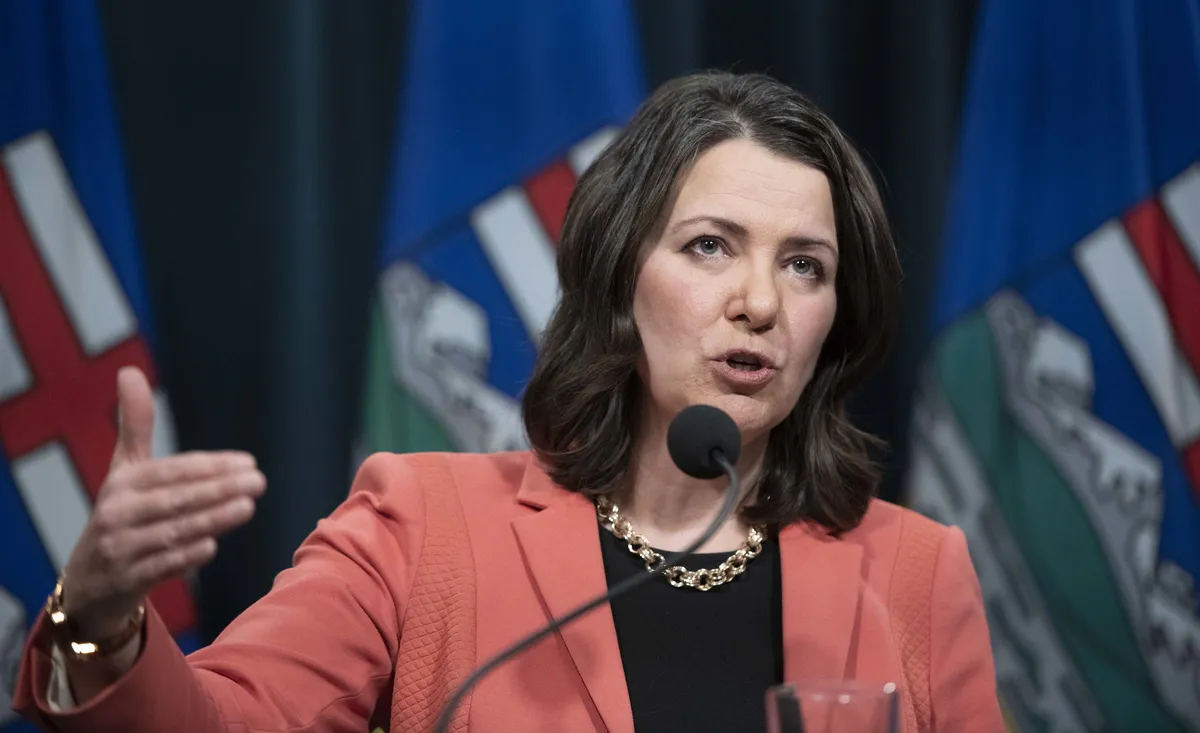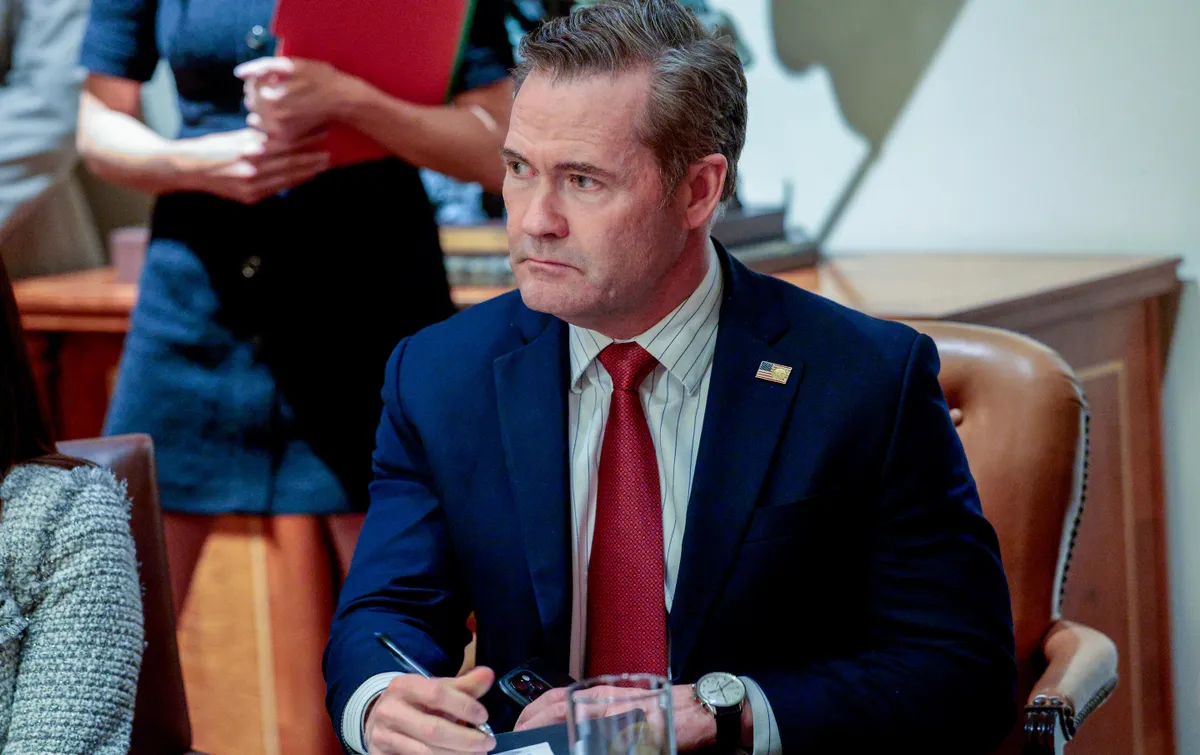
“We’re offering a very fair and reasonable DEAL, and I hope they take it because, if they don’t, the United States is going to knock out every single Power Plant, and every single Bridge, in Iran. NO MORE MR. NICE GUY,” said Donald Trump — a statement that reverberated through international corridors of power.
Michael Waltz, the U.S. Ambassador to the United Nations, stood firmly behind this aggressive rhetoric. He characterized Trump’s threats as “perfectly acceptable,” asserting that all options regarding Iran remain on the table. This endorsement of military action against civilian infrastructure raises profound questions about the ethics of warfare and international law.
Waltz’s position cannot be viewed in isolation; it comes amid heightened tensions following a ceasefire in Lebanon on April 14, 2026. That truce was forged under pressure from Iranian interests, seeking to stabilize a region fraught with conflict between Israel and Hezbollah. Just days later, Trump’s threats against Iran shifted the focus back to another longstanding geopolitical flashpoint.
Waltz elaborated on the historical context of such actions: “That would be an escalatory ladder. And if you go back in the history of warfare… we bombed and took down bridges, other infrastructure, power plants that… could be used for civilian but also are used to manufacture drones and missiles.” His invocation of World War II as a precedent suggests a willingness to draw parallels between past conflicts and current strategies.
Yet, this raises an unsettling dilemma. As Waltz noted, “The Iranian regime in particular… has a long history of actually deliberately hiding military infrastructure in hospitals, schools, neighborhoods and other civilian assets.” The implication is clear: targeting such infrastructure complicates moral accountability in modern warfare — especially when civilians are often caught in the crossfire.
Moreover, Waltz claimed that Iranian air defenses have been decimated — implying a strategic advantage for any potential military strikes. But can we ignore the human cost? The prospect of collateral damage looms large over discussions about military efficacy versus humanitarian concerns.
The geopolitical landscape remains precarious. Israeli Defense Minister Israel Katz has threatened heavy consequences for Lebanon if Hezbollah is not disarmed — a threat that intertwines with Waltz’s endorsement of aggressive U.S. tactics against Iran. As these narratives converge, one must ask: what are the long-term implications for U.S.-Middle East relations?
As we move forward, the stakes are higher than ever. With tensions simmering and diplomatic channels strained, any miscalculation could escalate into broader conflict. The world watches closely — details remain unconfirmed.