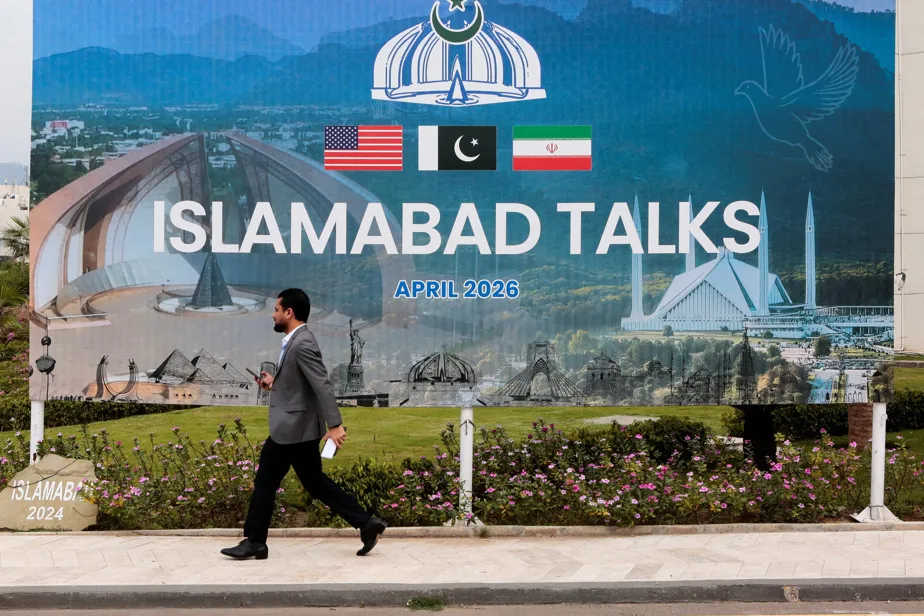
In a groundbreaking development, negotiations between Iran and the United States commenced in Islamabad on April 11, 2026, marking the first direct talks between the two nations since the Islamic Revolution of 1979. The discussions, which lasted nearly 15 hours on their first day, involve a trilateral framework that includes Pakistani officials, highlighting Pakistan’s role as a mediator in this high-stakes dialogue.
The U.S. delegation is led by Vice President J.D. Vance, while Iran’s representatives include Mohammad Bagher Ghalibaf, the President of Parliament, and Foreign Minister Abbas Araghchi. The presence of such high-ranking officials underscores the seriousness of the negotiations, which aim to address a range of issues stemming from decades of hostility and conflict.
These negotiations come in the wake of escalating tensions in the region, particularly following a recent Israeli-American offensive against Iran that began on February 28. The conflict has resulted in significant casualties, with reports indicating over 2,000 deaths and more than 6,436 injuries in Lebanon since March 2. The situation has been exacerbated by Israeli strikes, which have claimed 18 lives in southern Lebanon alone.
Amidst this backdrop, the U.S. military has also been active, with two destroyers reportedly crossing the Strait of Hormuz for demining operations. This strategic passage has been a focal point of conflict, further complicating the already tense relations between Iran and the United States. The Strait of Hormuz is crucial for global hydrocarbon supply, and its blockade since the onset of the conflict has raised alarms internationally.
Initial reactions to the negotiations have varied. Donald Trump, a prominent figure in U.S. politics, stated, “We are in advanced negotiations with Iran. We are winning anyway; we have defeated them militarily.” This assertion reflects a confident stance from the U.S. side, although it raises questions about the sincerity of the negotiations and the potential for a lasting resolution.
Pakistani officials have described the atmosphere of the negotiations as cordial, suggesting a willingness to engage in constructive discussions. However, Shehbaz Sharif, the Pakistani Prime Minister, cautioned that “this stage is expected to be difficult to establish a lasting truce,” indicating the challenges that lie ahead in reaching a comprehensive agreement.
As the negotiations unfold, details remain unconfirmed regarding the exact terms and outcomes of the discussions. The impact of a potential ceasefire on the ongoing conflict in Lebanon also remains uncertain, leaving observers to speculate on the broader implications of these historic talks.