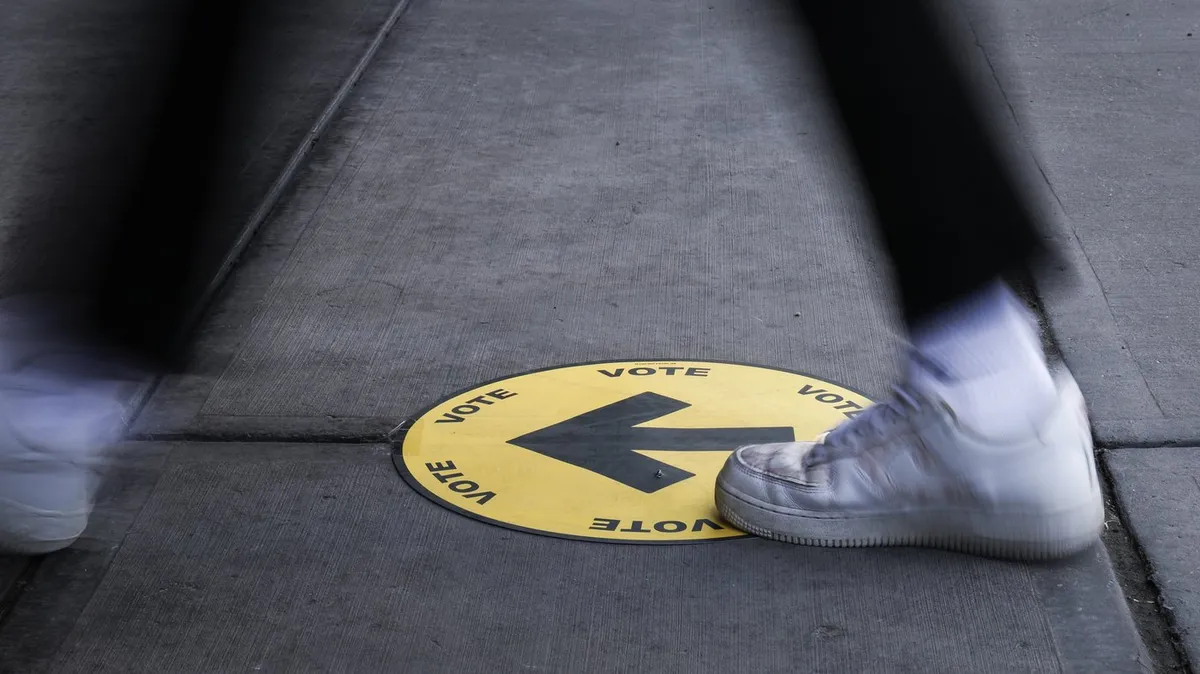
“Canada’s elections belong to Canadians. Outside money, influence and threats have no place in them.” This emphatic declaration from Steven MacKinnon, a key figure in the Canadian government, encapsulates the essence of the newly introduced Strong and Free Elections Act. The legislation, which aims to bolster the integrity of Canada’s electoral system, comes at a time when concerns about foreign interference and misinformation have reached a fever pitch.
The Strong and Free Elections Act, introduced on March 26, 2026, is a comprehensive response to the evolving challenges facing democratic processes. Among its many provisions, the bill seeks to ban digital deepfakes of candidates, a move intended to protect the authenticity of electoral campaigns. Additionally, it addresses the issue of long ballots by allowing voters to sign only one candidate’s nomination paper, streamlining the voting process.
In a further effort to enhance electoral integrity, the legislation proposes significant increases in administrative fines for violations of the Canada Elections Act. The maximum fine for individuals will rise from $1,500 to $25,000, while organizations could face fines of up to $100,000. Such measures are designed to deter potential misconduct and maintain public confidence in Canada’s democratic institutions.
Another critical aspect of the bill is its prohibition on political parties and third parties accepting difficult-to-trace donations. This provision aims to eliminate the shadowy financial influences that can undermine electoral fairness. MacKinnon emphasized the importance of these reforms, stating, “I do believe that amendments to the Elections Act should be the subject of, not maybe total agreement on every word, but a consensus on principles and a consensus, generally speaking, on measures to move forward.”
The legislation also extends election protections to be effective year-round, addressing concerns that have lingered beyond the traditional election cycle. Measures to protect nomination and leadership contests from foreign influence and bribery are included, reflecting a growing recognition of the need for vigilance in safeguarding democratic processes.
Moreover, the bill introduces new privacy policy requirements for federal political parties, ensuring that voter data is handled responsibly and transparently. The government has committed to investing $31.5 million over five years to enhance the capacity of Global Affairs Canada’s Rapid Response Mechanism, further underscoring its commitment to electoral integrity.
As Canada prepares for these significant changes, the backdrop of recent electoral controversies looms large. The legislation follows recommendations from the chief electoral officer and the commissioner of elections, highlighting a proactive approach to addressing the vulnerabilities exposed in previous elections. However, details remain unconfirmed regarding whether these changes will effectively deter protest groups from flooding ballots with independent candidates.
In a political landscape increasingly fraught with accusations of electoral fraud, the Strong and Free Elections Act represents a pivotal moment for Canada. As MacKinnon aptly noted, “The Parliament of Canada finds that to be harassing behaviour,” a sentiment that resonates as the nation grapples with the complexities of modern electoral challenges. The next steps in this legislative journey will be closely watched by both supporters and critics alike, as Canada seeks to redefine the integrity of its ballot process.