“Canadians are feeling the pressures of everyday expenses right now,” Prime Minister Mark Carney stated, highlighting the urgency behind a recent policy shift.
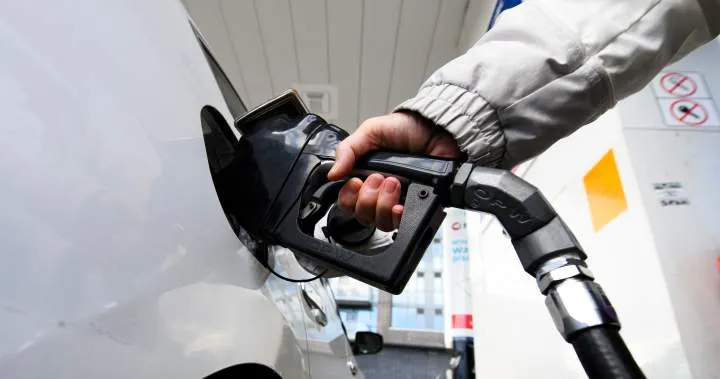
The federal government’s decision to pause excise taxes on gasoline and diesel took effect this Monday. This tax holiday will reduce prices by up to $0.10 per litre for gasoline and $0.04 per litre for diesel—an effort that comes at a significant cost of approximately $2.4 billion to taxpayers.
As of Monday, average gas prices across Canada stood at $1.69 per litre, a stark contrast to last year’s price of $1.31 per litre. Just last week, prices were even higher at an average of $1.74 per litre. In Newfoundland and Labrador, gasoline prices saw a decrease of 11.5 cents per litre, while diesel dropped by 4.6 cents.
This suspension is not merely a domestic issue; it is largely influenced by the ongoing U.S.-Iran war, which has caused ripples in global oil markets. The Strait of Hormuz—a crucial chokepoint—accounts for nearly 20 percent of all oil trade worldwide.
In light of these developments, Carney remarked that the tax holiday would mean reduced fuel prices on gas by up to $0.28 per litre when considering other factors at play.
Conservative Leader Pierre Poilievre had previously urged the government to lift the fuel excise tax, indicating political pressure surrounding this issue.
Propane and furnace oil remain exempt from this tax suspension, leaving some consumers still vulnerable to high energy costs.
As Canadians navigate these fluctuating prices, the broader implications for the economy remain to be seen—especially given the significant budgetary impact on government finances.
The situation continues to evolve as global tensions affect local realities; details remain unconfirmed regarding future adjustments or additional measures by the government.