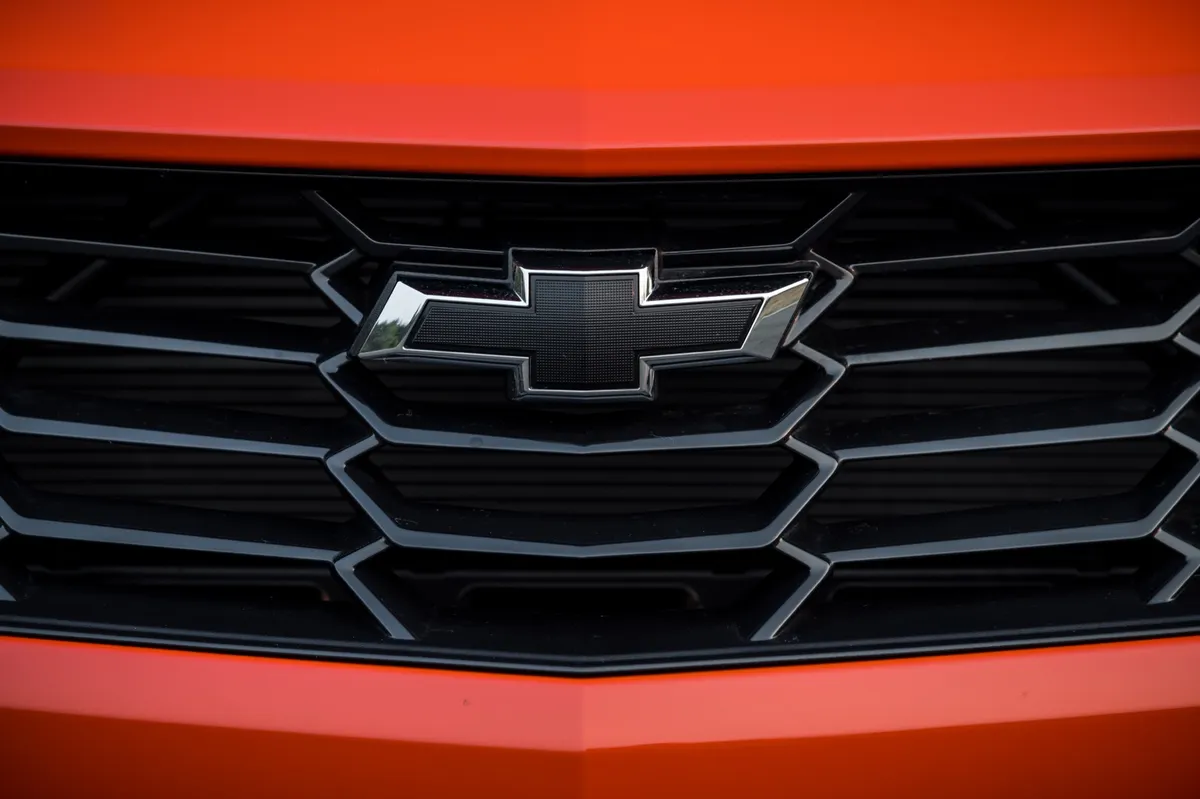
The impending replacement for the Chevy Camaro marks a significant shift in the automotive landscape, particularly within the sports car segment. As consumer preferences evolve, General Motors (GM) is poised to introduce a four-door variant that diverges from traditional expectations. This change is not merely cosmetic; it reflects a broader trend in the market where the two-door sports car segment has been contracting, with a reported decline of nearly 19% in 2025.
Riding on the updated GM Alpha 2-2 platform, the new model will feature a front-engine, rear-wheel-drive layout, a configuration that has historically appealed to driving enthusiasts. However, the decision to prioritize a four-door design raises questions about the future of the iconic Camaro nameplate. Sources indicate that GM is hesitant to use the ‘Camaro’ badge on a vehicle that strays from the traditional two-door profile, which has been a hallmark of the brand.
The four-door approach is not without its merits. A well-styled sporty car with four doors could effectively cater to a broader audience, potentially increasing market share in a segment dominated by competitors like the Ford Mustang, which boasts a staggering 60% market share in 2025 with year-to-date sales of 45,333 units. In contrast, the two-door mainstream sports car segment is facing challenges, as evidenced by the declining sales figures of models such as the Dodge Challenger and Subaru BRZ.
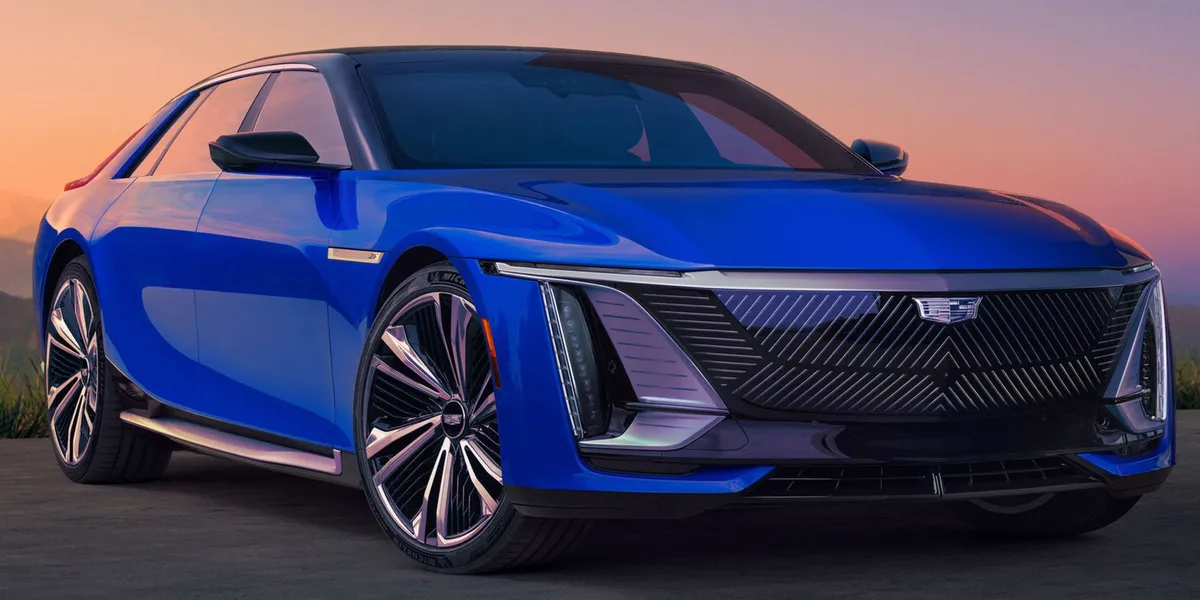
While the two-door variant of the Camaro is not entirely off the table, current efforts are concentrated on the four-door model. The feasibility of introducing a coupe version hinges on the next-generation Cadillac CT5, which could influence GM’s broader strategy. If a two-door model were to be green-lighted, it would likely require a convertible variant to meet rental car company demands, further complicating the decision-making process.
The shift towards a four-door model is emblematic of changing consumer preferences, as buyers increasingly seek practicality without sacrificing performance. The final name for the Camaro replacement remains under consideration, leaving enthusiasts and industry observers in suspense. Details remain unconfirmed, but the anticipation surrounding this new direction is palpable.
In the context of the competitive landscape, the Chevy Camaro replacement could address existing deficiencies in Chevrolet’s lineup. With the decline of two-door sports cars, GM’s pivot to a four-door model could be a strategic move to reclaim market share and appeal to a demographic that values versatility alongside performance.
The Alpha platform has previously supported performance variants like the ATS-V and CTS-V, indicating that the new Camaro replacement will not compromise on performance. However, the challenge will be to balance the expectations of traditional sports car enthusiasts with the demands of a broader consumer base.
As the automotive industry continues to evolve, the Chevy Camaro replacement stands at a crossroads. The decisions made in the coming months will not only shape the future of the Camaro brand but could also redefine the sports car segment as a whole. With the market dynamics shifting, GM’s approach will be closely watched by both competitors and consumers alike.