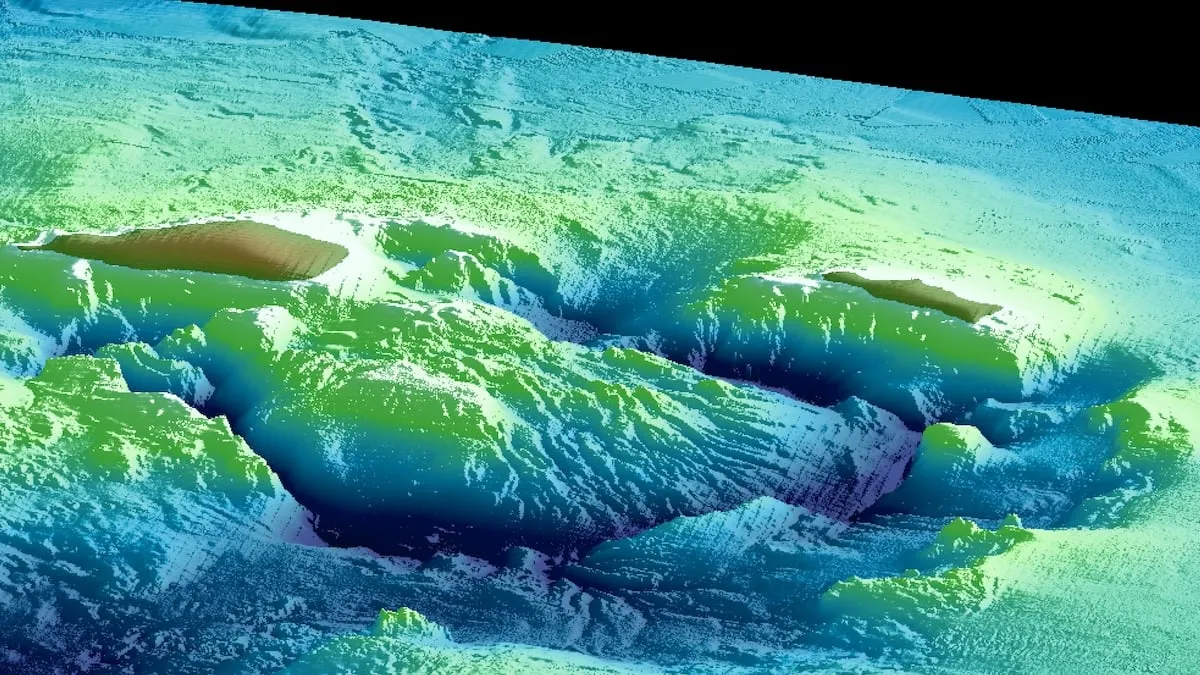
The Kikai Caldera, located off the coast of Japan’s Kyushu island, is a site of significant geological interest. It is known for the Akahoya eruption, which occurred approximately 7,300 years ago and is considered the largest known eruption of the Holocene. This catastrophic event is believed to have had devastating effects on the Jōmon people, who inhabited Japan during that era.
Recent studies indicate that the Kikai Caldera is currently refilling with magma, a development that could provide insights into potential future eruptions. Seama Nobukazu, a prominent volcanologist, emphasizes the importance of understanding how large quantities of magma accumulate, stating, “We must understand how such large quantities of magma can accumulate to understand how giant caldera eruptions occur.” This research is critical for predicting volcanic activity in the region.
In New Zealand, Whakaari/White Island has remained active since 1975 and erupted on December 9, 2019, resulting in 22 fatalities and numerous injuries. This tragic event underscores the dangers associated with living in proximity to active volcanoes, particularly those within the Ring of Fire.
Meanwhile, Kilauea in Hawaii has been a focal point of volcanic activity, with its most recent eruption occurring on April 9, 2026. This eruption produced 3.6 million cubic yards of lava, accompanied by ashfall warnings that affected nearby communities. Kilauea has a history of eruptions, having erupted dozens of times since 1952, with durations ranging from two weeks to over a year.
As volcanic activity continues to pose risks, experts are closely monitoring these sites. The magma re-injection model proposed by Nobukazu is consistent with the existence of large shallow magma reservoirs beneath other giant calderas, such as Yellowstone and Toba. This model could enhance understanding of volcanic behavior and eruption forecasting.
Observers note that large foam-like tephra, potentially up to the size of a football, may fall near the summit of Kilauea and extend several miles downwind during eruptions. Such phenomena highlight the unpredictable nature of volcanic eruptions and their potential impact on surrounding areas.
As scientists and local authorities continue to assess these developments, the focus remains on ensuring public safety and preparedness in the face of natural disasters. The interplay between geological research and community awareness is crucial in mitigating the risks associated with volcanoes.