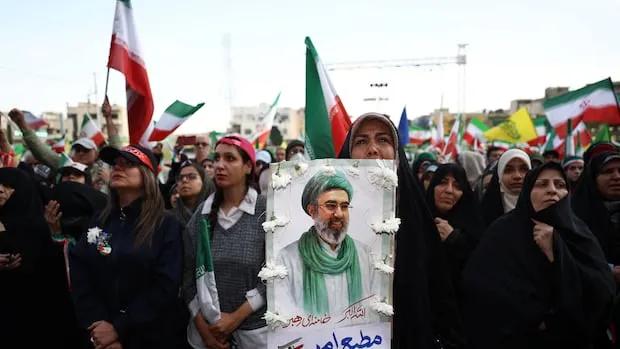
In a significant declaration, Iran’s Supreme Leader Mojtaba Khamenei asserted that Tehran will maintain control over the Strait of Hormuz, amidst rising tensions with the United States. This statement comes on April 30, 2026, as the U.S. has instituted a naval blockade aimed at crippling Iran’s oil exports.
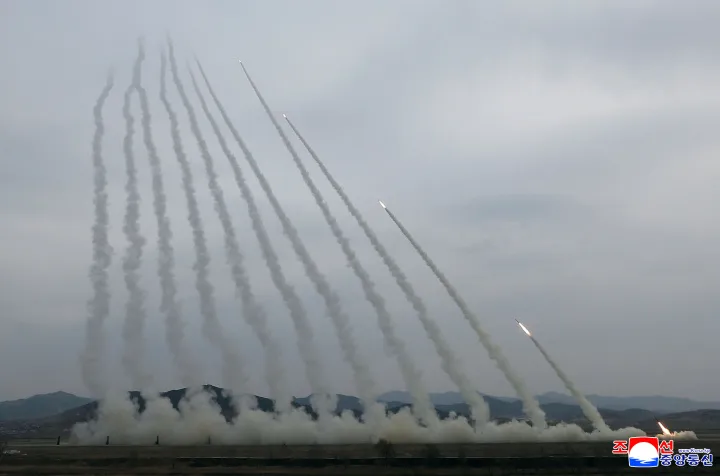
The situation escalated following threats from Iran to respond with “long and painful strikes” against U.S. positions if military actions resume. The closure of the Strait—a vital passage for 20% of the world’s oil and gas supplies—has already caused significant disruptions.
Global energy prices reflect this chaos, with Brent crude surging past $126 per barrel. Such price hikes are a direct consequence of the ongoing Middle East conflict, which has roots in prior U.S.-Israeli strikes against Iran.
Key facts:
- The Strait of Hormuz remains closed, affecting 20% of global oil and gas supplies.
- Iran holds approximately 440 kg of uranium enriched to 60 percent.
- The Pentagon estimates that the ongoing war with Iran costs nearly $25 billion.
- President Donald Trump is due to receive a briefing on potential military strikes against Iran.
Khamenei’s rhetoric underscores his commitment to countering what he describes as “the enemies’ abuses” of this strategic waterway. He emphasized that “foreigners who come from thousands of kilometers away have no place there except at the bottom of its waters.” This statement reflects a broader sentiment within Iranian leadership regarding foreign intervention.
Masoud Pezeshkian, an Iranian official, argued that any attempt by the U.S. to impose maritime restrictions is contrary to international law and is destined to fail. Meanwhile, Trump commented critically on Iran’s ability to negotiate a non-nuclear deal, stating they need to “get smart soon!” This ongoing dialogue reveals deep-seated mistrust between both nations.
As tensions simmer, António Guterres warned that “the longer this vital artery is choked, the harder it will be to reverse the damage.” The implications for global energy markets are profound—how long can these conditions persist before they reshape geopolitical alliances?