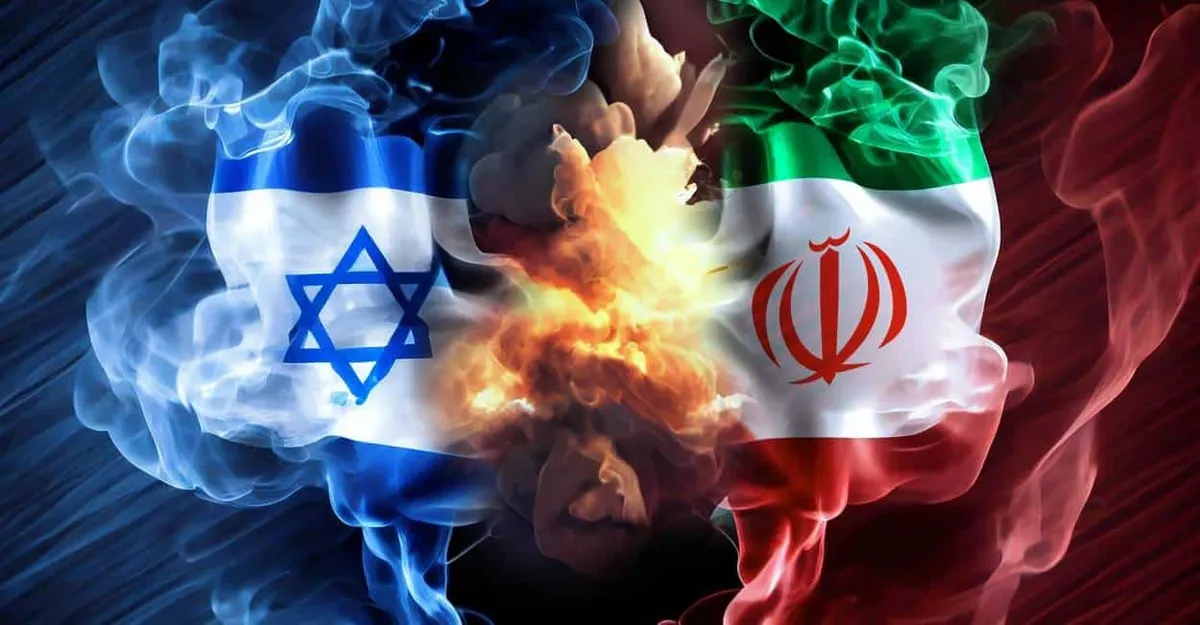
In a striking declaration, Iran’s Supreme Leader Mojtaba Khamenei has vowed to eliminate foreign presence in the Strait of Hormuz, a crucial passage that facilitates around 20% of the world’s oil and gas supplies. This announcement comes amid rising tensions with the United States, particularly following renewed discussions regarding military strikes and economic sanctions.
The situation escalated when Iranian officials threatened to respond with ‘long and painful strikes’ against U.S. positions if attacks are renewed. The Pentagon is reportedly preparing military options, indicating that this confrontation could lead to significant geopolitical ramifications.
Khamenei emphasized that foreigners have no rightful place in the Persian Gulf, stating, “Foreigners who come from thousands of kilometres away … have no place there except at the bottom of its waters.” This rhetoric underscores Iran’s commitment to asserting control over its territorial waters and regional influence.
In light of these developments, observers note that the U.S. has instituted a naval blockade aimed at restricting Iran’s oil exports. This blockade is not without consequences; it complicates ceasefire negotiations and threatens to drive energy prices higher globally.
Key facts surrounding this situation include:
- The Strait of Hormuz remains closed, choking off 20% of the world’s oil and gas supplies.
- Iran possesses approximately 440 kg of uranium enriched to 60 percent.
- The ongoing conflict with Iran is costing the U.S. nearly $25 billion.
Donald Trump has remarked that Iran “badly” wants a deal with the United States, suggesting a potential opening for dialogue despite the current hostilities. However, Khamenei’s statements signal an unwillingness to back down.
The main source of insecurity in the Middle East is often attributed to American forces’ presence, according to Khamenei. As tensions mount, the path forward may involve either heightened military engagement or renewed diplomatic efforts — both fraught with risks.