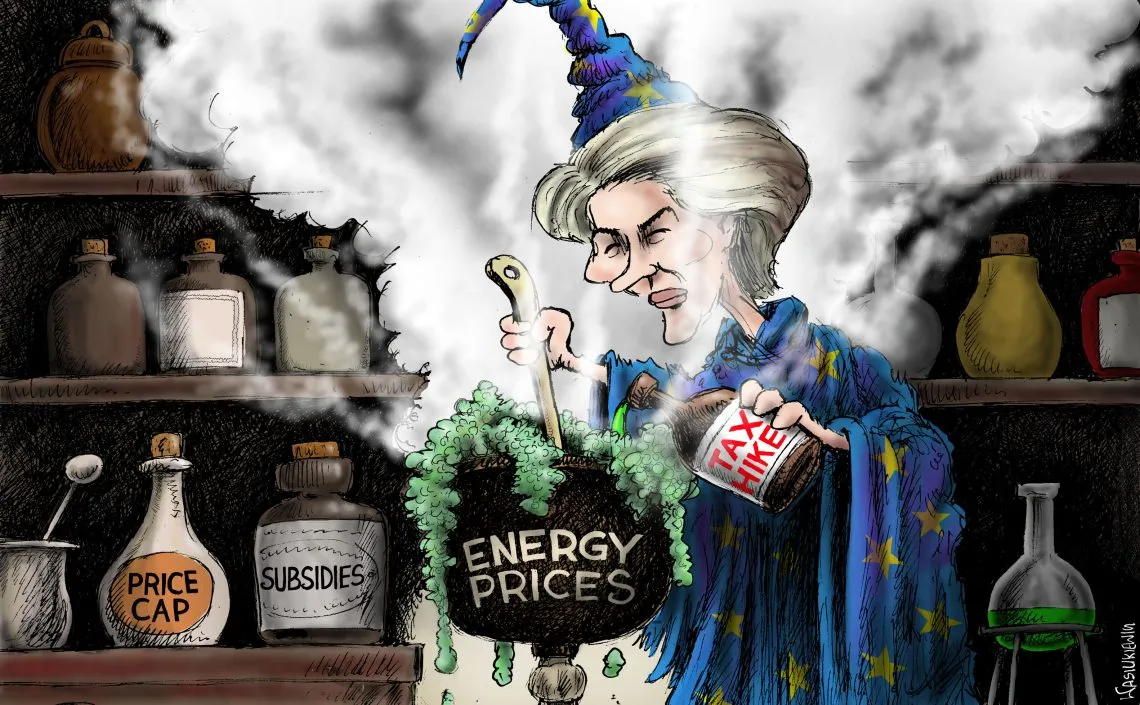
Energy Crisis: The Closure of the Strait of Hormuz Sparks Fears
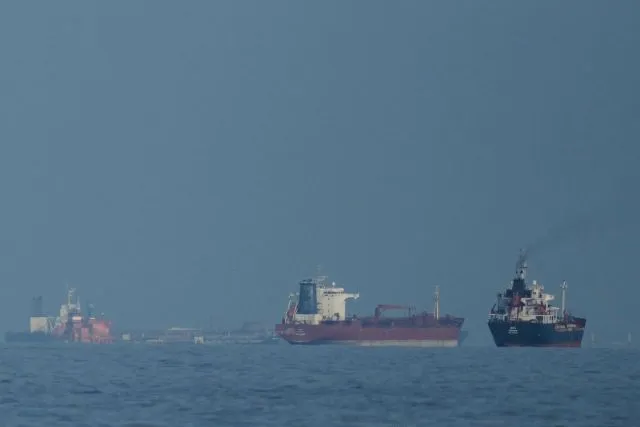
The closure of the Strait of Hormuz has led to significant disruptions in global oil and gas supplies, resulting in fears of a prolonged energy crisis in Europe.
The closure of the Strait of Hormuz has led to significant disruptions in global oil and gas supplies, resulting in fears of a prolonged energy crisis in Europe.
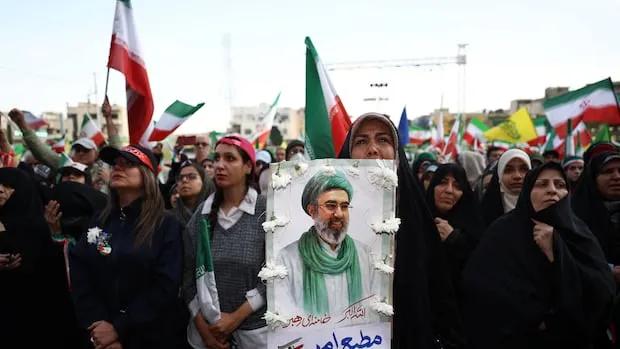
Iran’s Supreme Leader declares firm control over the Strait of Hormuz as tensions with the U.S. escalate, impacting global oil prices.
The U.S. military’s blockade of Iranian ports has sparked fierce rhetoric from Tehran, threatening regional security and impacting global oil prices.
The Israel-Iran war has escalated dramatically, with missile strikes and military actions intensifying the conflict. Key developments include U.S. troop deployments and Iranian missile attacks.
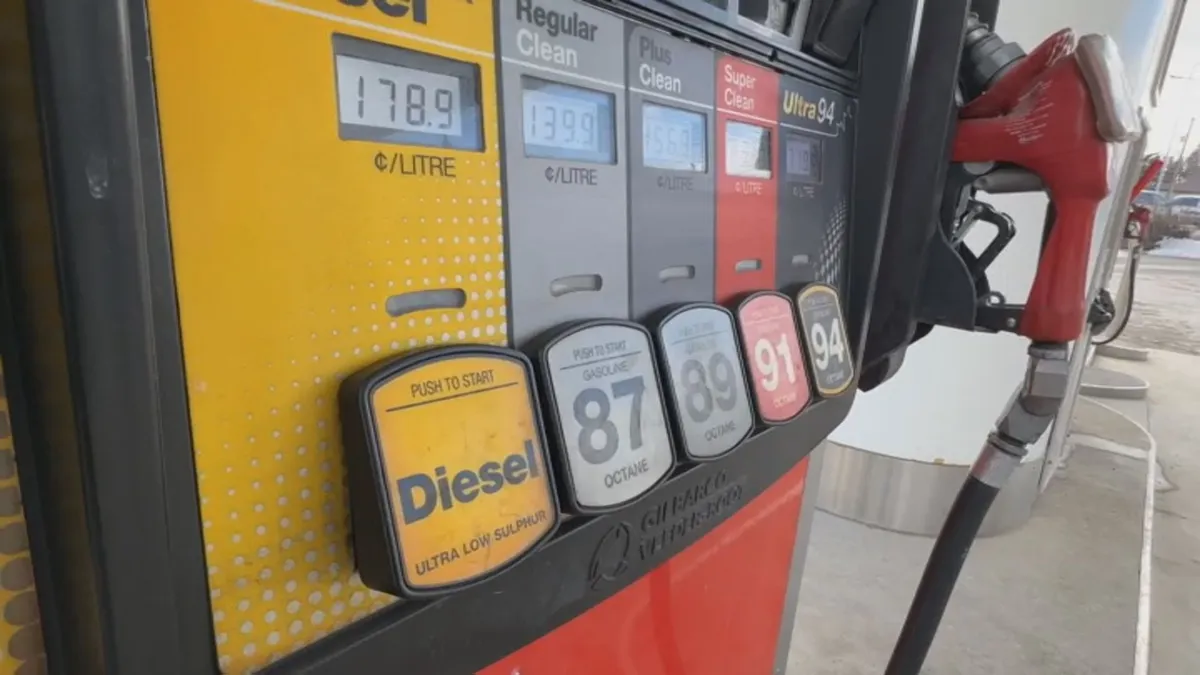
Gas prices are set to fluctuate tomorrow, with the national average nearing $4 per gallon. Regional disparities highlight the ongoing fuel cost crisis.
Oil prices have dropped significantly following secret talks between the U.S. and Iran, with local implications for fuel costs and student funding.
Gas prices are fluctuating dramatically due to ongoing conflicts in the Middle East, with significant implications for consumers.
The Dow Jones Industrial Average surged by 676 points today, driven by positive news from the Middle East and a drop in oil prices.
Tensions rise as Trump threatens Iran, leading to a significant drop in oil prices. Iran’s response complicates the situation further.
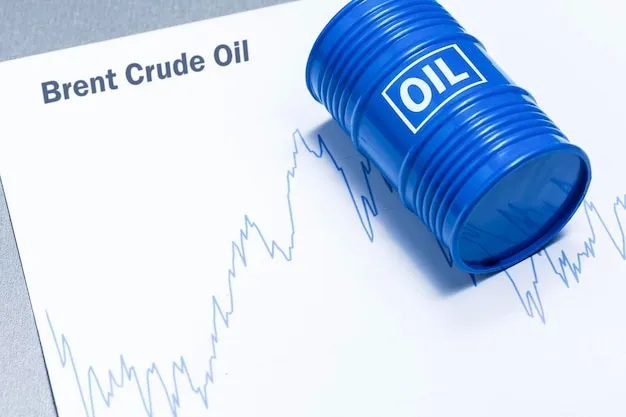
Recent Iranian attacks on energy infrastructure have caused the brent crude price to spike, briefly surpassing $119. Observers are watching closely as tensions escalate.