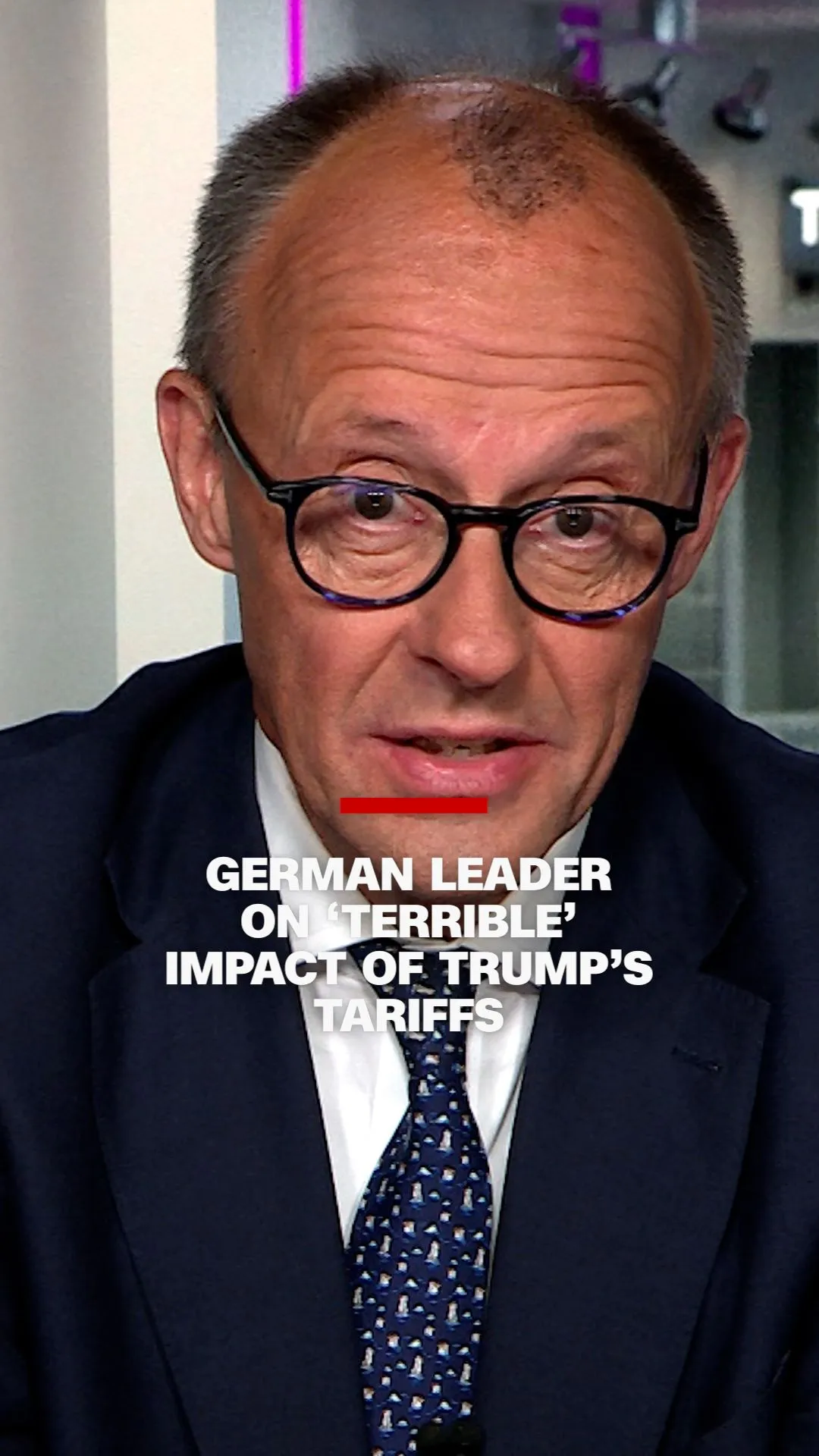
“The Chancellor of Germany should spend more time on ending the war with Russia/Ukraine (Where he has been totally ineffective!)” — Donald Trump. This statement encapsulates the escalating tensions between Trump and German Chancellor Friedrich Merz as they clash over foreign policy, particularly regarding Iran.
Trump’s remarks come amidst a backdrop of increasing criticism directed at Merz for his handling of international relations. The former president has suggested that instead of focusing on external conflicts, Merz should prioritize domestic issues like immigration and energy — areas where Trump’s supporters feel Germany has faltered.
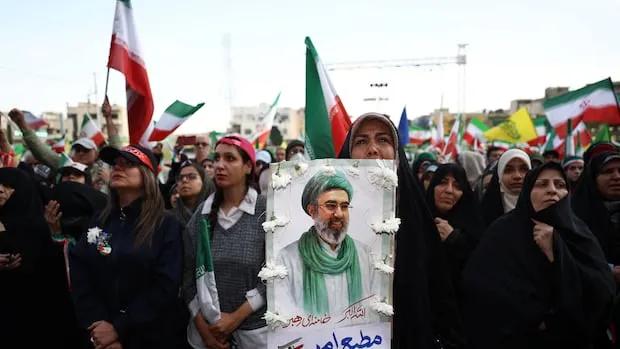
Merz, on the other hand, has pushed back against these critiques. He recently stated that the US is being “humiliated” by Iran, highlighting the delicate position of NATO cooperation in the face of global threats. His comments reflect a desire to maintain a strong transatlantic partnership, especially as tensions rise surrounding the Iran nuclear threat.
In response to mounting pressures, Trump hinted at a possible reduction of US troops stationed in Germany. Currently, between 36,000 and 39,000 US personnel are based there — a military presence that has long been a point of contention in discussions about NATO’s role in Europe.
German officials appear to be bracing for this potential shift. As noted by Johann Wadephul, “We are prepared for that.” This acknowledgment signals an understanding that the dynamics of US military support may be changing under Trump’s influence.
The ongoing Russia-Ukraine conflict adds another layer to this complex relationship. Trump’s criticisms seem to suggest that he views Merz’s leadership as ineffective not only in managing relations with Russia but also in addressing broader security concerns linked to NATO’s collective defense strategy.
As both leaders navigate these turbulent waters, their differing approaches to foreign policy will likely continue to shape US-Germany relations. The stakes are high — not just for their respective nations but for global stability as well.
With the next expected developments yet unclear, one thing remains certain: the dialogue between Trump and Merz will significantly impact how both countries address pressing international challenges moving forward.