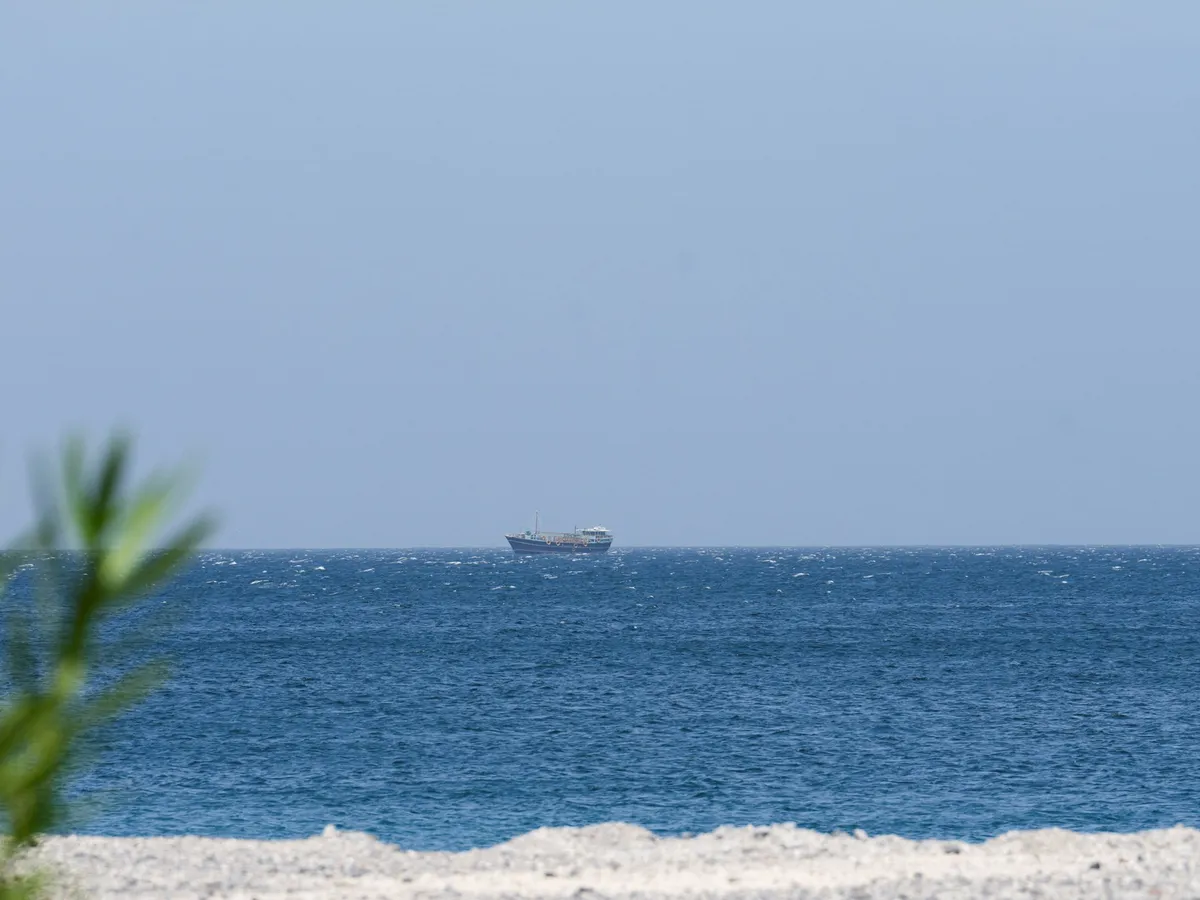
“The claim by the CENTCOM commander regarding the approach and entry of American vessels into the Strait of Hormuz is strongly denied,” stated an Iranian military spokesperson, reflecting the heightened tensions in this critical maritime corridor.
On April 11, 2026, two US naval ships, the USS Frank E Peterson and the USS Michael Murphy, transited the Strait of Hormuz to initiate mine-clearing operations. This move comes amid escalating hostilities, as Iran laid mines in the strait last month following the declaration of war by the US and Israel.
The Strait of Hormuz is a vital artery for global oil supplies, with approximately one-fifth of the world’s oil passing through it. The ongoing conflict has led to significant disruptions, with the closure of the strait causing fuel prices to soar and creating an energy crisis.
In response to the US operations, Iran’s military has vowed a strong reaction to any military vessels traversing the strait. “The initiative for the passage and movement of any vessel is in the hands of the Armed Forces of the Islamic Republic of Iran,” the spokesperson emphasized.
Negotiations between US and Iranian delegations are currently underway in Islamabad, focusing on the control of the Strait of Hormuz. However, the US has labeled continued Iranian control as a non-starter for any potential agreements.
Iran has also proposed levying tolls for passage through the strait as compensation for war damages, further complicating the discussions. The strait has remained largely closed to traffic, with Iran insisting that any ceasefire must also encompass Lebanon.
As the situation develops, Donald Trump remarked, “We’re now starting the process of clearing out the Strait of Hormuz as a favor to Countries all over the World,” indicating a broader geopolitical implication of the US actions.
Details remain unconfirmed regarding the exact number and location of mines laid by Iran, and the potential for further conflict looms large as both sides remain entrenched in their positions.
With six weeks of war having left Iran’s military capabilities degraded, the dynamics in the Strait of Hormuz are shifting, but the future remains uncertain. The next steps in this high-stakes negotiation will be closely watched by global markets and political analysts alike.