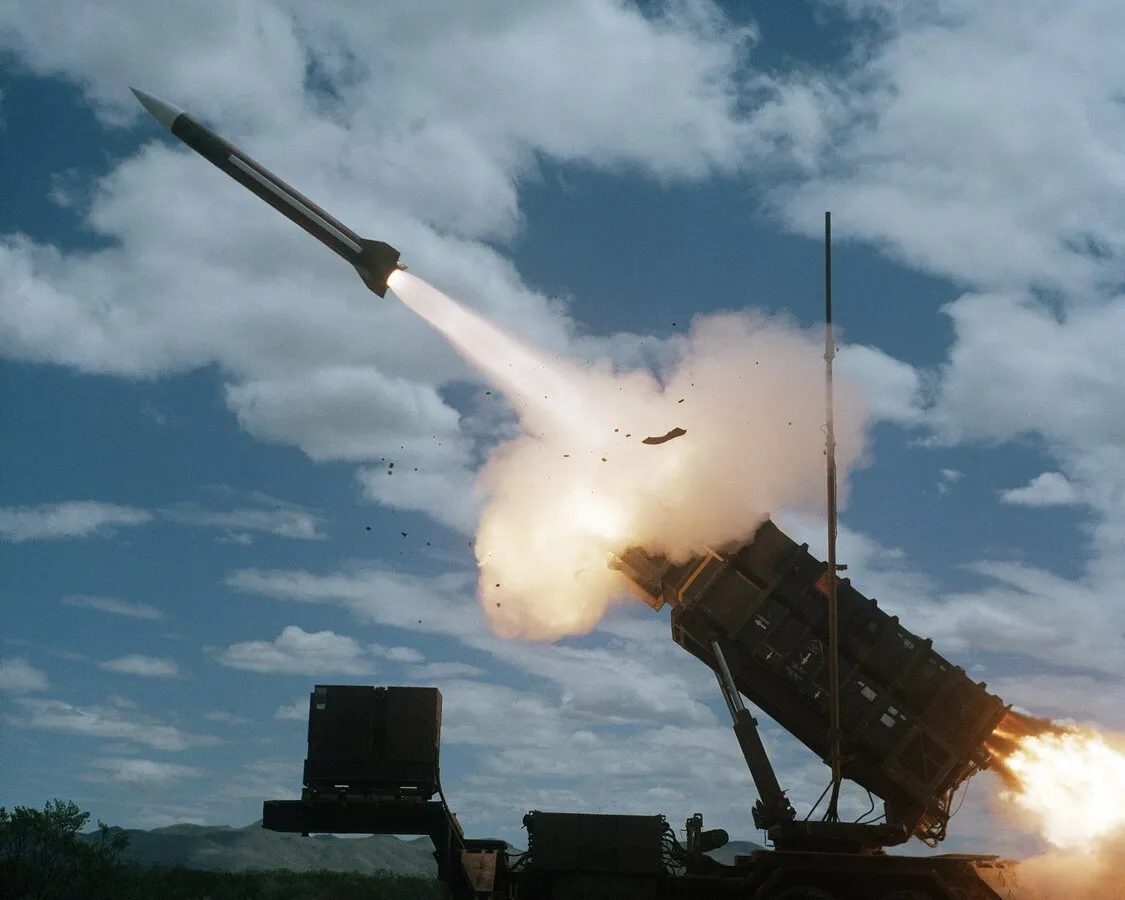
Gulf states have historically invested in advanced American missile defense systems to protect against Iranian threats. The Terminal High Altitude Area Defense (THAAD), developed by Lockheed Martin, was marketed as a reliable safeguard against these dangers. Yet, recent events have cast a long shadow over its perceived effectiveness.
In May 2025, the U.S. sealed a staggering $142 billion arms package for Saudi Arabia that included THAAD systems. This was a significant move, reflecting the ongoing tensions in the region. However, the reality on the ground has been less than reassuring.
Iran’s military capabilities are formidable—over 400 ballistic missiles and nearly 1,000 drones have targeted U.S. and allied assets in the Gulf. The THAAD system, meant to intercept such threats, has come under scrutiny after failing to defend successfully during actual attacks.
Reports indicate that THAAD radars were directly hit in Jordan, Saudi Arabia, and the UAE during Iranian strikes. What was sold as an ironclad shield has proven leaky at best. The Pentagon’s decision to relocate THAAD batteries from South Korea to the Middle East due to interceptor shortages suggests a troubling reality.
Moreover, Gulf states have invested approximately $142 billion in THAAD and Patriot systems—yet results remain elusive. The UAE’s decision to stop releasing detailed success percentages for interceptions after a noticeable decline raises eyebrows.
Marco Rubio pointedly noted, “Iran was producing over 100 of these missiles a month. Compare that to the six or seven interceptors that can be built a month.” This stark contrast highlights a significant imbalance in capabilities.
Further complicating matters, intact THAAD components were discovered in Syria—an unsettling revelation that raises uncomfortable questions about whether $142 billion in defense spending has genuinely improved regional security.
Saudi Arabia and Iran restored full diplomatic relations in March 2023 after years of proxy conflict. This shift complicates the narrative around military spending and defense strategies in the region. Observers are left wondering how these developments will impact future engagements.
The situation is fluid; details remain unconfirmed regarding the effectiveness of these systems moving forward. With Iran ramping up production of missiles and drones, one must question whether Gulf nations can rely on THAAD as their primary defense.