Anticipation Builds for World Cup Final
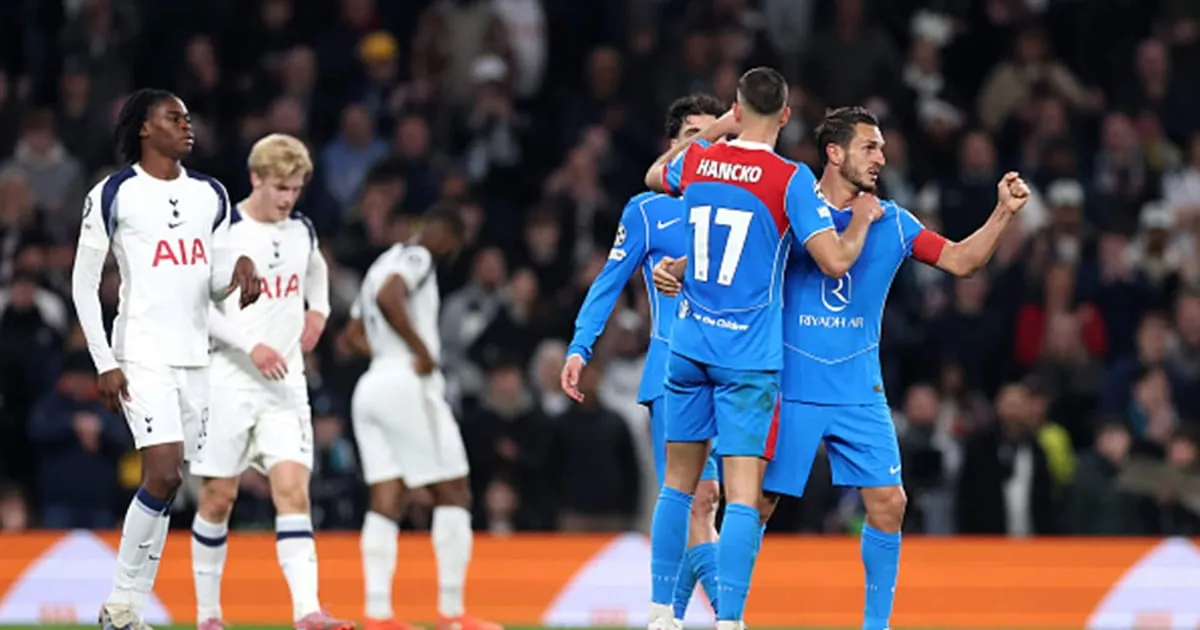
The 2026 World Cup final is set to feature a highly anticipated match between Argentina and Spain, marking the first time the champions of South America and Europe have met at this stage of the tournament. The two national teams are currently ranked first and second, respectively, in Fifa’s world ranking for men’s international teams. An Opta supercomputer had initially rated Luis de la Fuente’s Spain as favourites to win the tournament, with Argentina considered the fourth likeliest.
Both teams have demonstrated strong performances leading up to the final. Spain enters the match with an impressive unbeaten streak of 37 matches, excluding penalty shootouts. Argentina has also been in strong form, having won their past 14 games. This consistent performance from both sides provides a solid foundation for what is expected to be a competitive final.
Defensive and Offensive Strengths
Spain’s defensive record throughout the tournament has been particularly notable. They have conceded only 2.15 expected goals, averaging a miserly 0.31 per match. This level of defensive consistency across seven games is considered elite and is comfortably the best record in the tournament. To put this into perspective, five teams in the tournament allowed their opponents more than 2.15 expected goals in just their first match, and 41 teams had surpassed that mark by the end of the group stage.
While Argentina cannot match Spain’s defensive figures, they have maintained a close pace. Argentina was the last of the other 47 teams to concede more than 2.15 expected goals, which occurred when Yasser Ibrahim scored for Egypt in the last-16 match. This suggests that while Spain’s defence is exceptional, Argentina has also shown resilience.
On the offensive side, Lionel Messi has been a central figure for Argentina, taking the most shots of any player on either team with 34, including two penalties. Despite this, Lamine Yamal of Spain is second with 23 shots, and Mikel Oyarzabal, also from Spain, is third with 22 shots, including one penalty. While Yamal has been noted for shooting from less optimal positions, Oyarzabal boasts the best expected goals per shot average for either team among players with at least 10 shots, at 0.15.
Other players who could play a crucial role from the bench include Mikel Merino and Lautaro Martínez. Merino has a higher expected goals per shot figure of 0.35, and Martínez has 0.22. Both are adept at converting significant opportunities in key moments, suggesting that a substitute could prove decisive in a match between two similarly strong teams.

Tactical Approaches and Historical Context
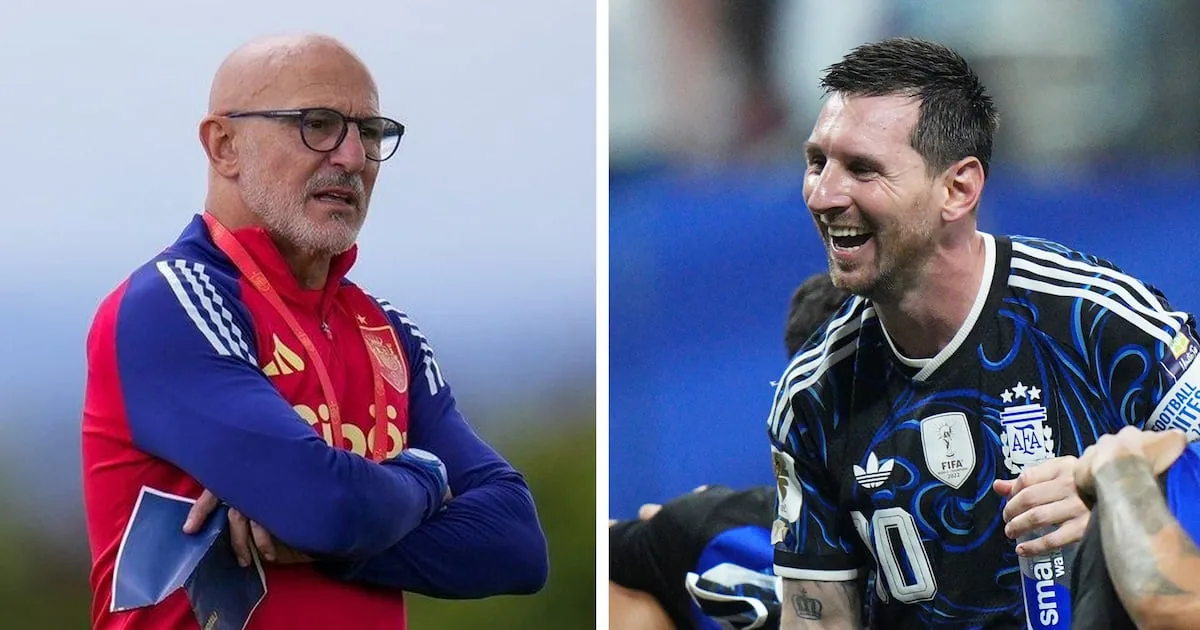
Spain’s coach, Luis de la Fuente, has indicated that his team plans to give “special attention” to Lionel Messi, but he has ruled out man-marking the Argentina captain. De la Fuente recalled a past experience from his time coaching Sevilla’s youth team, where man-marking Messi proved ineffective. In that instance, Messi scored four goals in 15 minutes after his marker was substituted due to a yellow card, despite the score being 0-0 at the 70th minute. This experience has led de la Fuente to believe that a more collective approach is necessary to contain Messi.
The final will also feature a personal dynamic between de la Fuente and his Argentina counterpart, Lionel Scaloni. The two formed a friendship in 2017 when de la Fuente was an instructor during Scaloni’s professional coaching licence course. De la Fuente has expressed admiration for the Argentina national team, highlighting their achievements including a World Cup, two Copa Americas, and the Finalissima.
The head-to-head record between Spain and Argentina is perfectly balanced, with six wins for each side and two draws. This historical parity adds another layer of intrigue to the upcoming final. The match is scheduled to kick off at 9pm on Sunday evening.
Read Also
Source: theguardian.com