World Cup final in New Jersey
The World Cup final is set to take place in New Jersey, featuring a match between Spain and Argentina. This event marks the first all-Spanish-speaking World Cup final since the inaugural tournament in 1930, when Uruguay defeated Argentina 4-2 in Montevideo.
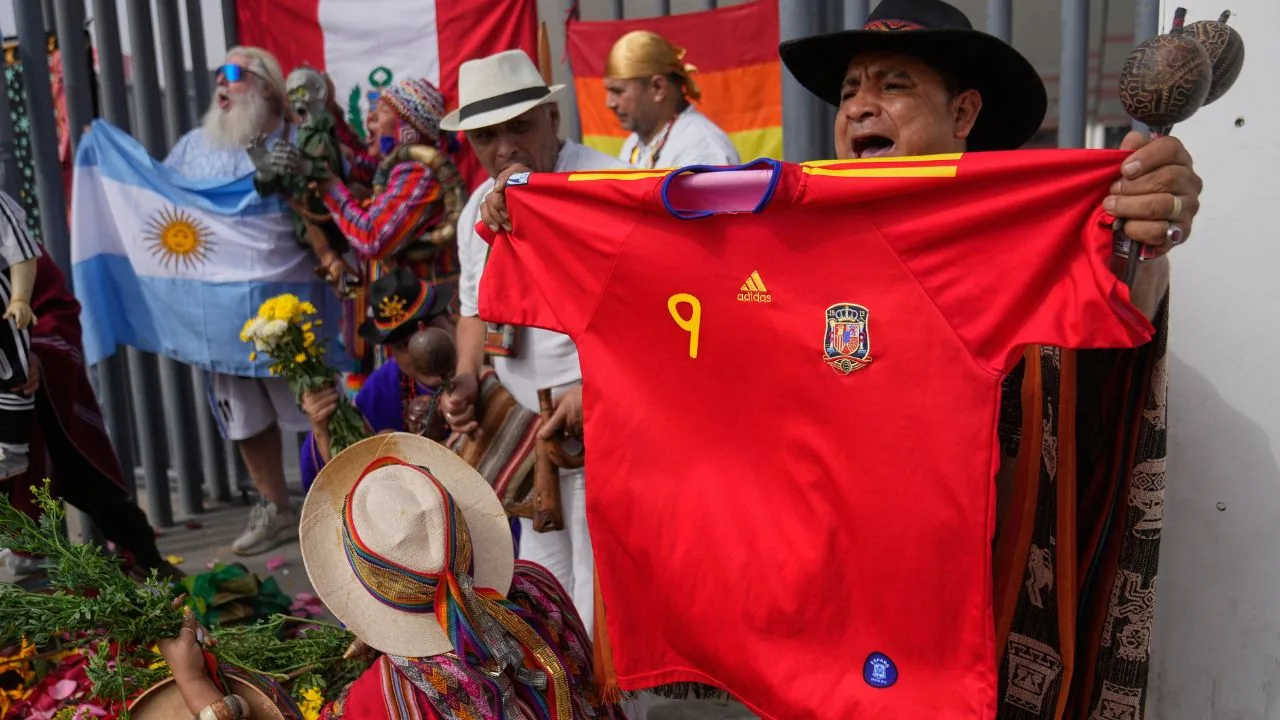
For many Argentines and Spaniards, the final presents a unique situation of divided loyalties. Individuals with ties to both nations are finding themselves at a crossroads, unsure whether to support La Furia (Spain) or La Albiceleste (Argentina).
The relationship between the two countries is deep-rooted, stemming from historical connections and cultural influences. Pedro de Mendoza, a Spaniard, founded Buenos Aires in the mid-16th century, and Spanish migration in the first half of the 20th century further strengthened these ties. Despite battles for independence, the cultural impact of the Iberian Peninsula on Argentina remained significant.
The sentiment of divided loyalty is evident among those who have lived in both countries. Juan Manuel Posada, a 75-year-old Spaniard who settled in Buenos Aires in 1968, described the situation as being “caught between a rock and a hard place.” He expressed his primary support for Spain but noted he would not be upset if Argentina won. Similarly, Manuel Fernández Acevedo, 81, who moved to Argentina from Baiona, Vigo, wished for the best team to win, accepting either outcome.
Media coverage and player focus
Media outlets are extensively covering the lead-up to the final. Marca is highlighting Spain’s desire for a second star, while Olé is referencing Argentina’s status as a two-time champion. AS is focusing on the trophy that Spain hopes to bring home.
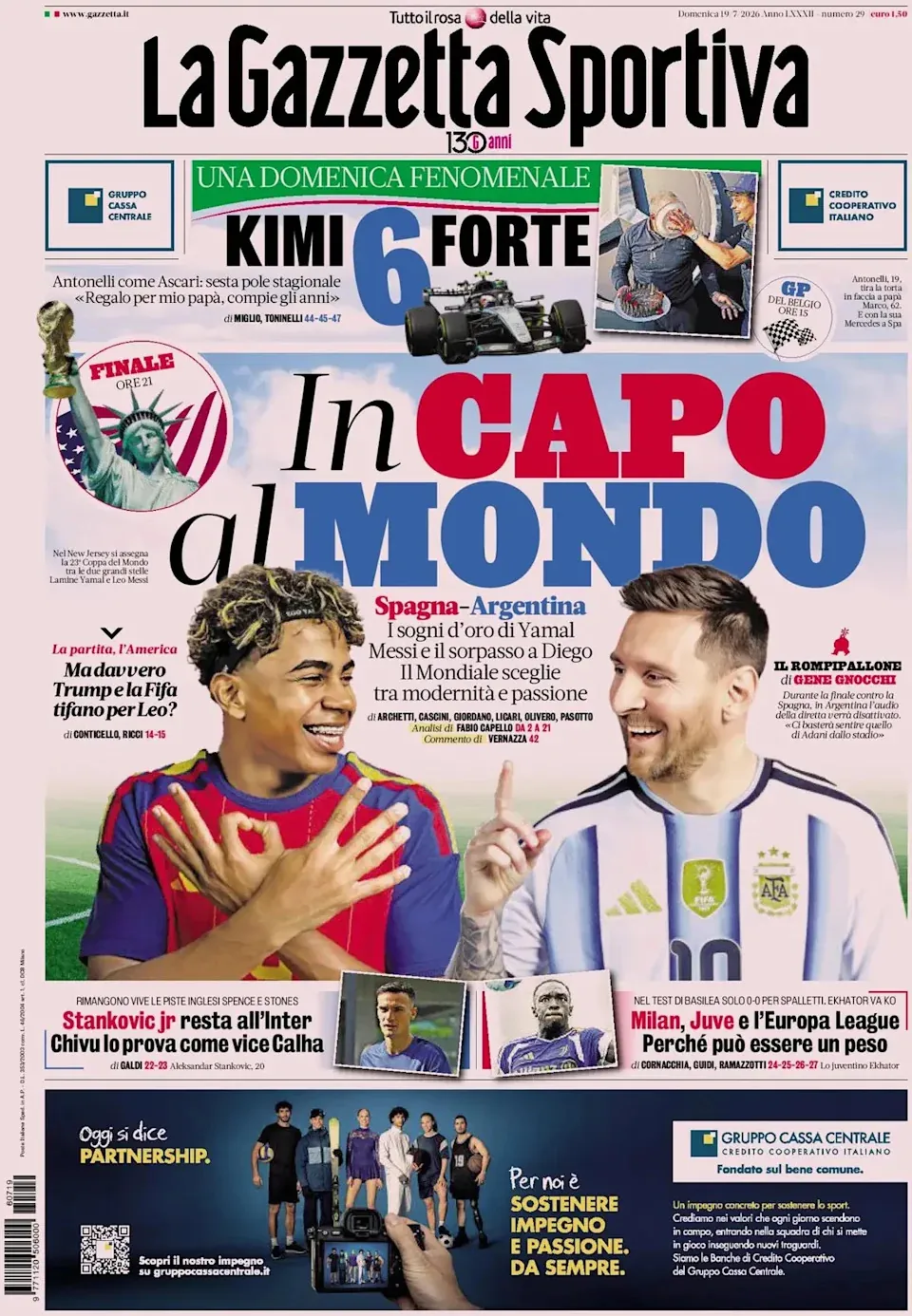
Some publications are emphasizing a generational shift in football. Gazzetta and Sport are drawing attention to the matchup between Lamine Yamal and Messi. Gazzetta even suggested that Yamal could surpass Maradona‘s statistics before reaching the age of twenty.
Sport has dubbed the match “Finalissima” and mentioned that Spain’s training session on Saturday was affected by a storm. Meanwhile, The Washington Post has highlighted Rodri and his 694 passes, underscoring his decisive role beyond being the most photographed player.
Closer to home, Super Deporte has focused on Ferran Torres and Grimaldo, noting that they could become the first Valencians to participate in a World Cup final. ABC has captured the prevailing sentiment in Spain, expressing a strong desire to win the trophy again, reminiscent of their victory in Johannesburg.
Argentines in Spain and social media
The final is also a significant event for the large number of Argentines residing in Spain. Following the military dictatorship from 1976-83 and subsequent economic crises in the 2000s, thousands of Argentines have moved to Spain. According to Spanish census figures from January 2025, 450,883 people born in Argentina were living in Spain.
For these individuals, the match is seen as a special occasion. Nahuel Barreta, 19, who has lived in Málaga for a year, views Spain as just another rival but with respect, acknowledging the shared brotherhood. He plans to watch the match at a downtown bar with friends, a common ritual for him.
Social media has reflected the unique dynamics of this final, with viral posts showing Argentine-Spanish couples humorously navigating their divided loyalties. These posts often depict temporary partings until after the match and the playful tactics used to encourage their children to support one of the finalists. The match is indeed shaping up to be a family affair for many.
The 1966 World Cup group stage saw the only previous encounter between Spain and Argentina, which resulted in a victory for La Albiceleste.
Read Also
Source: ca.sports.yahoo.com