UEFA’s Stance on Infantino’s Leadership
UEFA has stated that FIFA’s defence of its president, Gianni Infantino, has not altered its position regarding potential boycotts of competitions, including the World Cup. The European governing body reiterated its lack of confidence in Infantino, emphasizing that conditions for withdrawing its boycott threat have not been met. This follows FIFA’s acknowledgement of “mistakes” concerning a plan to sell stakes in its major tournaments.
The English FA previously withdrew its support for Infantino due to the proposed sale of stakes in the World Cup to private investors. UEFA had outlined two primary conditions for reconsidering its stance: the withdrawal of proposals to sell off major competitions and assurances that such attempts to “disfigure the game” would not be made again. According to UEFA, these conditions remain unfulfilled.
Crisis Meeting and Internal Reactions
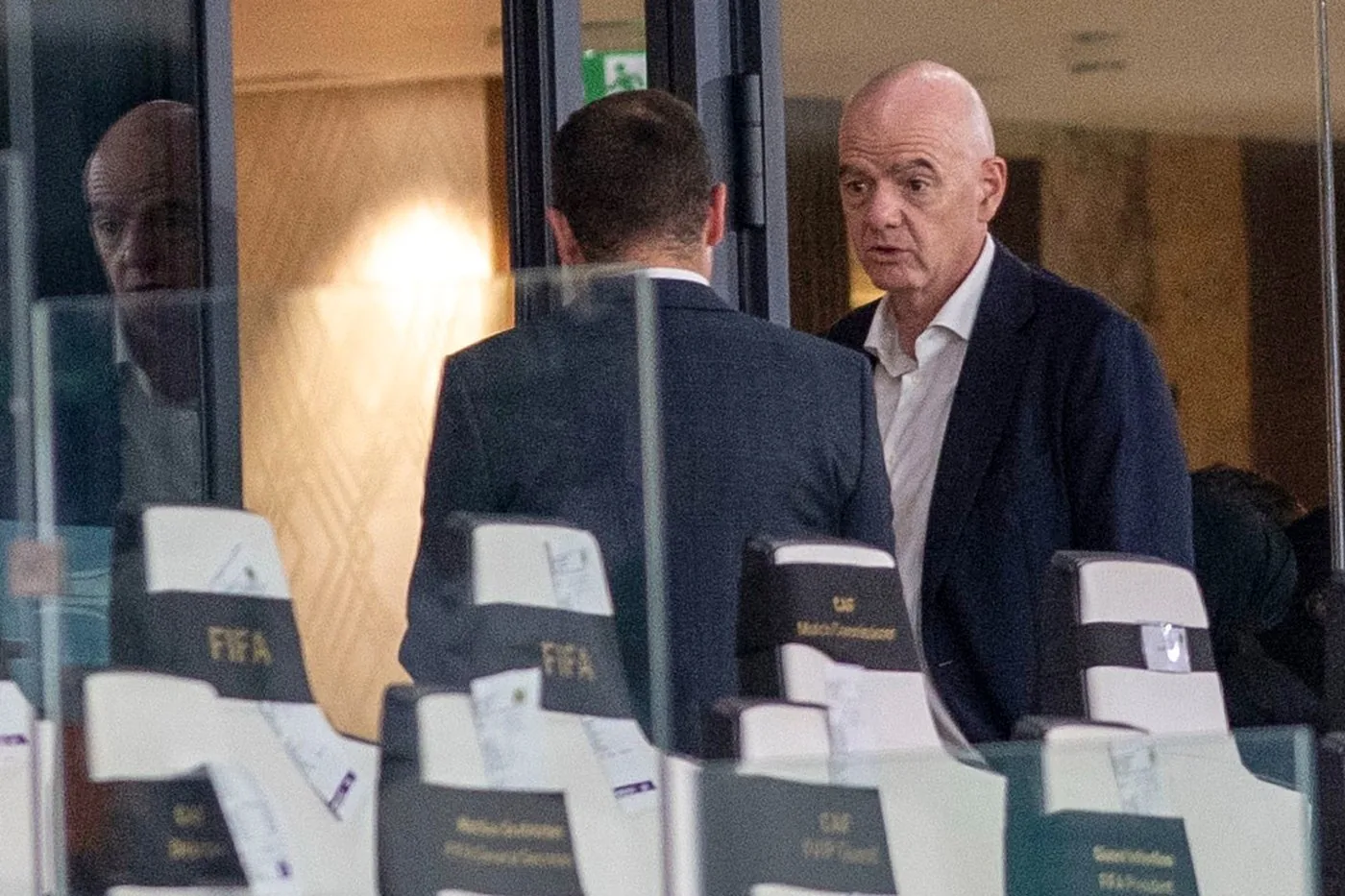
Gianni Infantino held a meeting with members of the FIFA management board in Rabat, Morocco, to address recent events. Despite this, UEFA views the meeting as a gathering of employees whose careers are dependent on Infantino’s favour, suggesting it changes nothing regarding their lack of confidence in his presidency. FIFA acknowledged that its council and member associations might have felt excluded from the process related to the FIFA Forward Enterprise (FFE) proposal and that the process should have been handled differently.
An internal memo from Secretary General Mattias Grafstrom had described the FFE proposals as a “sad and reproachable series of events.” However, after the meeting, Infantino and Grafstrom were pictured together, appearing to have resolved any internal disagreements. Other attendees at the meeting included finance chief Thomas Peyer, legal chief Emilio Garcia Silvero, chief of staff Daniel O’Toole, chief of member associations Elkhan Mammadov, and media relations director Bryan Swanson.
Notably, FIFA’s chief operating officer, Kevin Lamour, who had strongly criticized the FFE plan as “the project of one person,” was reportedly not invited to the meeting. Lamour had previously stated that “the time has now come for football’s political leaders to ask themselves the right questions and make the right decisions.”
Challenges to Infantino’s Leadership
UEFA is seeking accountability for the controversy surrounding the FFE proposal, including questions about who was involved, whether a competitive tender process occurred, and if Infantino stood to benefit personally. While FIFA stated that “mistakes made were acknowledged” and an “apology was made,” UEFA believes there has been no direct accountability.
The option of a boycott remains a key asset for UEFA in its efforts to challenge Infantino’s leadership. However, securing enough support to force an emergency meeting of the FIFA Council or to pass a vote of no confidence has proven difficult. Only Jordan has publicly stated it will not vote for Infantino’s re-election in March, while other confederations like Concacaf and Conmebol have not gone as far as UEFA in expressing a lack of confidence.
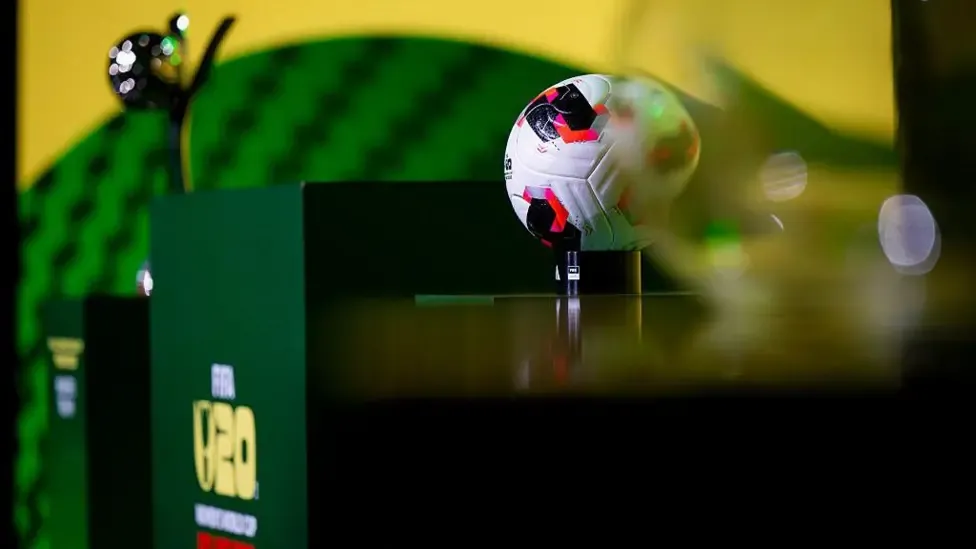
The feeling within UEFA is that Infantino is attempting to avoid personal responsibility for the aborted proposals and that he alone should have apologized. The situation is expected to be tested with the upcoming FIFA Women’s U20s World Cup, which begins on 5 September in Poland, with six European countries, including England, scheduled to participate.
Source: bbc.com