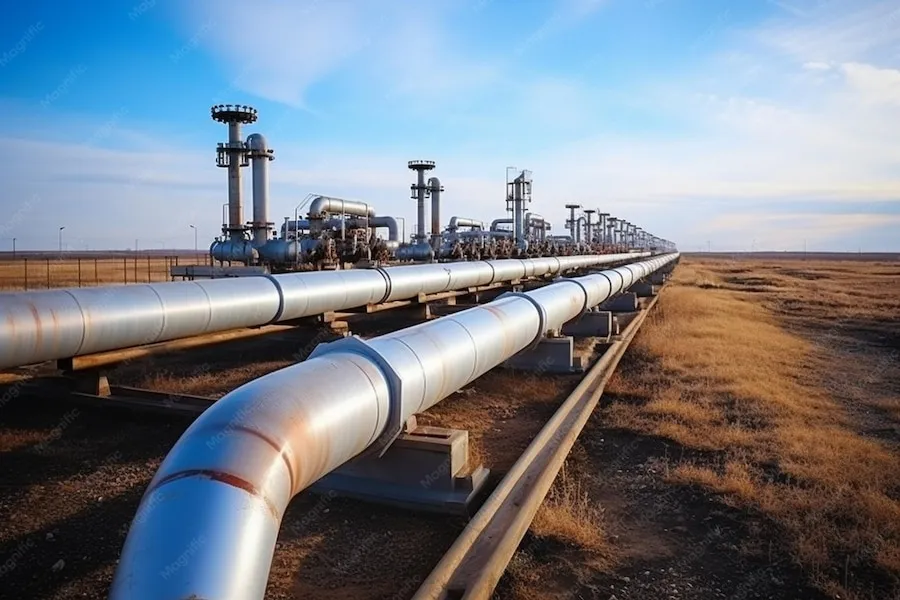
The Bridger Pipeline expansion, dubbed ‘Keystone Light’, revives parts of the controversial Keystone XL project amid ongoing environmental concerns. Scheduled to commence in 2026, this pipeline aims to transport over half a million barrels of crude oil daily from Alberta to U.S. refineries.
U.S. President Donald Trump authorized the expansion, signaling a shift in energy policy that echoes the previous administration’s struggles with Keystone XL. This new venture is a joint effort between Calgary-based South Bow and U.S.-based Bridger—both companies eager to capitalize on North America’s energy demands.
Key facts about the Bridger Pipeline:
- The pipeline will deliver more than 550,000 barrels per day of Alberta oil.
- It spans 1,050 kilometres and will operate primarily within existing pipeline corridors.
- Over 70% of its construction will occur on private land.
- The project could increase Canada’s crude exports to the U.S. by more than 12%.
Despite its potential economic benefits, environmentalists voice strong opposition. Concerns revolve around the risk of spills—Bridger Pipeline has a history of significant accidents, including a 240,000-litre spill into the Yellowstone River and another incident releasing 2.7 million litres in North Dakota.
Danielle Smith remarked, “The U.S. is our most important trading partner and we will continue to deliver energy to help secure North American energy dominance.” Yet, the project still requires additional state and federal environmental approvals before construction can begin.
The timeline for construction remains uncertain; no specific dates have been shared yet. Moreover, potential court challenges could further delay progress as opponents rally against what they perceive as an environmental threat.