Reaction from the field
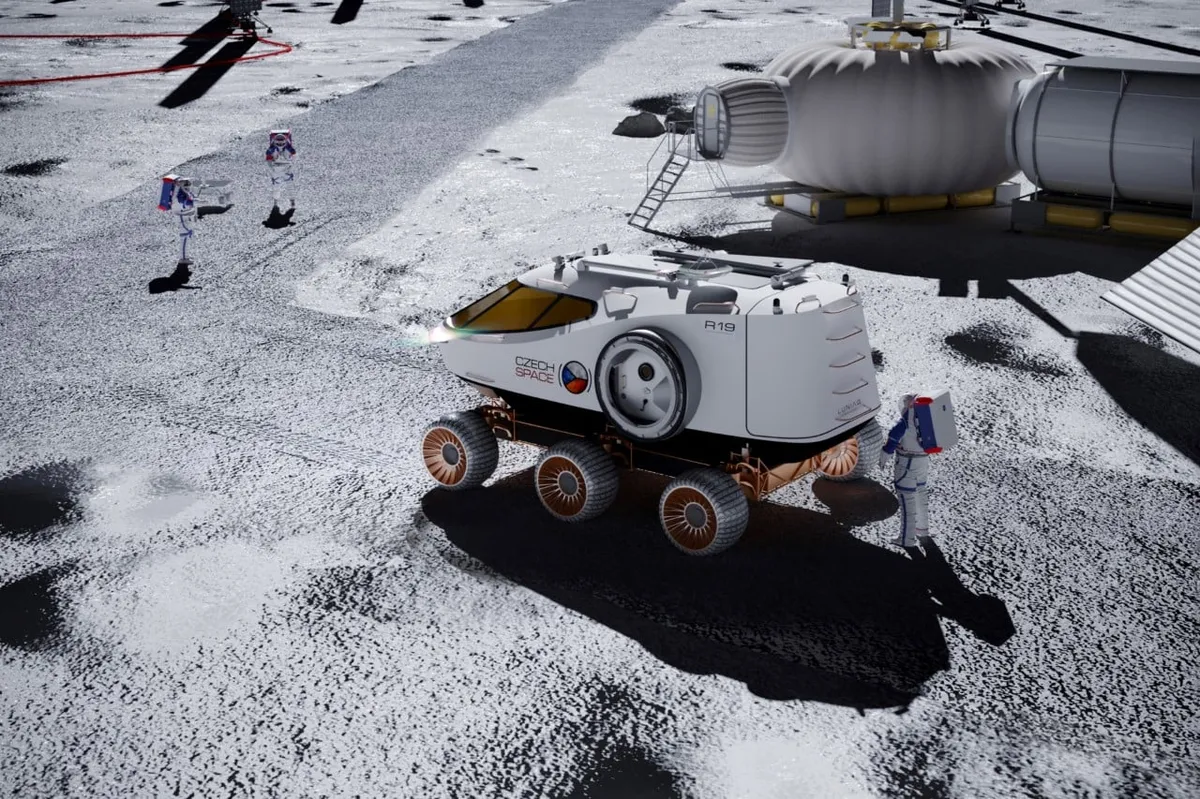
The establishment of a NASA Moon base represents a monumental leap in humanity’s quest for sustained presence beyond Earth. With an investment of approximately $30 billion over the next decade, NASA aims to create a lunar outpost that will serve as a hub for exploration and research. This ambitious project is not just about reaching the Moon; it is about laying the groundwork for future human endeavors in space.
The Moon base initiative is structured into three distinct phases. Phase 1, commencing in 2026 and concluding in 2028, focuses on achieving reliable access to the lunar surface, highlighted by the first crewed Moon landing under the Artemis program. This phase is crucial as it sets the stage for subsequent operations and infrastructure development.
Following this, Phase 2 will run from 2029 to 2032, concentrating on establishing essential infrastructure, including power and communication systems necessary for a sustainable Moon base. The final phase, spanning from 2033 to 2036, aims to transition to a permanent base capable of supporting long-duration human missions. This structured approach ensures that each step builds on the successes of the previous one, minimizing risks and maximizing the potential for scientific discovery.
By 2028, NASA plans to conduct 25 launches and 21 landings, delivering approximately 4,000 kilograms of equipment and supplies to the lunar surface. This logistical effort is supported by a constellation of satellites and cameras that will provide live coverage of launches and surface operations, ensuring transparency and engagement with the public.
NASA’s commitment to innovation is evident in its plans to utilize lunar drones and rovers for exploration and site preparation, further enhancing the efficiency of operations on the Moon. As Carlos Garcia-Galan stated, “Every asset, every kilogram, all the lunar exploration resources that we have are going to be focused on one thing, and that is to build the Moon base.” This focus underscores the strategic importance of the Moon base in NASA’s broader vision for space exploration.
The Artemis 2 mission, scheduled for April 1, 2026, will serve as a critical test for systems intended for future crewed missions. As NASA gears up for this mission, the collaboration with private sector entities like SpaceX and Blue Origin is expected to play a pivotal role in achieving the ambitious timelines set forth. Jared Isaacman, a key figure in the commercial space sector, emphasized the need for accountability, stating, “We are not going to sit idly by when schedules slip or budgets are exceeded.”
While the plans are ambitious and well-structured, uncertainties remain regarding the execution of these phases and the overall budget management. As the project progresses, stakeholders will be closely monitoring developments to ensure that the goals are met without significant delays or financial overruns. Details remain unconfirmed.
In summary, NASA’s Moon base project is poised to redefine humanity’s relationship with the Moon. By establishing a continued human presence by 2032, akin to that on the International Space Station, NASA is not only paving the way for lunar exploration but also setting the stage for future missions to Mars and beyond. The next decade promises to be a transformative period in space exploration, with the Moon as a focal point of human activity in the cosmos.