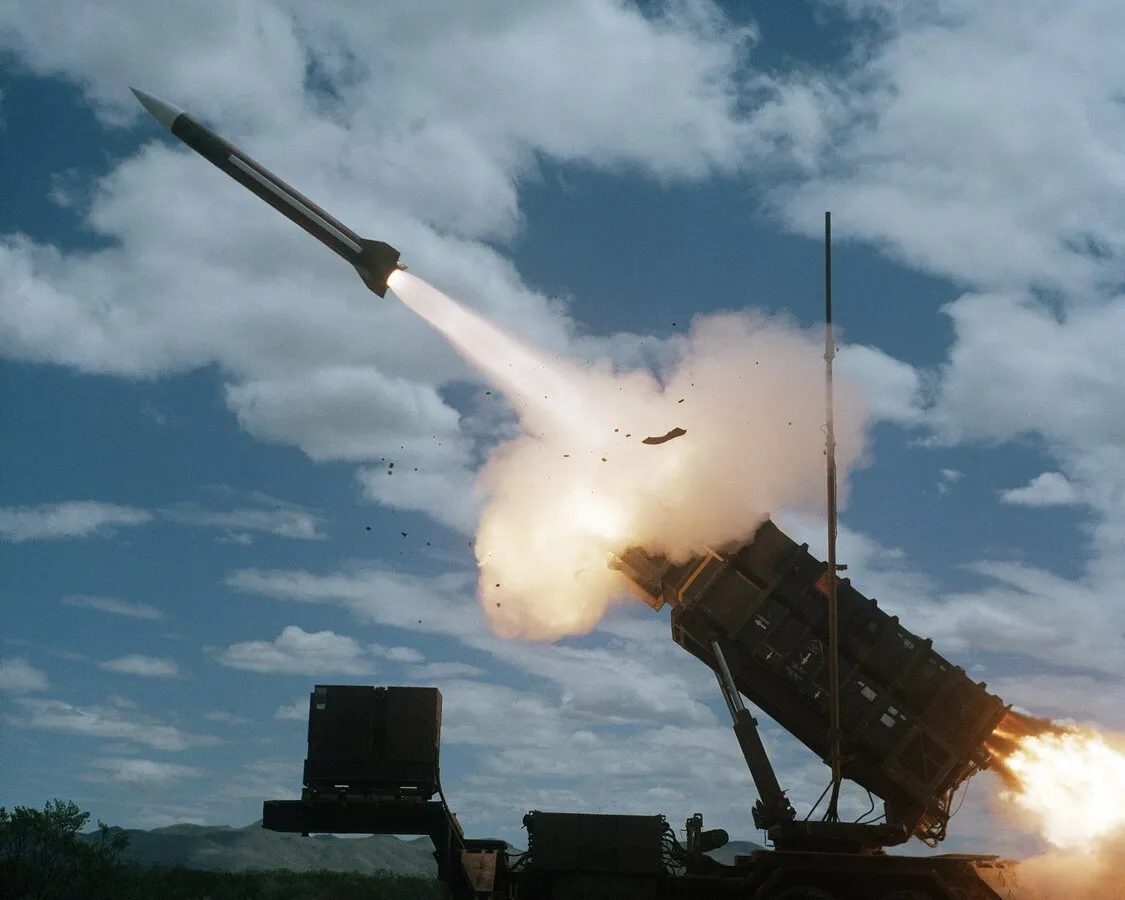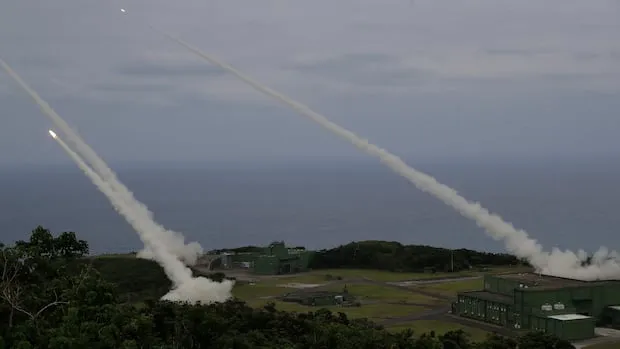
Canada is quietly locked into a HIMARS deal without any formal announcement, raising questions about military procurement transparency. The deal comes amid ongoing efforts to modernize the Canadian Armed Forces.
In October of last year, the U.S. State Department approved Canada’s potential purchase of HIMARS systems. This approval was pivotal, as it set the stage for a significant investment in long-range precision strike capabilities.
Fast forward to recent developments: the Pentagon announced a $1.1 billion contract with Lockheed Martin to manufacture M142 HIMARS for several allied countries, including Canada. Under this agreement, a total of 17 HIMARS units will be produced by April 2028.
Interestingly, Canada had initially expressed interest in acquiring 26 HIMARS systems in total — an indication of its strategic military ambitions. The estimated cost for this deal is around $2.4 billion, which underscores the financial commitment involved in enhancing defense capabilities.
The Canadian Army commander has emphasized that the HIMARS systems are essential for defending troops stationed in Latvia and for overall military modernization efforts. Lt.-Gen. Mike Wright stated, “The HIMARS system is the long-range precision strike system that we need for land operations.” This highlights the urgent need for such technology in contemporary military engagements.
Moreover, Canada’s decision aligns with broader trends among its allies. For instance, Australia recently opted for a PrSM-HIMARS combination to bolster maritime strike capabilities. Estonia and Sweden have also made similar moves — Estonia ordered three more HIMARS while Sweden’s request for 20 units was approved earlier this year.
However, uncertainties linger regarding the exact number of units that will be delivered to the Canadian Armed Forces. Officials have not disclosed any potential delivery timeline either, leaving many questions unanswered.
The implications of this sequence of events are significant not just for Canada but also for its allies who are also modernizing their military arsenals. The acquisition of HIMARS could enhance collaborative defense strategies among nations facing similar security challenges.