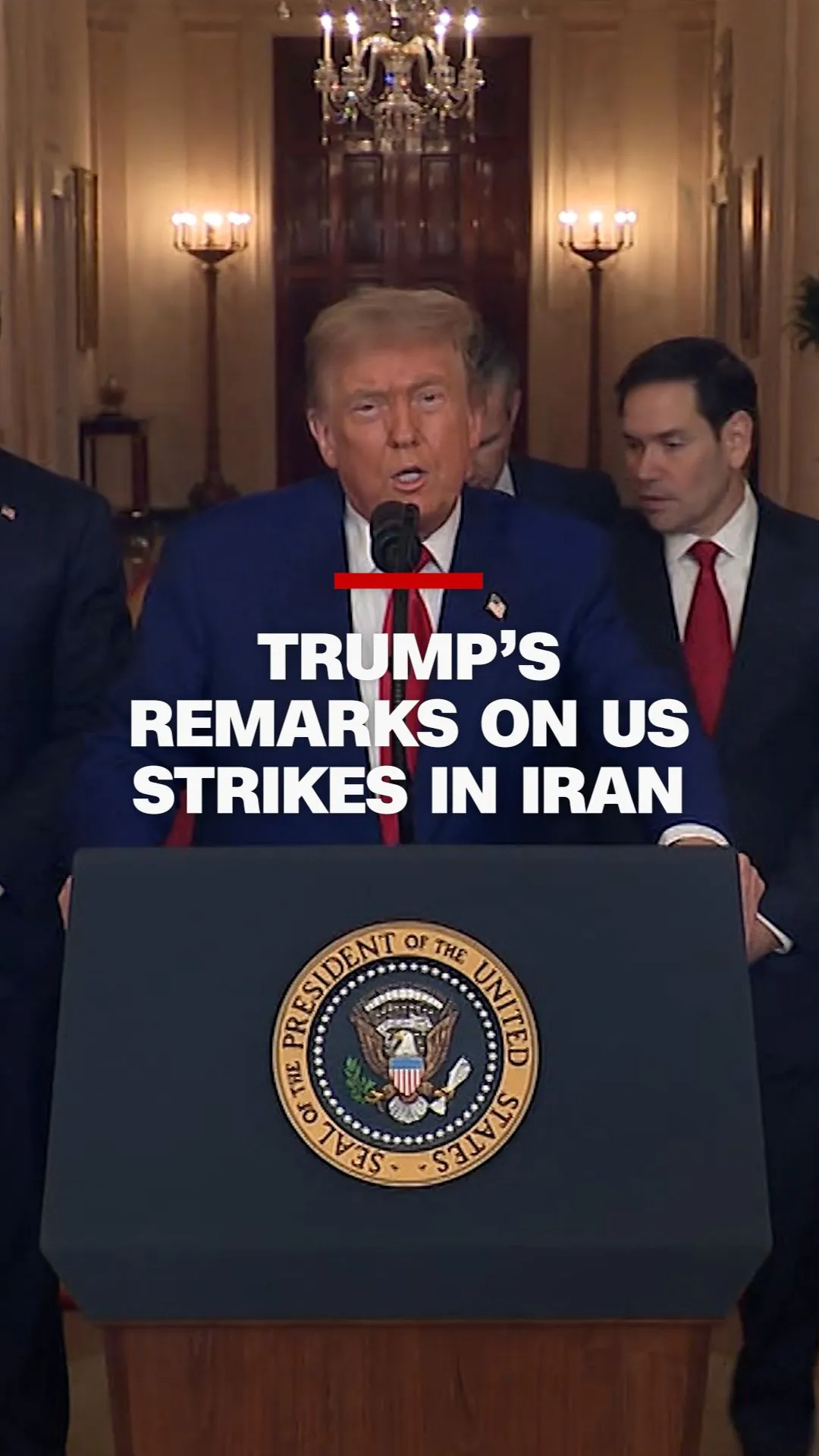
Trump’s comments about the U.S. Navy acting ‘like pirates’ highlight escalating tensions in the ongoing conflict with Iran, particularly in the Strait of Hormuz. This situation raises critical questions about U.S. military strategy and diplomatic relations.
The U.S. has invested an estimated $25 billion in this conflict, a staggering figure that underscores the stakes involved. The May 1 deadline for Congress to intervene in the war passed without action, leaving many to wonder what comes next.
The backdrop is complex: the conflict began when the U.S. and Israel launched strikes on Iran, claiming it was necessary to halt its development of nuclear weapons. Now, with U.S. troops being withdrawn from Germany and a blockade of Iranian ports underway, tensions are palpable.
Key facts:
- The U.S. Navy is actively blockading Iranian ports.
- Trump rejected Iran’s latest proposal to end the war.
- The U.S. warned shipping companies against paying Iran for safe passage through the Strait of Hormuz.
As Trump stated, ‘They want to make a deal, I’m not satisfied with it, so we’ll see what happens.’ His rhetoric reflects a tough stance that may further alienate NATO allies, especially given his accusations that the EU has not complied with its trade agreements.
Iran remains defiant, maintaining control over the Strait of Hormuz—where approximately 25% of global oil trade passes—despite a ceasefire agreement. This situation complicates any potential diplomatic resolutions.
Senators like Susan Collins emphasize that ‘the president’s authority as commander-in-chief is not without limits.’ As such, there are growing calls for decision-making from both the administration and Congress on how to proceed.
The uncertainty looms large: What will be the repercussions of continued military engagement? Will diplomatic channels open up again? For now, all eyes remain on this volatile region as military and political maneuvers unfold.