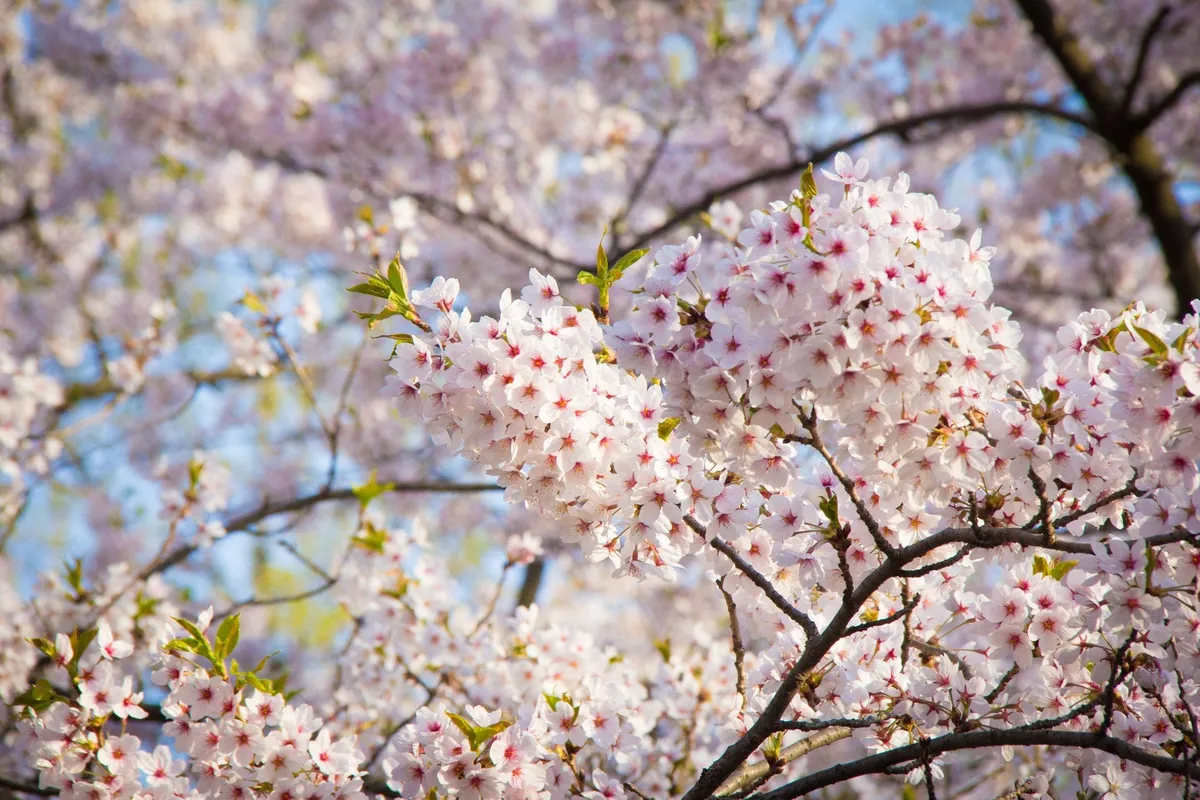
Toronto’s cherry blossoms are set to peak on May 1, 2026, attracting tens of thousands of visitors. This shift in timing has experts urging the public to embrace proper cherry blossom etiquette.
In recent years, the expectation was a more stable bloom period. However, this year’s forecast suggests an earlier peak, with 70% of blossoms expected to be open at the height of the season. This change is significant—especially for those planning visits to High Park.
The impact on visitors will be profound. High Park, home to over 1,500 cherry trees, will likely see increased foot traffic. Experts warn that vehicle access will be restricted during peak bloom due to heavy crowds.
Rohith Rao from the High Park Nature Centre emphasizes the collective responsibility of visitors: “It’s not just one person doing it. Imagine the hundreds and hundreds of thousands of visitors who come to High Park during cherry blossom season.” The influx can lead to ecological stress on these cherished trees if not managed properly.
Cherry blossom viewing—known as sakura viewing in Japan—celebrates the fleeting beauty of these blooms. The lifespan of sakura trees typically ranges from 30 to 40 years, but can be extended with care. Thus, understanding how to appreciate them respectfully is crucial.
Experts stress that “trees are living beings,” and maintaining distance is vital for their health. As Rui Umezawa noted, “Sakura really is the mark of spring, and that’s why it’s appreciated… They bloom for a very short period of time.”
The typical window for peak bloom lasts approximately 4–10 days, depending on weather conditions. After May 5, petals begin to fall, creating a picturesque ‘sakura snow’ effect across the park.
This year’s earlier bloom invites both excitement and caution. Visitors should remember: enjoy the beauty but also protect it. Just stand in front of the trees, stand a bit away from the blossoms—have the trees in the background. They look beautiful that way.