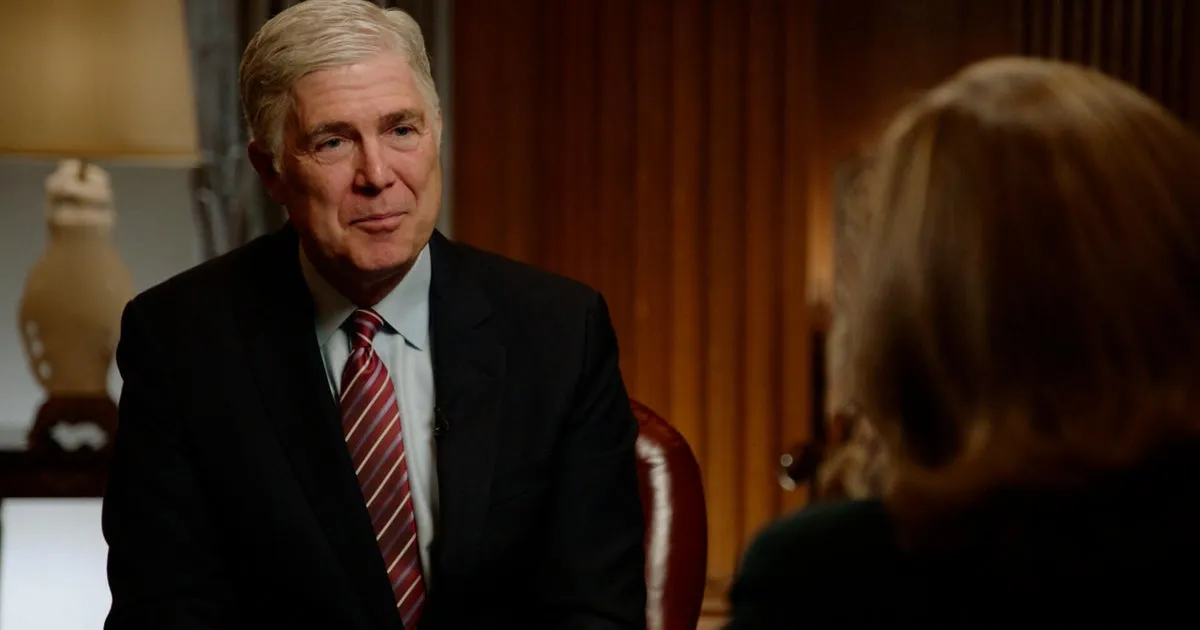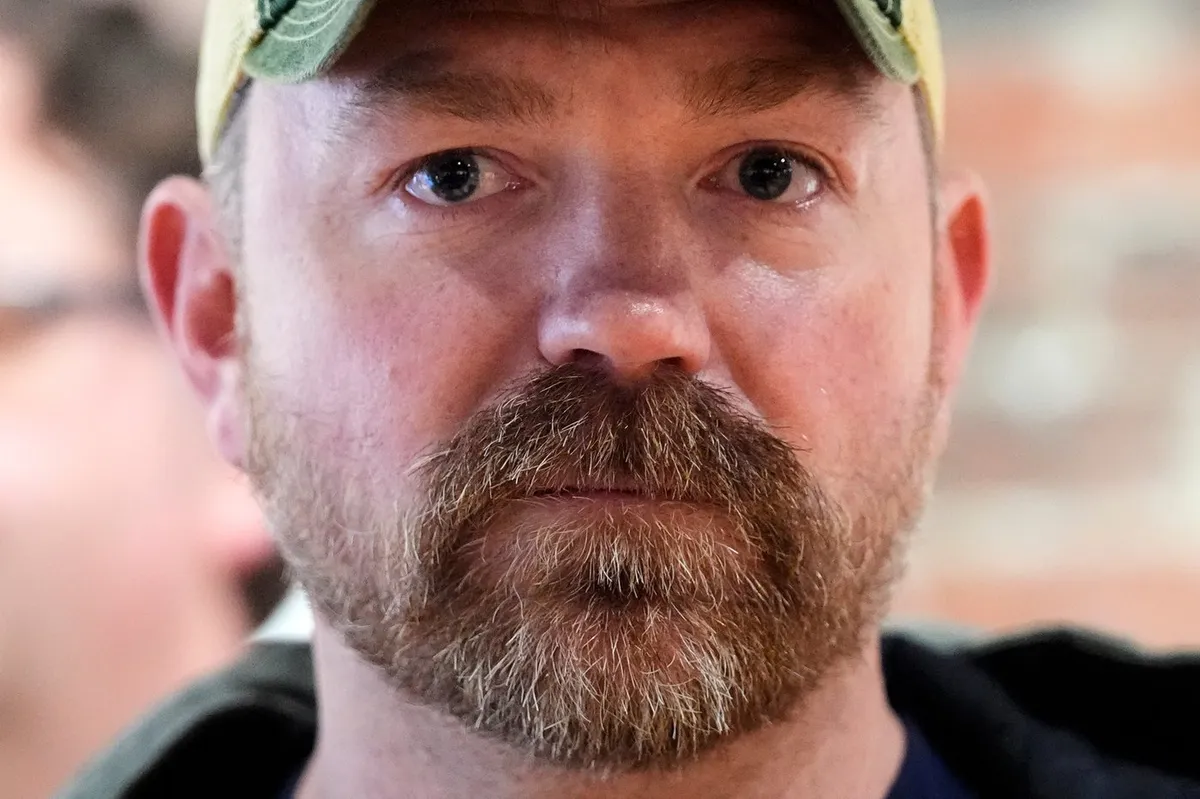
Janet Mills’ abrupt exit from her U.S. Senate campaign on May 1, 2026 underscores a growing anti-establishment sentiment among Democratic voters in Maine. Her departure raises questions about the future direction of the Democratic Party in a state where enthusiasm for traditional candidates is waning.
Several factors contributed to Mills’ withdrawal. She struggled with insufficient fundraising and a lack of voter enthusiasm — issues that have plagued many establishment figures lately. Graham Platner, an oyster farmer, is now poised to become the Democratic nominee, having held 65 town halls to engage directly with constituents.
Mills, who previously served as governor, was recruited by Chuck Schumer to lead efforts against Susan Collins. However, her age—she is 78 years old—and the perception that she represents the old guard may have hindered her appeal. The Democratic Party is witnessing a shift as rank-and-file members increasingly demand candidates who are willing to fight for progressive values.
This trend isn’t isolated to Maine. Similar anti-establishment clashes are emerging across the country, signaling that voters are ready for change. As Ezra Levin pointed out, “Rank-and-file Democrats want fighters.” This sentiment resonates deeply within party circles.
The implications of Mills’ exit are profound. Platner’s grassroots approach has resonated with voters who feel disconnected from traditional party leadership. His statement about operating without establishment support reflects a broader discontent: “The fact that we’ve been able to do all of this without the help of the establishment puts us in such an amazing position.”
Chuck Schumer’s strategy may require reevaluation. As Bernadette Breslin noted, “Schumer has officially lost the first battle in his proxy war with Bernie Sanders.” This shift could redefine how campaigns are run and which candidates gain traction moving forward.
Maine’s political landscape is evolving rapidly. Mills’ age and connection to past leadership may have contributed to her defeat, but it also highlights a generational divide within the party. Voters are increasingly seeking candidates who reflect their desires for progress rather than continuity.
The future remains uncertain as Platner prepares for his nomination battle against Collins. With Maine’s political climate shifting dramatically, it will be interesting to see how these dynamics play out in upcoming elections.