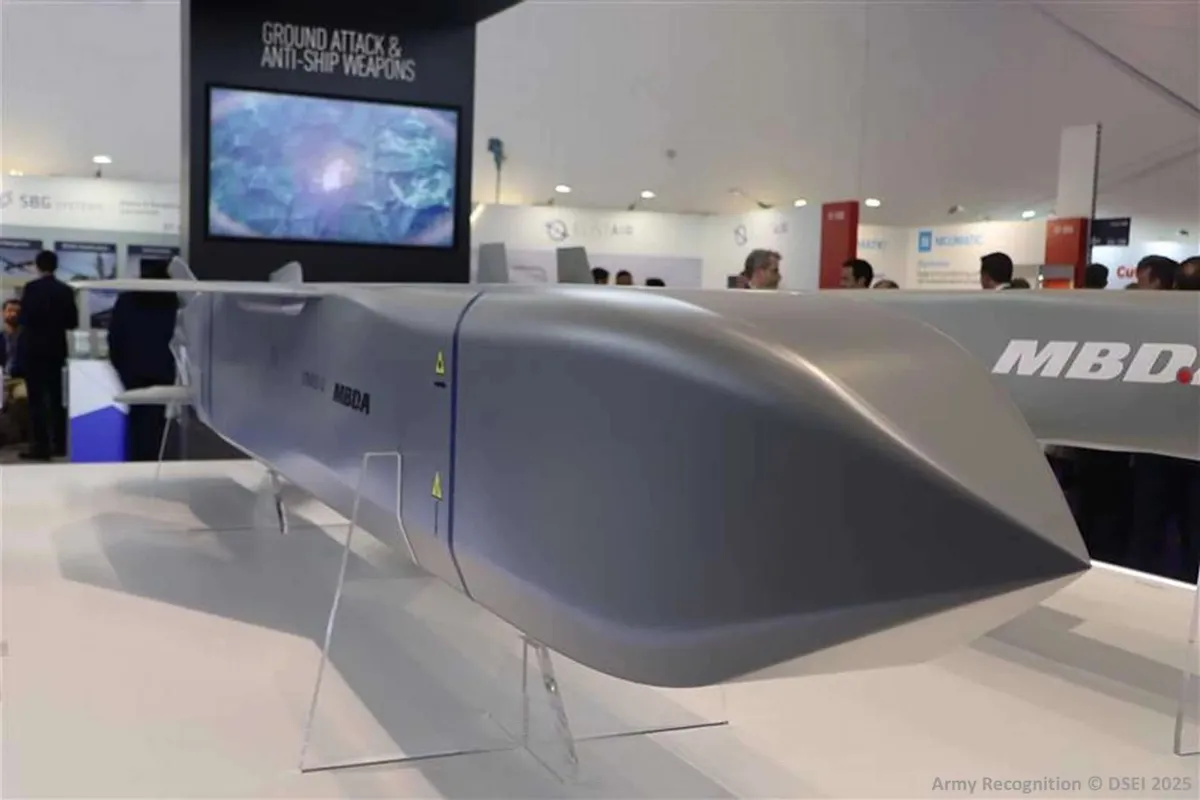
“This decision will allow our air and naval forces to carry out all their missions, restore our partnerships, and maintain Rafale’s attractiveness for export,” stated Catherine Vautrin, a key figure in France’s defense strategy. Her remarks underscore the strategic importance of the Rafale fighter jet, particularly as France develops the STRATUS supersonic missile designed for the Rafale F5 and naval platforms.
The STRATUS missile aims for high-supersonic speed, ramjet propulsion, and multi-role strike capability, enhancing the Rafale’s operational versatility. Expected to enter service with the French Air and Space Force by 2030, the Rafale F5 represents a significant upgrade over its predecessors, featuring more powerful engines, improved survivability, and new weapon systems.
However, France’s defense spending plans indicate that no additional Rafale fighters will be procured beyond the target fleet of 178 by 2030. This limitation raises questions about the future production and export potential of the aircraft, especially as the global defense landscape evolves.
In India, the Rafale deal has been mired in controversy, with the Supreme Court ordering the government to disclose details of the $8.7 billion agreement for 36 Rafale planes. Legal expert Prashant Bhushan has called for a court-monitored Central Bureau of Investigation probe into the Rafale deals, highlighting the scrutiny surrounding the procurement process.
Arun Shourie, another prominent figure in the debate, remarked, “Confidentiality does not relate to price, only technical specifications,” suggesting that transparency in defense contracts is crucial for public trust. The Indian government faces pressure to clarify the terms of the deal amidst allegations of irregularities.
As the Rafale continues to evolve, it is not just a fighter jet but a symbol of international defense relations. The STRATUS missile, designed for SEAD/DEAD and anti-ship warfare, is one element of a broader strategy to maintain contested access in modern warfare. “The missile is one node in a broader kill web designed for contested access,” an unnamed defense analyst noted, emphasizing the interconnected nature of modern military capabilities.
Looking ahead, the Rafale’s role in global defense will likely expand, especially as France continues to innovate in military technology. However, the ongoing legal challenges in India could impact its reputation and future contracts. The complexities surrounding the Rafale deal serve as a reminder of the intricate relationship between military procurement and political accountability.
As developments unfold, the Rafale remains a focal point of interest for military analysts and policymakers alike, with its future intertwined with both technological advancements and legal scrutiny. The coming years will be critical in determining how this iconic fighter jet adapts to the changing landscape of global defense.