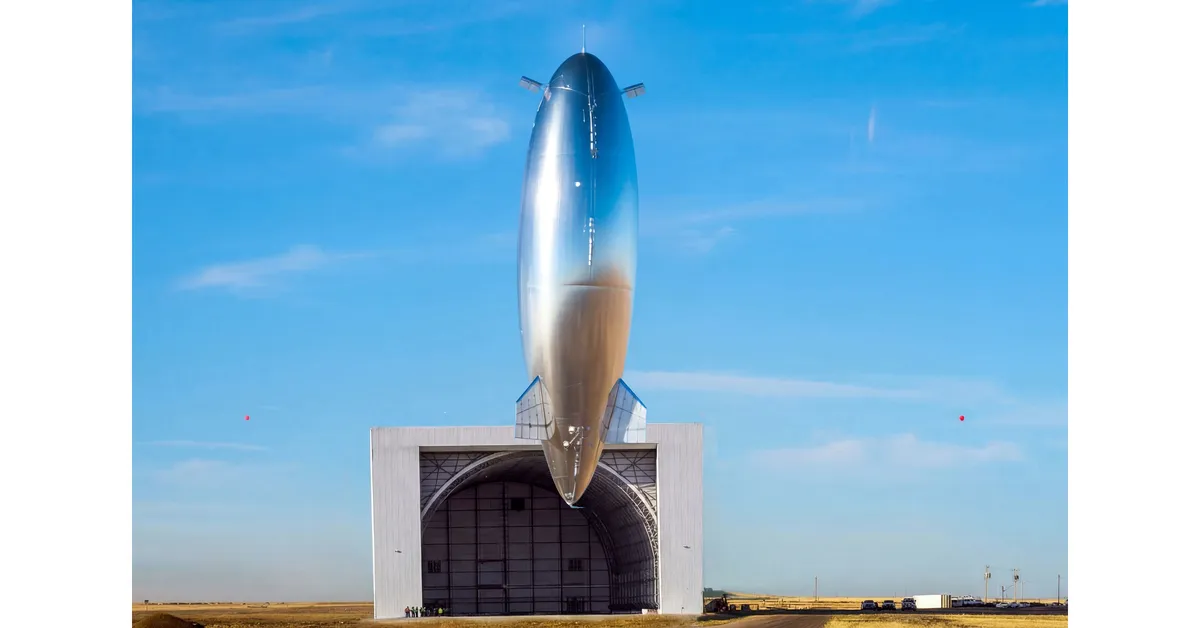
On March 25, 2026, at 8:26 AM MT, Sceye launched its SE2 High-Altitude Platform System (HAPS) from New Mexico, marking the beginning of a remarkable 12-day flight. This journey covered over 6,400 miles, reaching Brazil and demonstrating the capabilities of HAPS technology in telecommunications and environmental monitoring.
During the flight, Sceye’s SE2 maintained its position over selected locations for an impressive 88 hours, showcasing its endurance and potential for providing persistent connectivity where traditional networks may falter. Mikkel Vestergaard Frandsen, a spokesperson for Sceye, emphasized the significance of this achievement, stating, “Endurance is what makes this possible. The ability to remain over an area for extended periods enables persistent connectivity and real-time monitoring where traditional networks and existing technologies fall short.” This flight not only highlights technological advancements but also opens new avenues for applications in various sectors.
Meanwhile, the aviation landscape faced significant challenges as Lufthansa announced the cancellation of 800 flights due to a pilot strike, affecting approximately 100,000 passengers. The airline indicated that it would operate only about one-third of its short-haul schedule and 50% of its long-haul routes during this disruption. This strike underscores ongoing labor tensions within the airline industry, which have been exacerbated by the post-pandemic recovery phase.
In a contrasting development, Québec City Jean Lesage International Airport (YQB) is preparing for a substantial increase in capacity. In 2026, YQB will see 376,456 additional seats available compared to pre-pandemic levels, representing a 15% increase in capacity over 2025. Stéphane Poirier, the airport’s director, noted, “Passengers wanted more destinations, more flights, and more seats. We heard them, and thanks to our excellent relationships with the airlines, that is exactly what they are getting.”
Furthermore, YQB will introduce five new destinations for the summer 2026 season, enhancing its appeal as a travel hub. Joël Lightbound, a local representative, remarked, “The historic increase in seat capacity at the Québec City airport is excellent news for the entire region. It means more tourists, more investment, and more opportunities for our local businesses.” Samantha McKinley, a tourism official, added, “This unprecedented number of seats opens up some incredible prospects for the tourism industry. It makes the destination more accessible and allows us to bring in even more visitors and business events while strengthening our position in key markets.”
As the flight industry navigates these contrasting developments, the implications for both technological advancements and operational challenges are profound. Sceye’s achievements signal a new era of connectivity, while Lufthansa’s struggles highlight the complexities of labor relations in a recovering market. The interplay between innovation and operational stability will be crucial as the industry continues to evolve in the coming years.