Who is involved
The recent tragic collision at LaGuardia Airport has sent shockwaves through the aviation industry, particularly affecting Air Canada and its leadership. Before this incident, the expectation was that air travel would continue to be a safe and reliable mode of transportation, with stringent safety protocols in place. However, the unexpected collision between an Air Canada passenger jet and a fire truck during landing has shattered that perception.
On the day of the incident, an Air Canada Express CRJ-900 aircraft, carrying 72 passengers and four crew members from Montreal to New York, was cleared to land. Simultaneously, a fire truck had been authorized to cross the runway by the ground tower, leading to a catastrophic collision. This decisive moment resulted in the deaths of the pilot and first officer, leaving the aviation community and the public in shock.
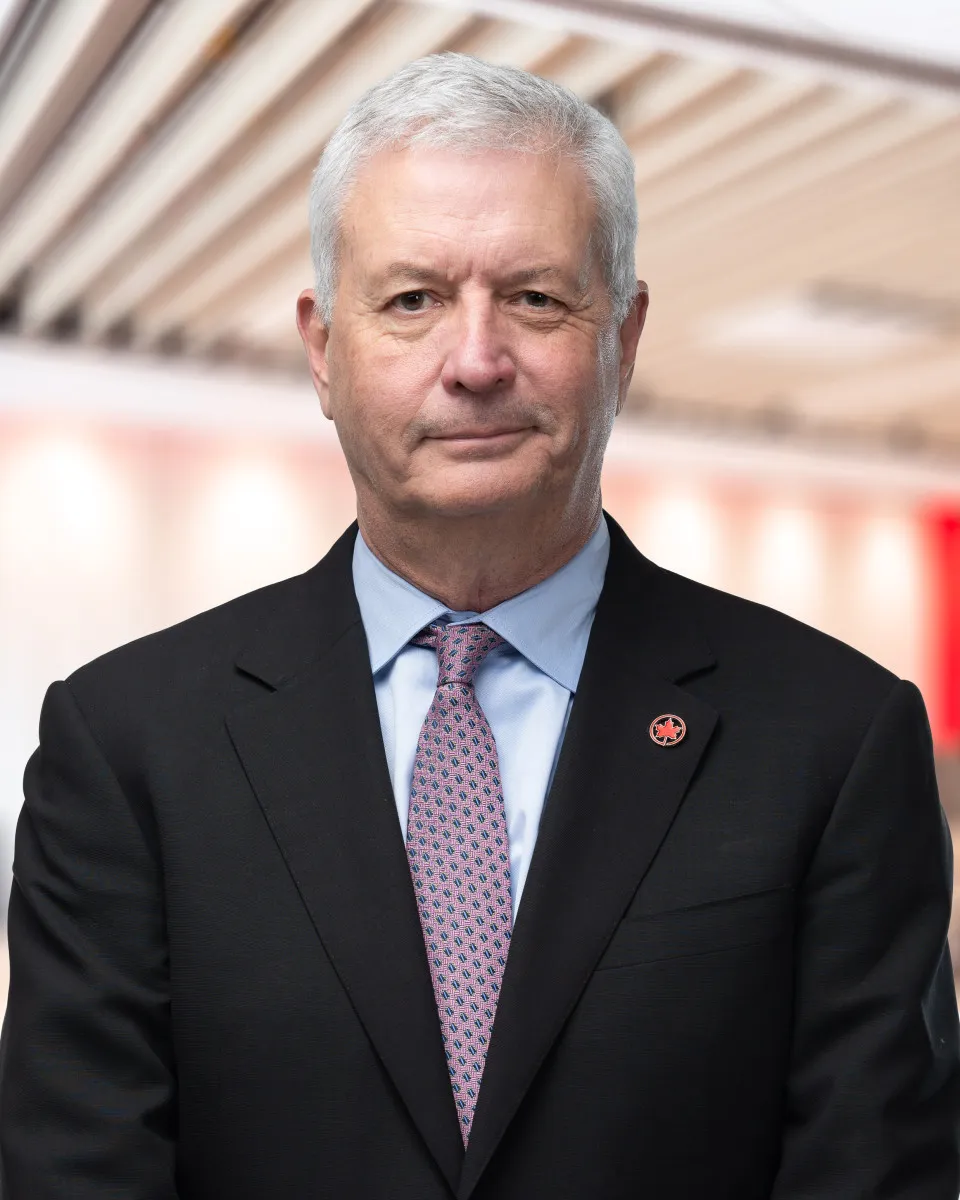
The immediate aftermath of the collision saw 41 passengers and crew taken to the hospital, with nine still hospitalized at the time of reporting. The U.S. Federal Aviation Administration responded swiftly, grounding all planes at LaGuardia until at least 2 p.m. ET, as investigations began. Air Canada CEO Michael Rousseau confirmed the fatalities and expressed his sorrow, stating, “Today is a sombre day.” His leadership is now under scrutiny as the airline grapples with the fallout from this preventable disaster.
Experts have weighed in on the implications of this incident. Robert Clifford, an aviation safety expert, remarked, “This was a needless, preventable disaster that never should have occurred.” Such statements underline the gravity of the situation and the urgent need for a thorough investigation into the circumstances that led to the collision. The Transportation Safety Board of Canada is deploying a team of investigators to support the U.S. National Transportation Safety Board, highlighting the international concern surrounding this event.
As the investigation unfolds, questions remain about the effectiveness of air traffic control protocols and the communication between the ground tower and the aircraft. Rousseau acknowledged the uncertainty surrounding the incident, stating, “We know there are many questions, but at this early stage we do not have all the answers.” This admission reflects the complexity of the situation and the challenges that lie ahead for Air Canada.
The collision has not only resulted in tragic loss but also poses significant challenges for Air Canada and Jazz Aviation, the operator of the aircraft. The reputational damage from such an incident can be long-lasting, affecting public trust in the airline’s safety measures. As the company navigates this crisis, it will need to implement changes to ensure that such a tragedy does not happen again.
In summary, the LaGuardia Airport collision has dramatically altered the landscape of air travel safety, with Michael Rousseau at the center of the storm. The incident serves as a stark reminder of the vulnerabilities in aviation safety protocols and the critical need for accountability and transparency in the industry. As investigations continue, the hope is that lessons will be learned to prevent future tragedies.