The closure of the Strait of Hormuz has led to unprecedented disruptions in global oil and gas supplies, raising fears of a prolonged energy crisis in Europe. This vital waterway, through which at least a fifth of the world’s oil and seaborne gas flows, has been effectively blocked due to escalating geopolitical tensions.
The past decade has seen a rapid succession of global energy crises driven by military conflict, extreme weather, and supply-chain issues. The ongoing Iran war has caused the greatest disruption to oil and gas supplies in history. Diesel and petrol prices in Europe have soared by an average of 26% and 12%, respectively, since the war began.
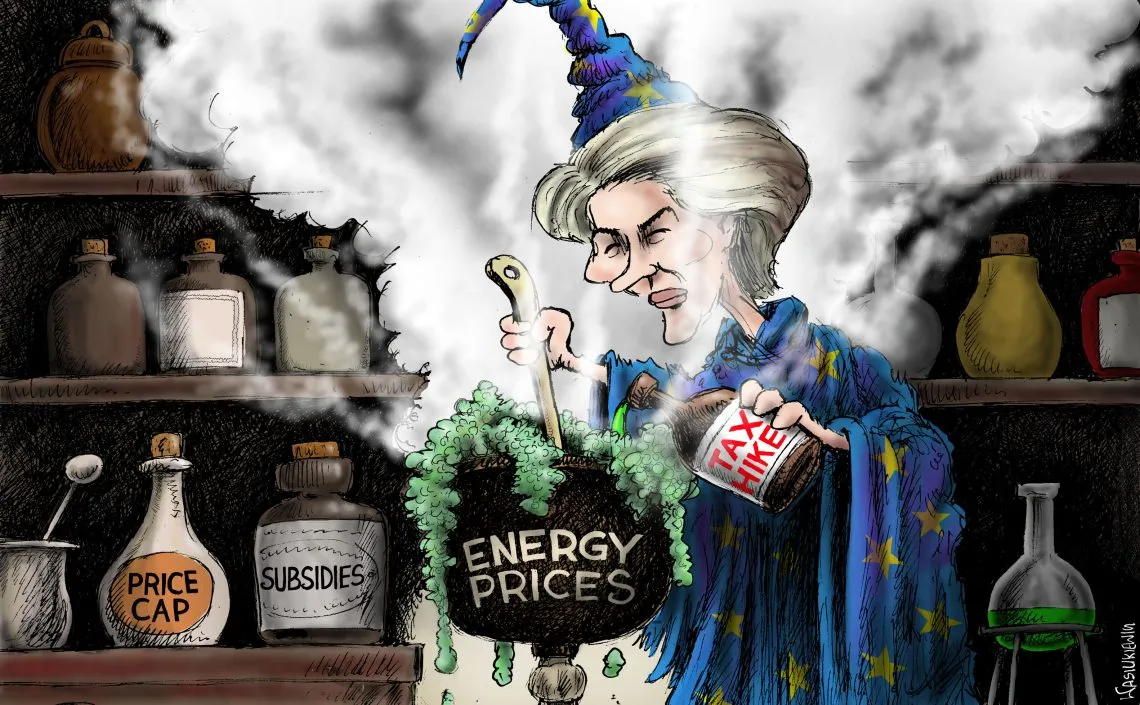
Initial reactions from key figures reflect a sense of urgency. Ursula von der Leyen emphasized, “We must accelerate the shift to homegrown, clean energies. This will give us energy independence and security.” Meanwhile, Wopke Hoekstra warned that we should “fasten our seat belts” as conditions may worsen.
As for the natural gas market, it has reacted sharply—European benchmarks like TTF doubled from €30 to €60 per megawatt hour shortly after the onset of hostilities. European governments have committed more than €11 billion in fiscal measures to cushion households and businesses during this crisis.
Yet, uncertainties linger. The energy transition is introducing new vulnerabilities, particularly dependence on imports of low-carbon technologies concentrated in China. Observers question whether this dependency could exacerbate existing issues.
Looking ahead, officials express concern about sustained high prices and potential shortages. Dan Jørgensen succinctly noted, “Hope is not a strategy,” highlighting that without concrete actions, Europe’s energy security could remain at risk.