Key moments
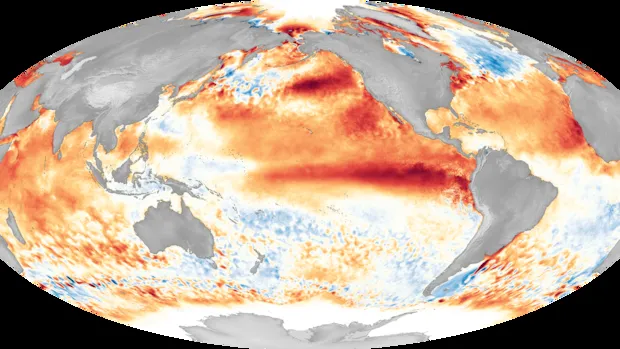
As Canada braces for the onset of a significant El Niño event, forecasts indicate that the phenomenon will begin impacting the nation as early as June 2026. This climatic occurrence, characterized by warmer than average surface waters in the eastern tropical Pacific, has historically influenced weather patterns across much of the globe, and Canada is no exception.
The immediate implications of this upcoming El Niño are concerning, particularly regarding temperature anomalies. Current analyses suggest an average temperature anomaly of 2.4°C for the event, which could lead to extreme heat conditions and exacerbate wildfire seasons across the country. The last strong El Niño, which occurred during 2015-2016, saw ocean temperatures rise approximately 2°C above average, contributing to significant climatic disruptions.
Historically, the strongest El Niños recorded were in 1997-98 and 2015-16, both of which had profound impacts on global weather patterns. The 2015-2016 event, for instance, was linked to a record hurricane year in the central North Pacific and severe drought conditions in Ethiopia. As we approach the peak of the upcoming El Niño, forecasted for November 2026, the potential for similar disruptions looms large.
In Canada, the spring forecast for 2026 indicates wetter conditions in eastern regions, while the Prairies may experience drier weather. However, the winter preceding this event is expected to be colder than normal, influenced by the polar vortex, which has already made early 2026 particularly challenging. This juxtaposition of colder winters and hotter summers raises questions about the overall climatic balance in the region.
Experts are weighing in on the potential severity of the upcoming El Niño. Zeke Hausfather, a noted climate researcher, remarked, “It seems like we’re in for a strong [El Niño] with a chance of a super strong El Niño event.” Meanwhile, Natasha Ramsahai has noted that this phenomenon is expected to strengthen into a very strong El Niño by the winter of 2026, further emphasizing the urgency of preparedness.
As the situation develops, it’s crucial to recognize that while El Niño is a natural climatic cycle, its impacts can be exacerbated by human-induced climate change. The warming levels projected for 2027, expected to reach 1.6°C above pre-industrial averages, highlight the ongoing challenges posed by climate change. The oceans, which have absorbed 90 percent of excess heat from greenhouse gases, are a critical factor in these dynamics.
While the scientific community continues to analyze the potential impacts of this El Niño, uncertainties remain. The exact effects on specific weather patterns in Canada are not fully confirmed, leaving many to speculate on the implications for agriculture, ecosystems, and public safety. As Anthony Farnell pointed out, “If you do get hot weather, a lot of lightning strikes, that could lead to more fires,” underscoring the need for vigilance as we approach this significant climatic event.
In summary, as Canada prepares for the anticipated El Niño starting in June 2026, the potential for extreme weather conditions and heightened wildfire risks cannot be overstated. With historical precedents and expert predictions pointing to a strong event, stakeholders across the country must remain alert and proactive in their response strategies.