Reaction from the field
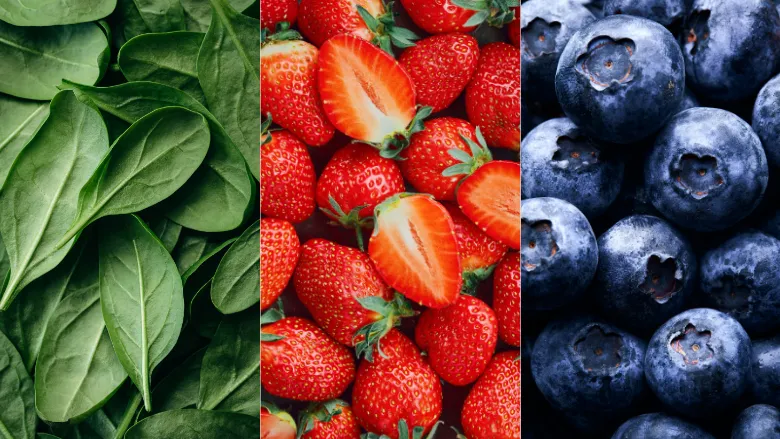
The release of the 2026 Dirty Dozen produce list by the Environmental Working Group (EWG) has raised significant alarm among consumers and health advocates alike. This year’s list includes popular items such as spinach, kale, strawberries, and apples, all of which have been found to contain alarming levels of pesticides. With 203 different pesticides detected across the 12 types of produce, the stakes for consumer health are higher than ever.
According to EWG’s findings, a staggering 96 percent of samples from the Dirty Dozen contained pesticide residues. This statistic underscores the pervasive nature of pesticide use in conventional agriculture and raises questions about the safety of these foods. Notably, PFAS pesticides were detected in 63 percent of all samples, highlighting a growing concern over these chemicals, often referred to as “forever chemicals” due to their persistence in the environment and human body.
Every type of produce on the Dirty Dozen list, except for potatoes, had an average of four or more pesticides detected on individual samples. This finding is particularly troubling as it suggests that consumers may be unknowingly ingesting a cocktail of chemicals with each serving. Varun Subramaniam from EWG emphasized, “Consumers have a right to know what’s on their food,” pointing to the need for greater transparency in food labeling and safety standards.
In contrast, the 2026 Clean Fifteen list, which includes produce like pineapple, avocados, and sweet corn, shows a more favorable profile. Almost 60 percent of samples from this list had no detectable pesticide residues, and only 16 percent contained residues of two or more pesticides. This stark difference highlights the potential benefits of choosing organic or less contaminated produce.
Despite the alarming findings, some experts argue that the benefits of consuming produce, whether organic or conventional, outweigh the risks associated with pesticide exposure. Andrea Love, a food safety advocate, noted, “You’d need to eat hundreds of servings of each food to even hit the safety threshold,” suggesting that while the presence of pesticides is concerning, the overall health benefits of eating fruits and vegetables remain significant.
However, the debate over pesticide safety continues, with critics cautioning that legal does not necessarily mean safe. Varun Subramaniam reiterated this sentiment, emphasizing the importance of consumer awareness and informed choices. As the conversation around food safety evolves, the EWG’s findings serve as a crucial reminder of the potential risks associated with pesticide use in agriculture.
As consumers navigate these concerns, the future of food safety regulations remains uncertain. Will there be increased pressure on agricultural practices to reduce pesticide use? Will consumers demand more transparency from food producers? Details remain unconfirmed, but the ongoing dialogue surrounding the Dirty Dozen and Clean Fifteen lists will likely influence future developments in food safety and consumer rights.