Reaction from the field
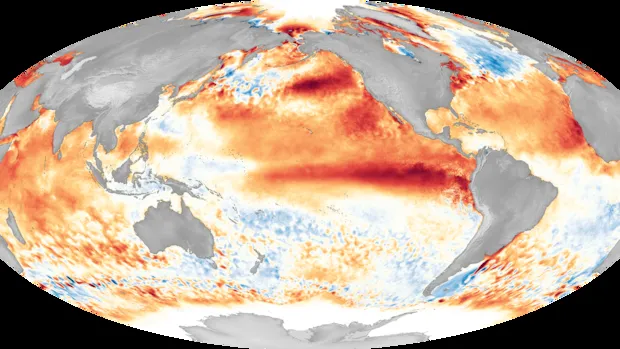
The emergence of El Niño in 2026 is poised to significantly alter weather patterns across the United States, with potential consequences that could affect millions. The National Oceanic and Atmospheric Administration (NOAA) Climate Prediction Center has issued an El Niño watch, indicating a 62% chance that this climatic phenomenon will materialize between June and August 2026. This development raises concerns about the implications for various regions, particularly as the expected El Niño could be strong, with predictions suggesting it may reach 2.5 degrees Celsius above average.
Historically, El Niño events have had profound impacts on global weather systems, and the upcoming event is no exception. As the warmer waters of the Pacific Ocean influence atmospheric conditions, the Pacific jet stream is expected to shift southward, leading to warmer and drier winters in the Midwest. This shift could exacerbate existing challenges in agriculture and water supply, as farmers may face increased drought conditions.
Conversely, the U.S. Gulf Coast and Southeast regions are likely to experience wetter than usual conditions, raising the specter of flooding. The correlation between El Niño and increased precipitation in these areas is well-documented, and communities may need to prepare for the potential disruptions that heavy rainfall can bring. The NOAA has noted that during El Niño periods, the likelihood of flooding increases significantly, which could strain local infrastructure and emergency services.
Interestingly, El Niño is also associated with a decrease in Atlantic hurricane activity due to enhanced vertical wind shear. This phenomenon could provide a temporary reprieve for coastal communities that typically brace for hurricane season. However, the overall impact of El Niño on hurricane activity remains complex and multifaceted, with varying outcomes depending on the strength and duration of the event.
As we approach the fall of 2026, the anticipation surrounding this El Niño event is palpable. The transition from La Niña to ENSO-neutral conditions is expected in the coming months, setting the stage for the potential emergence of El Niño. NOAA experts emphasize that April is often too early to confidently predict the climatic conditions for the upcoming fall and winter seasons, highlighting the inherent uncertainties in long-term weather forecasting.
While the predictions indicate a strong likelihood of El Niño, the exact nature and severity of its impacts remain uncertain. With a 55% chance of ENSO-neutral conditions prevailing through May-July 2026, the situation is fluid, and details remain unconfirmed. Stakeholders across various sectors, from agriculture to disaster management, must remain vigilant as they prepare for the potential challenges that El Niño 2026 may bring.
In summary, the anticipated El Niño in 2026 is set to create a ripple effect across the United States, influencing weather patterns in ways that could have significant implications for both daily life and long-term planning. As communities brace for the changes ahead, the need for proactive measures and adaptive strategies becomes increasingly clear. The colossal influence of the El Niño-Southern Oscillation (ENSO) on global weather patterns underscores the importance of continued monitoring and research in the face of climate variability.