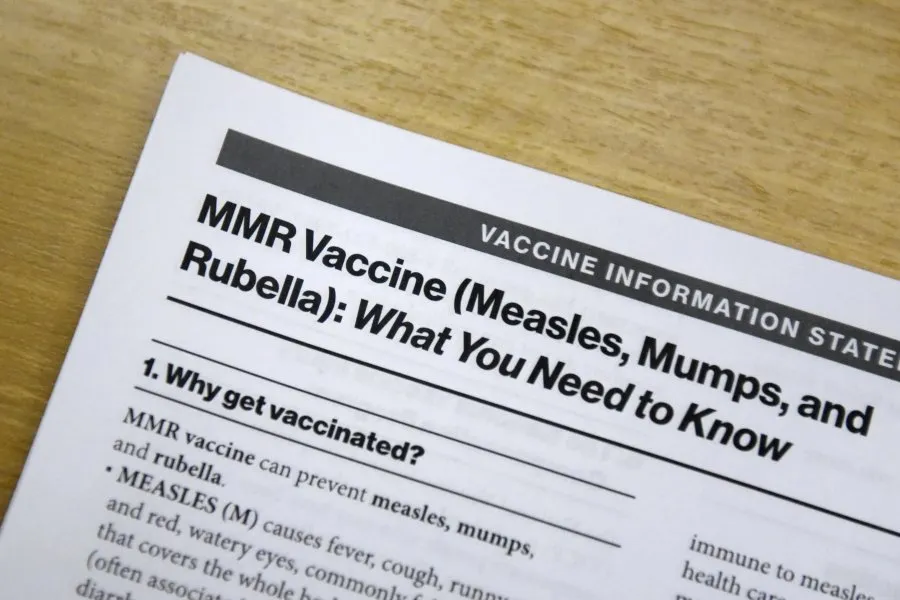
“Vaccines are foundational to child survival. UNICEF is deeply concerned about the sharp rise in measles cases across Bangladesh, putting thousands of children, especially the youngest and most vulnerable, at serious risk.” This stark warning from Rana Flowers, UNICEF Representative in Bangladesh, underscores the urgency of the situation as the country grapples with a significant measles outbreak.
On April 6, 2026, Bangladesh launched an emergency vaccination campaign aimed at protecting over a million children from measles, a disease that has already claimed the lives of at least 98 children since March 15, 2026. The campaign is particularly critical given that there have been more than 7,500 suspected cases of measles reported across the nation, with an official count of confirmed deaths standing at 17.
The vaccination initiative marks a pivotal moment for Bangladesh, which last conducted a vaccination campaign in 2020. A planned second campaign in 2024 was thwarted by political unrest, leaving many children vulnerable to preventable diseases. In a significant shift, the vaccination age has been lowered from 9 months to just 6 months, reflecting the urgent need to bolster immunity among the youngest populations.
The campaign will initially target 18 specific high-risk districts before expanding nationwide on May 3, 2026. This focused approach aims to address the critical immunity gaps highlighted by UNICEF, particularly among zero-dose and under-vaccinated children. As the health crisis unfolds, the government is under pressure to ensure that the vaccination efforts are effective and reach those most in need.
Amidst this health crisis, Bangladesh is also navigating a new chapter in its diplomatic relations with India. Humayun Kobir, Bangladesh’s Foreign Affairs Adviser, emphasized the importance of fostering a bilateral relationship that prioritizes people-to-people ties rather than focusing solely on individual leaders. He stated, “Our bilateral relation should be focused on people-to-people ties so that it will not be focused on individuals. This is what we want and this is also what India desires.”
India has already demonstrated its commitment to supporting Bangladesh during this crisis by sending 5,000 metric tonnes of high-speed diesel on March 10, 2026. This gesture is part of a broader effort to strengthen ties between the two nations, especially in light of the political upheaval that led to the ousting of former Prime Minister Sheikh Hasina in August 2024. The upcoming visit of Bangladesh’s Foreign Minister Khalilur Rahman to India on April 7, 2026, is expected to further solidify these diplomatic efforts.
The resurgence of measles cases in Bangladesh serves as a stark reminder of the vulnerabilities that persist in the healthcare system, particularly in the wake of political instability. As the vaccination campaign unfolds, the government must not only address the immediate health crisis but also lay the groundwork for a more resilient healthcare infrastructure moving forward.
As the situation develops, the focus remains on ensuring that the vaccination campaign is successful and that diplomatic relations with India continue to evolve positively. The hope is that this new approach will prevent past mistakes and foster a more stable future for both nations.