The numbers
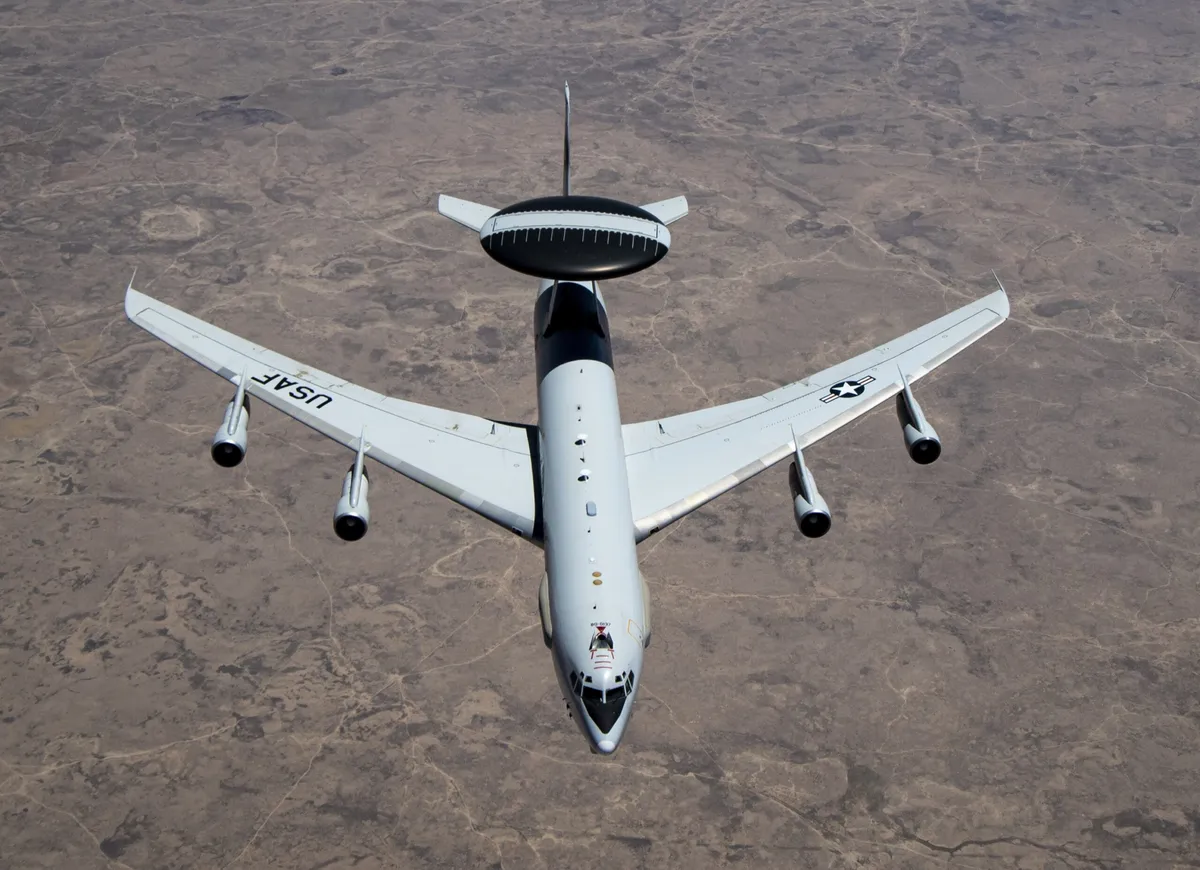
On March 27, 2026, an E-3 Sentry AWACS was damaged during a missile and drone attack launched by Iran at Prince Sultan Air Base in Saudi Arabia. This incident resulted in injuries to more than ten service members, with two reported to be in serious condition. The attack underscores the escalating tensions in the region and the growing threat posed by Iranian forces targeting U.S. military assets.
Prior to the attack, six E-3 Sentries were stationed at Prince Sultan Air Base, a critical location for U.S. military operations in the Gulf. The E-3 Sentry has been a vital component of the U.S. Air Force since its introduction in the late 1970s, serving essential roles in command and control, intelligence, surveillance, and reconnaissance. However, the U.S. Air Force’s fleet of E-3s has dwindled to just 16 aircraft, raising concerns about the sustainability of air operations in the region.
In fiscal 2024, the mission-capable rate of the E-3s was approximately 56 percent, indicating that operational readiness is already a challenge. The loss of even one E-3 Sentry could create significant gaps in the Air Force’s battlespace awareness and management capabilities. Heather Penney, a defense analyst, highlighted the gravity of the situation, stating, “The loss of this E-3 is incredibly problematic, given how crucial these battle managers are to everything from airspace deconfliction, aircraft deconfliction, targeting, and providing other lethal effects that the entire force needs for the battle space.”
Iran’s attack on the E-3 Sentry is part of a broader asymmetric counter-air campaign aimed at U.S. assets in Gulf countries. The E-3 Sentry, with a radar range exceeding 375 km (250 miles), plays a crucial role in managing the battlefield and tracking aerial threats. Retired U.S. Air Force Colonel John Venable remarked, “Targeting the E-3G AWACS in particular is a big deal,” emphasizing the strategic importance of this aircraft in the current conflict.
The U.S. has faced significant losses in its drone fleet as well, with reports indicating that 12 MQ-9 Reaper drones have been lost since the onset of the war. This trend raises questions about the effectiveness of U.S. air operations and the ability to maintain surveillance and reconnaissance capabilities in a rapidly changing combat environment.
As the situation develops, military observers are closely monitoring the implications of the E-3 Sentry’s damage. Kelly Grieco, another defense expert, stated, “It’s a significant loss for the war in the short term,” highlighting the immediate impact on U.S. operational capabilities. The ongoing conflict with Iran continues to evolve, and the effectiveness of U.S. air assets will be critical in shaping the outcome of future engagements.
Details remain unconfirmed regarding the full extent of the damage to the E-3 Sentry and the operational status of the remaining aircraft in the fleet. The U.S. military’s response to this incident will likely influence its strategic posture in the region and its ability to counter Iranian threats effectively.