Key moments
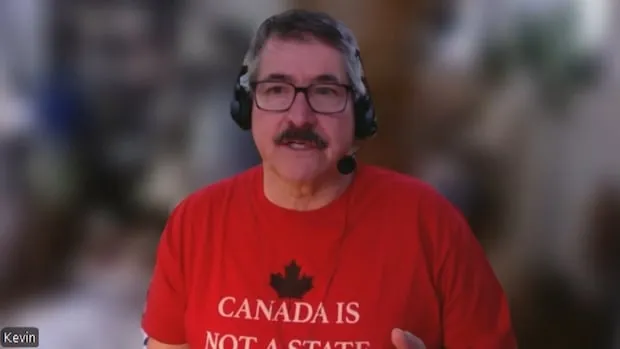
In a troubling incident at the Blue Water Bridge on October 18, 2025, Kevin Larson, a 68-year-old retired nuclear power plant employee from Canada, was held for three hours by U.S. Customs and Border Protection (CBP) and forced to provide a DNA sample. Larson was attempting to enter the U.S. to attend a rally in Port Huron, Michigan, when he was told that he could face charges if he refused to comply with the DNA request.
The situation escalated when Larson was denied entry due to what CBP described as “insufficient evidence” for his intended purpose. Despite presenting a valid Canadian passport, Larson disputed the reasoning behind his denial, stating that he felt rattled by the experience. He ultimately complied with the DNA request to avoid a longer-term ban from entering the U.S.
This incident has sparked significant outrage, particularly from U.S. lawmakers such as Representative Debbie Dingell and Jamie Raskin, who have raised concerns about the legality and ethics of such actions by border officials. Dingell expressed her dismay, stating, “This kind of hostile and arbitrary treatment at the border could further damage one of our most important bilateral relationships.” She emphasized that there was no evidence of any pending warrants or criminal history against Larson, highlighting the arbitrary nature of the treatment he received.
According to a directive issued in 2025, CBP is authorized to collect DNA samples from individuals arrested on federal charges. However, the application of this directive in Larson’s case raises questions about its scope and the protections afforded to individuals crossing the border. Larson’s experience has brought to light the broader implications of such policies on civil liberties and privacy rights.
In a statement reflecting his discomfort with the situation, Larson remarked, “I said, ‘No, I consider that a privacy thing. I’m not going to do it.'” His compliance was driven by a desire to avoid complications that could arise from refusing the request. This raises critical questions about the balance between national security and individual rights, particularly in the context of border enforcement.
Dingell and Raskin have since sent a letter to CBP seeking clarification on the legal justification for taking Larson’s DNA, but as of now, they have not received a response. The lack of transparency surrounding this incident has only fueled further concerns among advocates for civil liberties, who argue that such practices could set a dangerous precedent.
As the relationship between the U.S. and Canada continues to be scrutinized, this incident serves as a reminder of the potential ramifications of stringent border policies. Larson has indicated that he plans to avoid future trips to the U.S. until there is a change in administration, reflecting a growing sentiment among individuals who feel threatened by current border practices.
Details remain unconfirmed regarding the broader implications of this incident on U.S.-Canada relations, but it undoubtedly raises important discussions about privacy, security, and the treatment of individuals at the border.