For years, Infowars was synonymous with conspiracy theories and misinformation. Alex Jones built an empire on sensational claims—many of which led to real-world harm. The site thrived on controversy, drawing millions of views while facing legal battles that culminated in a staggering $1.5 billion liability for defamation related to the Sandy Hook shooting.
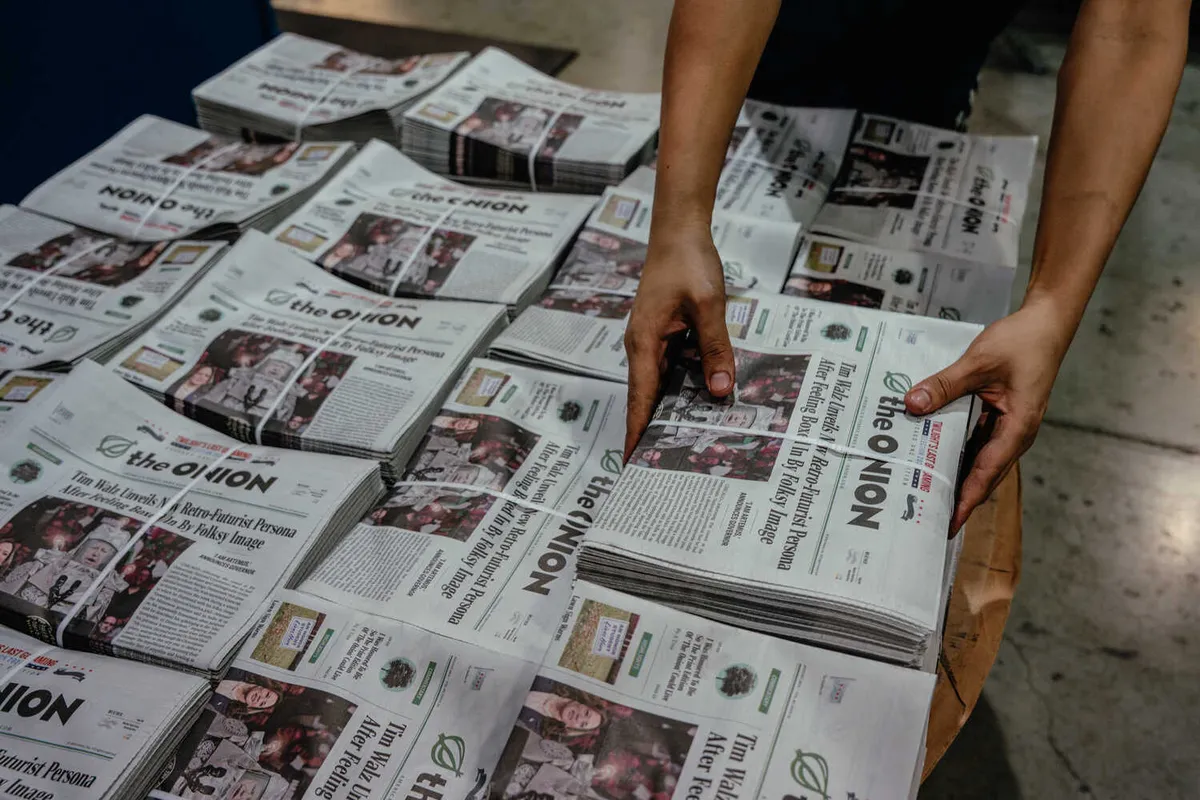
Then came the decisive moment: on April 20, 2026, The Onion announced plans to acquire Infowars.com. The deal includes leasing the site for $81,000 a month for six months, with ambitions to turn it into a parody of itself. This is not just a financial transaction; it’s a cultural pivot.
What changed? Jones’s bankruptcy declaration in 2022 forced him to liquidate assets amid mounting legal pressures. After nearly two years of legal wrangling in bankruptcy court—18 months of back and forth—the acquisition faced initial hurdles when a judge questioned the value of the bid. Yet, it has now moved forward, pending approval from Texas judge Maya Guerra Gamble.
The implications are profound. Tim Heidecker will step in as creative director, bringing a fresh perspective aimed at rebranding Infowars into something more palatable—perhaps even humorous. Ben Collins, CEO of The Onion, stated, “We’re taking something that caused real harm and turning it into something much funnier, and ideally, more useful.” This transformation aims not only to entertain but also to address past grievances.
In an unexpected twist, The Onion plans to share profits with victims of the Sandy Hook massacre—a move that could redefine accountability in media ownership. As Collins noted, “We want them to be able to get paid for real at some point with actual human dollars as part of this process.” It’s an effort to rectify past wrongs while attempting to democratize content creation.
But will this approach work? Critics may argue that turning Infowars into a joke trivializes its dark history. Yet others see it as an opportunity for healing through humor—a way to reclaim narratives that have caused immense pain.
Details remain unconfirmed regarding the exact timeline for the transition. However, what is evident is that The Onion is not merely buying a website; they are attempting to reshape public discourse around misinformation.
This acquisition represents more than just a business decision—it’s part of a broader effort to counter misinformation in today’s media landscape. As society grapples with the consequences of false narratives, can satire become a tool for truth?