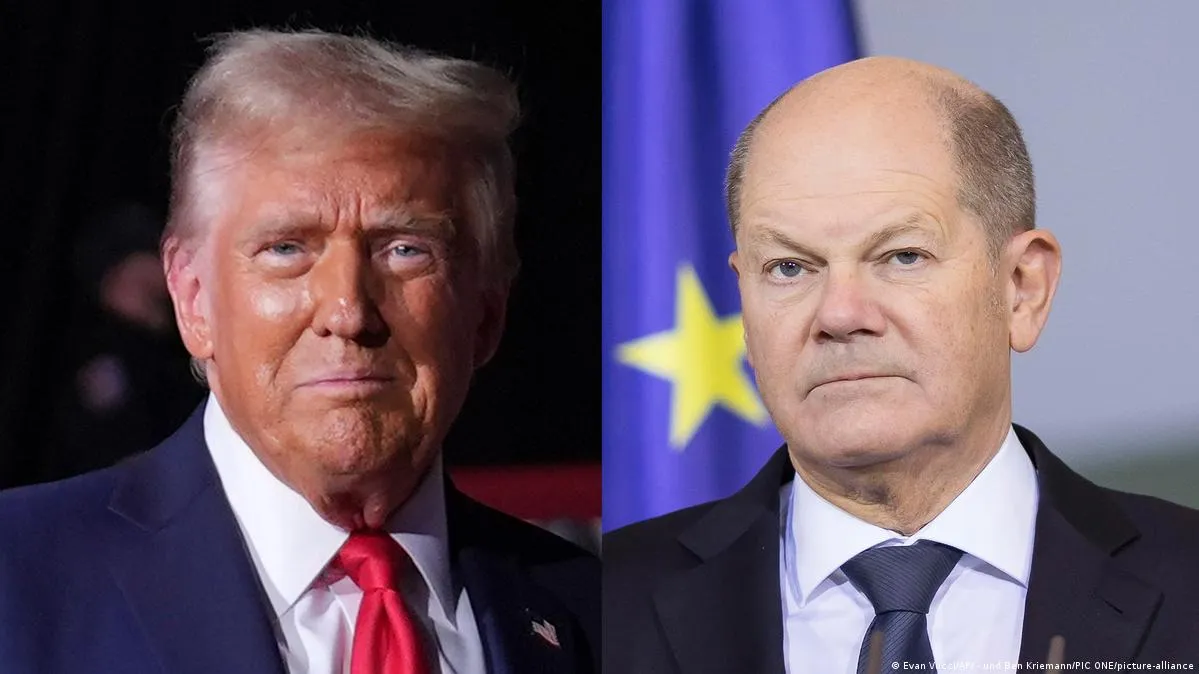
In a significant move, Donald Trump has announced plans to withdraw 5,000 soldiers from Germany, stirring debates about the future of European security. The decision has emerged amid a backdrop of shifting geopolitical dynamics, particularly regarding NATO and relations with Russia.
The announcement came on May 2, 2026, as Trump indicated his intent to further reduce the number of American soldiers stationed in Germany, which currently stands at approximately 36,000. This withdrawal represents about 15% of the total troop presence. Influenced by German Chancellor Friedrich Merz’s comments on European defense responsibilities, Trump’s strategy aligns with a broader push for NATO allies to shoulder more security burdens.
The implications of this troop reduction are multifaceted. For one, it raises questions about the stability of U.S.-European relations, especially given the current tensions with Russia under Vladimir Putin’s leadership. Republican leaders have expressed concern that such a withdrawal could signal weakness and embolden Russian aggression in Europe.
Key facts about the troop withdrawal:
- The U.S. plans to withdraw 5,000 soldiers from Germany within six to twelve months.
- This marks a significant cut from the existing force of 36,000 American troops stationed there.
- The total number of U.S. soldiers in Europe is around 80,000.
As this situation unfolds, voices from both sides of the Atlantic are weighing in. Boris Pistorius emphasized that “we Europeans must take more responsibility for our security.” Meanwhile, military experts like Mike Rogers and Roger Wicker cautioned that premature reductions could undermine deterrence efforts against potential threats from adversaries like Iran.
Trump’s strategy appears not only reactive but also part of a larger narrative concerning U.S. foreign policy priorities—shifting focus towards domestic issues while potentially neglecting crucial international alliances. The stakes are high; American troops in Germany have long been viewed as a stabilizing force in Europe since World War II.
Georges Mercier noted that “Trump felt humiliated” by previous criticisms regarding troop deployments, suggesting that this decision may also reflect personal motivations intertwined with political strategy.
The future remains uncertain as these developments progress. The next steps will be closely monitored by NATO allies and adversaries alike—especially as discussions around trade tariffs and military commitments intensify on both sides of the Atlantic.