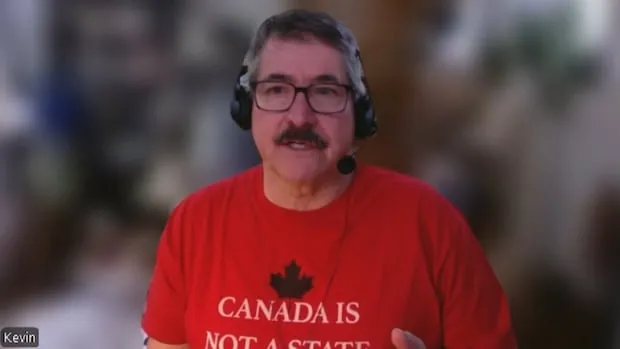
“If you don’t give us a DNA sample, we can charge you, and it would be an offence if you’re found guilty,” stated a U.S. Customs and Border Protection officer during a tense encounter with Kevin Larson, a 68-year-old retired nuclear power plant employee from Ontario.
On October 18, 2025, Larson attempted to cross the Blue Water Bridge into Port Huron, Michigan, to attend a rally. Instead, he found himself detained for three hours by U.S. customs officers, who cited “insufficient evidence” for his intended purpose of entry.
During his detention, Larson was compelled to provide a DNA sample under the threat of potential charges. This incident has raised significant concerns about the treatment of Canadians at the U.S. border, particularly in light of recent tensions in U.S.-Canada relations.
U.S. Representative Debbie Dingell expressed her outrage, stating, “This kind of hostile and arbitrary treatment at the border could further damage one of our most important bilateral relationships.” Her comments reflect a growing unease regarding the treatment of travelers and the implications for diplomatic ties.
Larson, however, took a more measured approach, saying, “I’m not even looking for an apology.” His experience highlights the complexities and challenges faced by Canadians when crossing into the U.S., especially amid a climate of heightened scrutiny.
According to reports, over 200 Canadians spent time in ICE custody last year, indicating a troubling trend in cross-border interactions. Len Saunders, an immigration lawyer, noted that most Canadians are wary of the potential hassles, saying, “Most Canadians just don’t want to deal with the hassle of ‘okay, what happens if I happen to be taken into custody?'”
Details remain unconfirmed regarding the legal justification for taking Larson’s DNA and the processes for its removal from the FBI database. Such uncertainties only add to the anxiety surrounding border crossings.
As the situation unfolds, it remains to be seen how this incident will impact the relationship between Canada and the U.S., particularly as both nations navigate the complexities of immigration and border security.