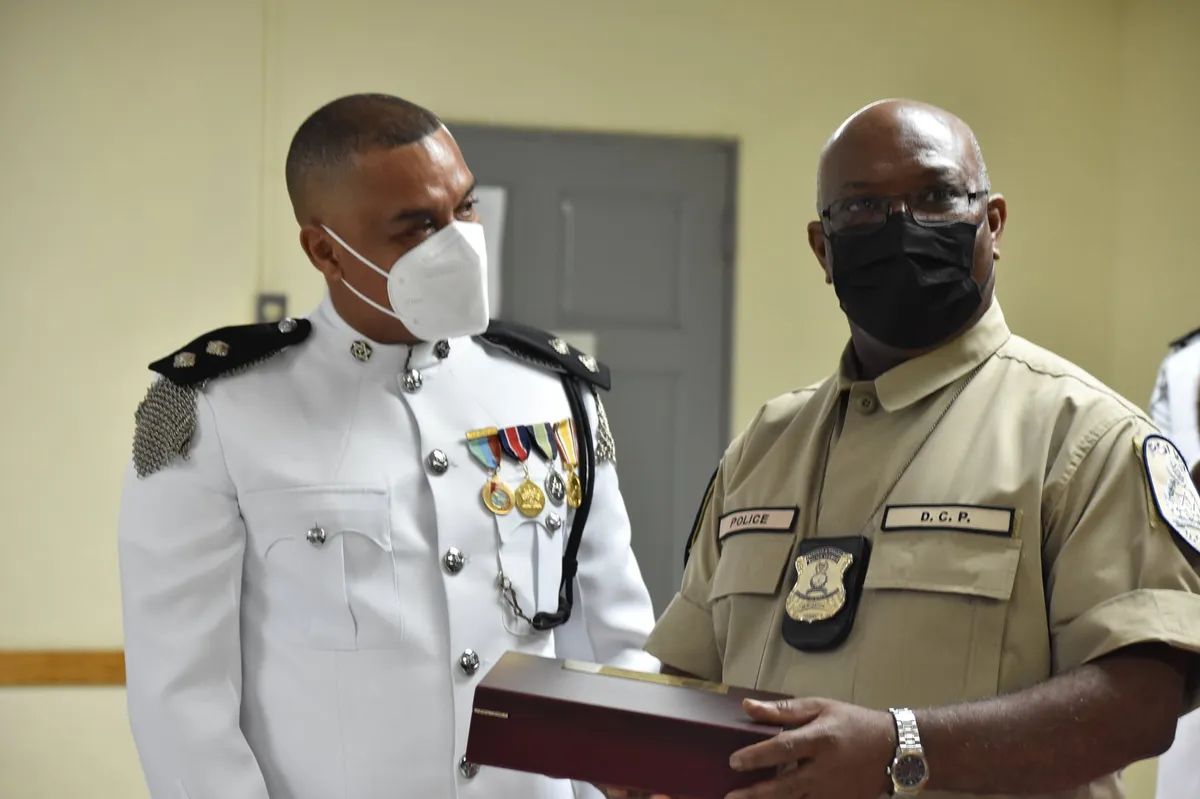
The Trinidad and Tobago Police Service (TTPS) was once seen as a stabilizing force amid rising crime. But recent events have shaken that perception—particularly the shocking discovery made on April 18, 2026.
In Cumuto, just 40 kilometers from Port of Spain, police unearthed 56 bodies, mostly of children. Among them were 50 infants and six adults. Some of these adult remains bore identification tags similar to those used at morgues. Preliminary indications suggest an unlawful disposal of unclaimed corpses—an act that raises profound ethical questions.
The TTPS’s role in this grim revelation is pivotal. This was not merely a routine operation; it marked a decisive moment in the ongoing battle against organized crime in Trinidad and Tobago. The country has struggled with escalating violence, with a murder rate climbing to 45.7 per 100,000 people in 2024.
Allister Guevarro, a spokesperson for the TTPS, expressed deep concern over the emotional toll this discovery would have on families and the wider community. “The nature of this discovery is deeply troubling,” he stated. His words resonate against a backdrop of increasing disillusionment with law enforcement’s ability to protect citizens.
Forensic analysis is currently underway to determine the origin of these remains. Yet, the implications stretch far beyond mere identification. The improper disposal of human remains is a criminal offense in Trinidad and Tobago, highlighting a systemic failure that must be addressed.
In recent years, Trinidad and Tobago has declared states of emergency to combat gang violence—a desperate measure reflecting the dire state of affairs. In December 2024, authorities detained 373 individuals under such measures, but it appears these actions have only scratched the surface.
Kamla Persad-Bissessar’s response underscores the heightened urgency: “If criminals want to terrorize law-abiding citizens… I will do everything legally possible to terrorize criminals.” This statement illustrates the escalating tensions between law enforcement and criminal elements.
The TTPS is now at a crossroads—facing scrutiny over its effectiveness while grappling with public fear. As forensic teams work tirelessly to uncover answers, one thing remains clear: every cadaver must be handled with dignity and lawful care.
This incident could redefine how policing is viewed in Trinidad and Tobago. It may also prompt necessary reforms within the police service itself—if there is political will to act decisively.
Details remain unconfirmed regarding how long these bodies had been left unattended or who might be responsible for their disposal. The community watches closely as this tragic story unfolds.