Robertson’s New Agreement and Career Performance
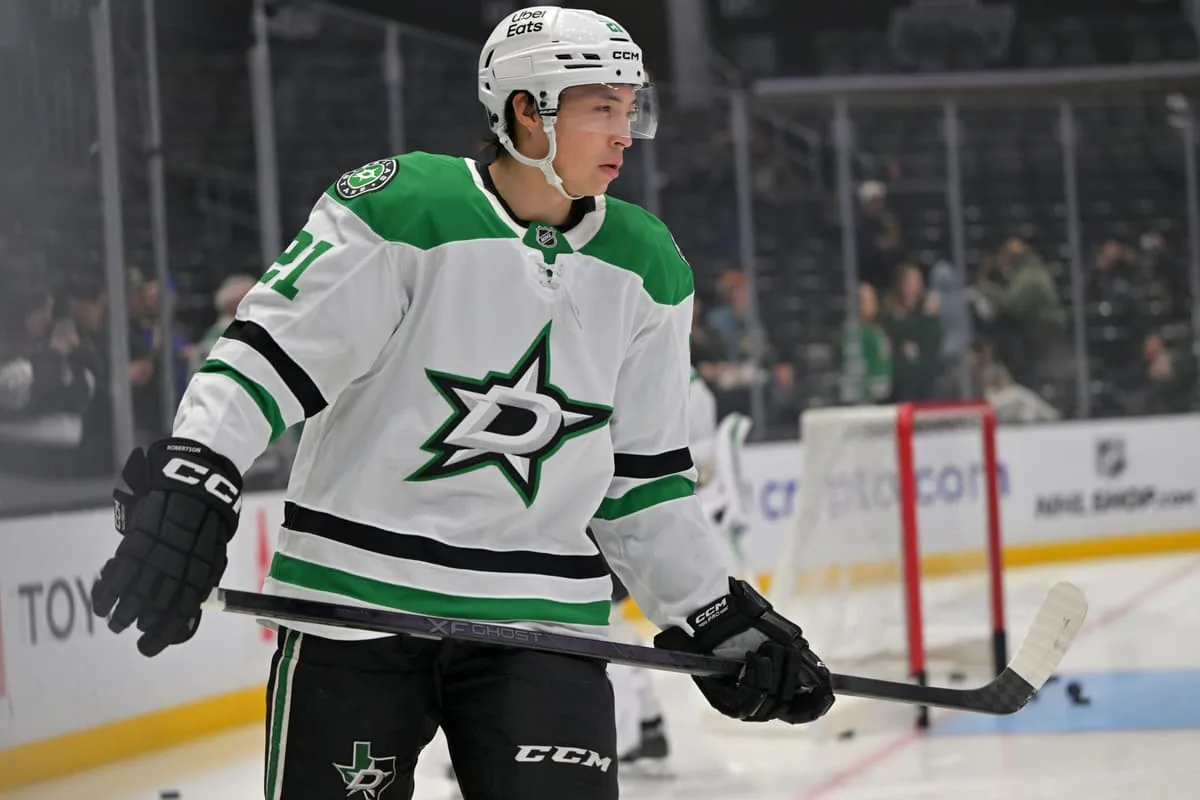
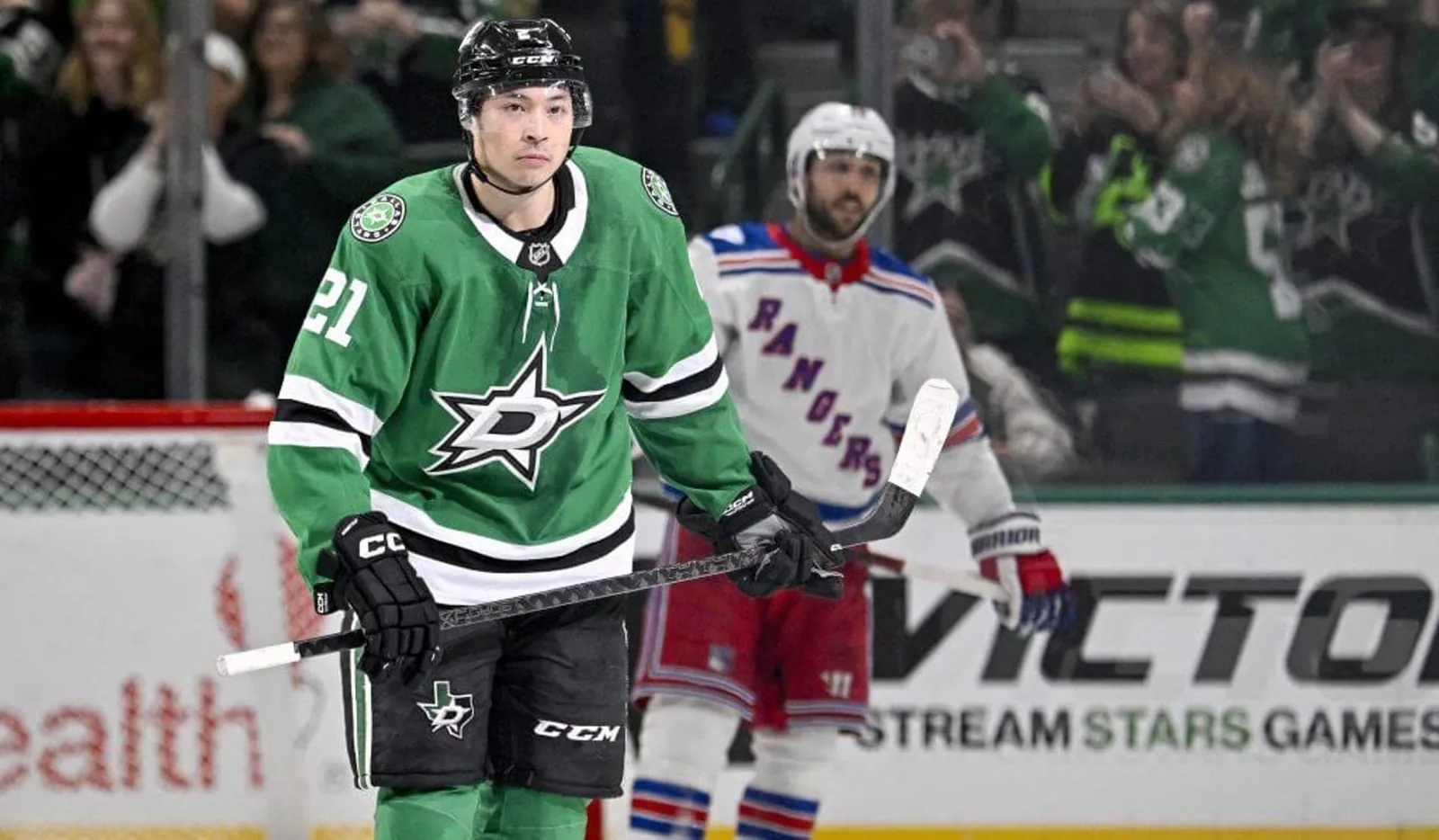
After prolonged negotiations that included a nearly completed trade and the potential for an arbitration hearing, Jason Robertson and the Dallas Stars have finalized a one-year, $12 million contract. This agreement keeps the winger in Dallas for the immediate future, though the long-term trajectory remains uncertain.
Robertson is set to begin the 2026-27 season following a productive campaign where he recorded 45 goals and 96 points. This performance marked the second-most productive season of his career. Over the past five years, Robertson has achieved three seasons with 40 or more goals and has consistently led the Stars in either goals or points, or both. He has established himself as a notable offensive threat across the league, ranking among the top players in goals, points, even-strength goals, even-strength points, and game-winning goals during that period.
The recent negotiations were described as challenging, largely due to Robertson seeking a substantial raise and the Stars facing salary cap limitations. Reports indicate that the Stars almost traded Robertson to Seattle, with a package that included a pick in the 2026 NHL Draft. However, that deal did not materialize.
Implications for Both Sides
For Robertson, this one-year deal is seen as a temporary measure. While it provides a significant salary, some observers note that it might be less than his market value, especially when compared to other contracts signed this off-season. The benefit for Robertson is that the conclusion of this single-season contract will make him an unrestricted free agent at an age that could allow him to enter the market during his prime, potentially with a rising salary cap. If he maintains his current performance, he could be in a strong position to secure a long-term, high-value contract in the 2027 off-season.
However, the one-year agreement also places pressure on Robertson. Should his production decline or an injury occur, the terms of a future long-term deal could be affected. This situation has drawn comparisons to former Star John Klingberg, who experienced a challenging path after declining a long-term offer from Dallas.
For the Stars, the agreement provides crucial time. The team currently has limited cap space, and some roster adjustments, such as the trade of Mavrik Bourque to Nashville, were partly influenced by the need to manage their salary cap. With Robertson’s new deal, the Stars are still slightly over the cap and will need to make further moves to comply.
Looking ahead to next season, the financial situation for the Stars is expected to improve significantly. The contract of veteran Tyler Seguin will expire, along with those of six other players, which is projected to free up additional cap space. Furthermore, the league’s salary cap is anticipated to increase, potentially giving Dallas substantial cap flexibility by next summer. This could enable the team to re-sign Robertson to a long-term deal with a higher annual average value and to further build out their roster.
Future Negotiations and Risks
The core issue for the Stars involves their valuation of Robertson. If General Manager Jim Nill and the team intend to maintain a salary ceiling for Robertson similar to that of Mikko Rantanen, then this one-year deal may only postpone further contentious negotiations. Indications are that Robertson and his representatives are seeking more than $12 million annually for a long-term contract.
Nill has stated that the organization still aims to reach a long-term agreement with Robertson, with negotiations potentially resuming as early as January. However, Robertson has indicated that his future plans are not solely tied to remaining in Dallas at any cost, acknowledging the business aspect of the sport for both himself and the team. The current agreement allows both parties to re-evaluate their positions.
The one-year contract carries risks for both the player and the team. For the Stars, there is a possibility of losing Robertson as an unrestricted free agent without compensation if a long-term deal is not reached. Conversely, the team could consider trading Robertson before the trade deadline if a long-term extension appears unlikely. For Robertson, while he gains the opportunity to maximize his value as a UFA, there is the inherent risk of injury or a dip in performance impacting his future earnings. The agreement was announced on Wednesday.

Read Also
Source: sportsnet.ca