What the data shows
What does the recent turmoil surrounding Sam Altman and OpenAI reveal about the future of AI technology and corporate partnerships? The answer lies in a series of events that have unfolded rapidly, showcasing both the potential and pitfalls of innovation in a competitive landscape.
Sam Altman, the CEO of OpenAI, has recently faced a significant challenge with the announcement that the company would be shutting down its AI video generator app, Sora. This decision came in late March, just as Disney was preparing to invest $1 billion into OpenAI and had signed a deal to license hundreds of its iconic characters for use in Sora. The abrupt closure of Sora not only highlights the difficulties of sustaining profitable AI applications but also raises questions about the viability of such ambitious projects in the tech industry.
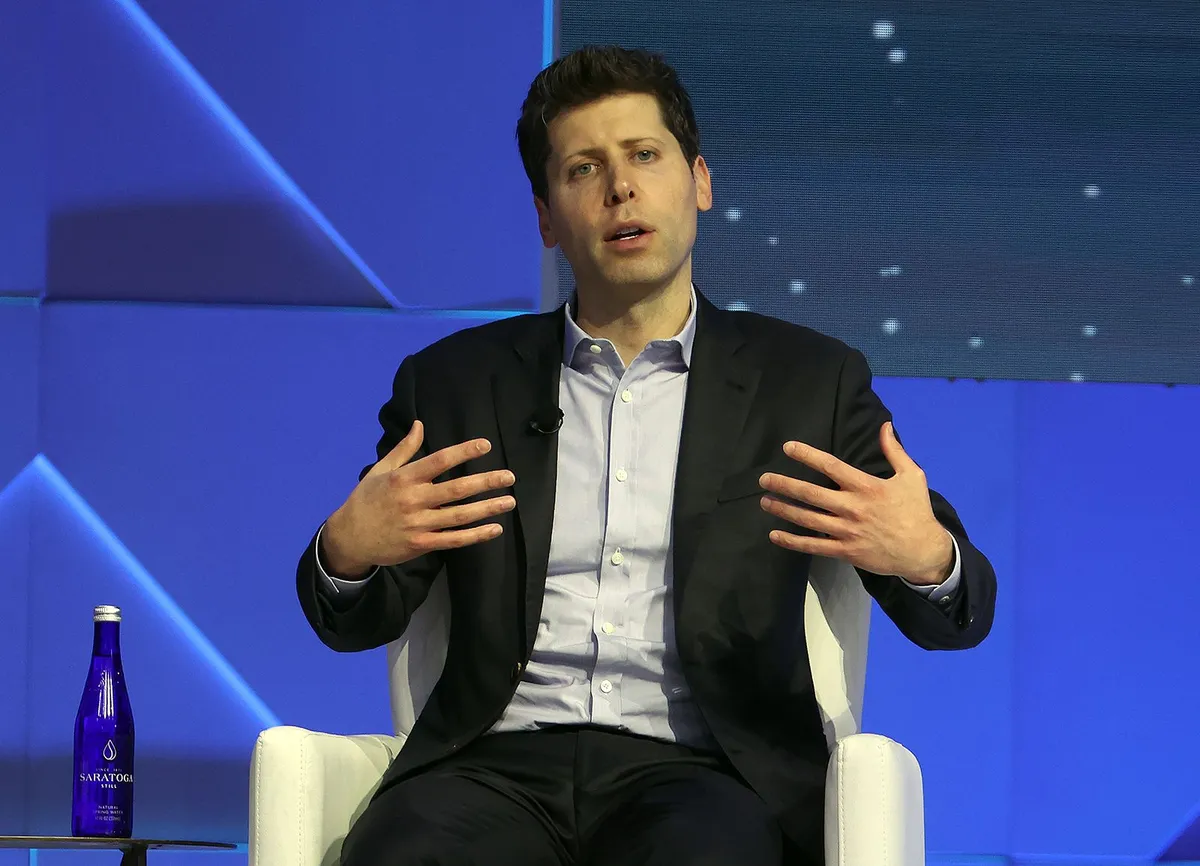
OpenAI’s struggles with Sora were exacerbated by financial losses, reportedly amounting to $1 million per day. This stark reality underscores the challenges that even leading AI companies face when attempting to monetize cutting-edge technology. Altman himself has acknowledged the complexities of running a tech company, stating, “There are like many hard parts about being a CEO that you don’t get sympathy for.” This sentiment resonates with many in the tech sector, where the pressure to innovate can often lead to high-stakes failures.
In a surprising twist, OpenAI also acquired the tech talk show TBPN ahead of its planned IPO, a move that could diversify its offerings and potentially stabilize its financial situation. TBPN, which averages about 70,000 viewers per episode, was acquired for a reported price in the “low hundreds of millions.” Altman has expressed enthusiasm for TBPN, calling it his “favorite tech show,” indicating a strategic pivot towards media as a complementary avenue for growth.
The backdrop of these developments includes a historic licensing deal between Disney and OpenAI, marking the first significant collaboration between a Hollywood studio and the AI powerhouse. This partnership was poised to elevate Sora’s profile significantly, but the app’s closure raises questions about the future of such collaborations. Disney’s Josh D’Amaro remarked, “I get it,” reflecting the complexities of navigating the evolving landscape of technology and entertainment.
As Altman navigates these challenges, he also embraces personal milestones; he welcomed a baby in 2025 and has expressed a desire for his son to “play in the dirt for now,” indicating a thoughtful approach to parenting in a tech-driven world. This personal perspective may influence his leadership style as he balances the demands of a high-profile CEO role with family life.
Looking ahead, OpenAI’s future remains uncertain. While the company has raised an impressive $122 billion in new funding and boasts a valuation of $852 billion, the path forward is fraught with challenges. The recent acquisition of TBPN may provide a new direction, but the impact of the Sora shutdown and the implications for Disney’s investment are yet to be fully understood. Details remain unconfirmed.
In summary, Sam Altman’s leadership at OpenAI is a study in contrasts—balancing the thrill of innovation with the harsh realities of the tech industry. As the company pivots and adapts, the outcomes of these strategic decisions will be closely watched by investors, competitors, and consumers alike.