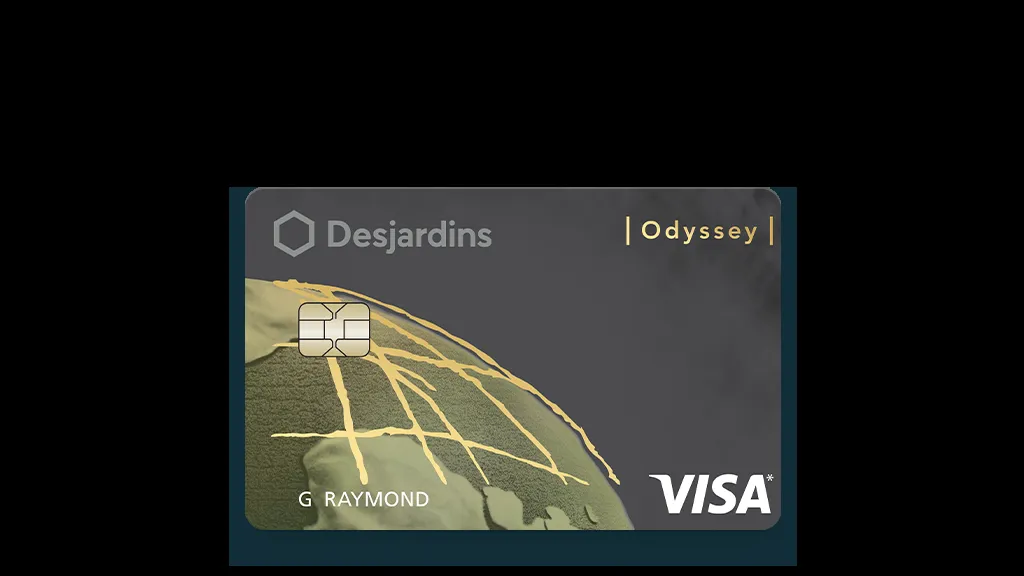
The offer of shared credit cards has existed for a long time before the changes were announced. However, Desjardins is now poised to implement a significant shift in its credit card structure, introducing a system that designates a principal holder and an additional holder. This change will affect over 10% of all accounts at Desjardins, marking a notable transition in how shared credit is managed.
Under the new structure, the principal holder will bear the responsibility for the debt and will build a credit history, while the additional holder will have limited rights and will not accumulate a credit history. This alteration has raised concerns among financial experts and consumers alike regarding the implications for financial autonomy and power dynamics within couples.
Johanne Leblanc, a budget adviser, expressed her concerns, stating, “C’est particulier comme procédure. On ne consulte pas personne et on change les habitudes.” This sentiment reflects a broader unease about the lack of consultation and the potential for abuse of control over financial information.
The principal holder will have the discretion to choose what information to share with the additional holder, which could lead to imbalances in financial transparency and trust. As Leblanc pointed out, “The structure itself changes the balance of power without a new agreement between them.” This change could redefine the relationship between partners without their explicit consent.
Moreover, the designation of principal and additional holder cannot be altered after the initial setup, further entrenching the new dynamics. Critics argue that this rigidity may push clients to seek alternative products, as the loss of symmetry in shared credit could disrupt household budgeting for couples who previously relied on equal access to credit.
As Desjardins modernizes its credit card system, the implications of these changes are becoming increasingly clear. Observers note that this is not a niche adjustment; rather, it represents a fundamental shift in how shared credit is perceived and utilized. The new system may lead to significant changes in household financial management, with potential repercussions for many couples.
In summary, the upcoming changes to Desjardins’ credit card offerings are set to reshape the landscape of shared credit in Quebec. As clients navigate these new structures, the conversation around financial autonomy and relationship dynamics will likely intensify. Details remain unconfirmed regarding how these changes will be received by the broader public and what alternative solutions may emerge in response to the new system.