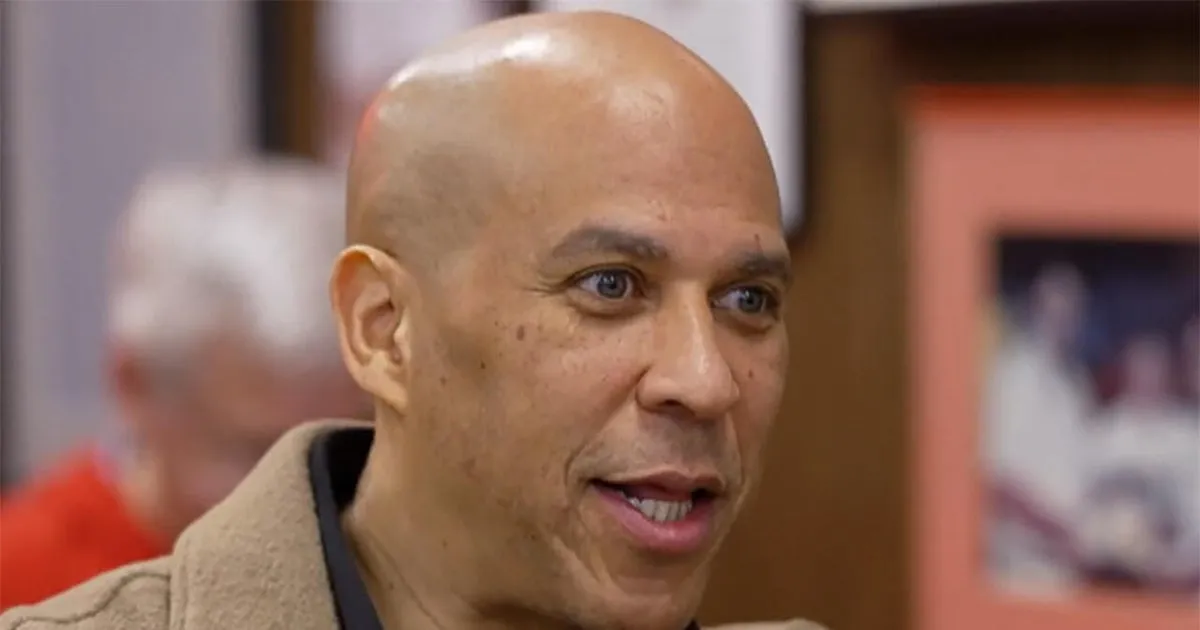
“On retirement, one should have the possibility to live a dignified retirement,” stated Pierre Lynch, emphasizing the growing concerns surrounding the financial realities faced by seniors in Quebec.
As Scott Oake announced his retirement, the conversation around retirement in Quebec has gained urgency. A new online tool has been introduced to help seniors estimate their expenses, which are becoming increasingly daunting.
Recent data reveals that the cost of aging is on the rise, complicating the ability for many seniors to maintain a decent standard of living. Currently, 40% of seniors in Quebec rely solely on public income, which averages around $23,000 per year.
For those living in Montreal, the financial landscape is particularly stark. A couple owning a home faces annual expenses of approximately $32,700, while renters can expect to pay around $41,200. For couples requiring additional home care, these figures escalate significantly, reaching $70,000 for homeowners and $80,000 for renters.
In response to these challenges, Quebec is actively seeking to increase the uptake of Voluntary Retirement Savings Plans (VRSPs), which were introduced in 2013 as an alternative to traditional pension plans. The province is implementing minimum contribution rates and new investment options to bolster retirement savings.
However, the management fee cap for existing investment options will increase to 1.50%, which may raise concerns among potential investors. Additionally, new investment options will require employers to contribute at least 2% of an employee’s salary, a move aimed at enhancing retirement security.
The financial landscape for seniors is fraught with challenges, and as the population ages, the need for effective solutions becomes more pressing. The introduction of tools and plans like VRSPs is a step in the right direction, yet many are left wondering if these measures will be sufficient to ensure a dignified retirement.
As discussions continue, the focus remains on how to provide better support for seniors facing financial difficulties. The upcoming developments in retirement planning and public policy will be critical in shaping the future for Quebec’s aging population.