Key moments
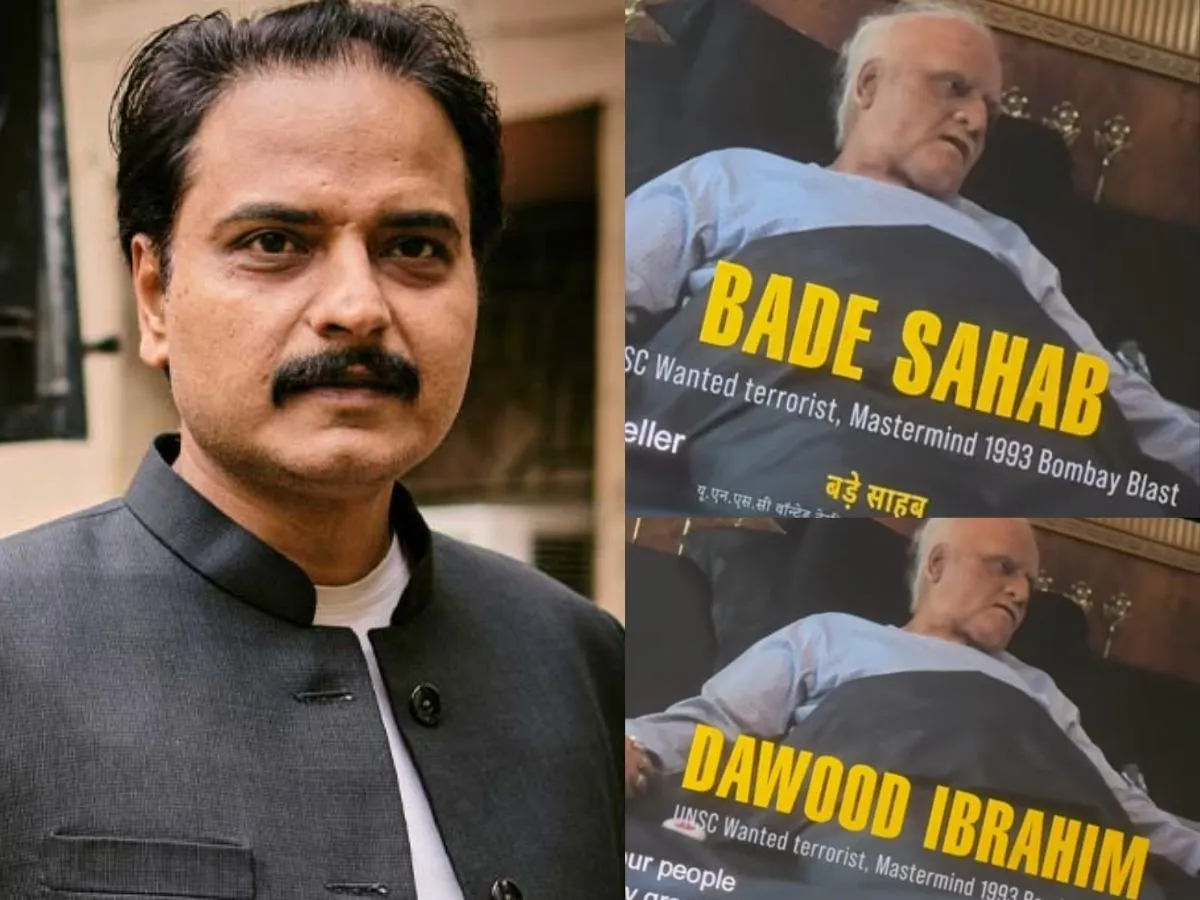
In a surprising twist, Dawood Ibrahim has been featured as the main antagonist ‘Bade Sahab’ in the upcoming film Dhurandhar 2, with Danish Iqbal playing the role. This revelation has ignited discussions about Ibrahim’s notorious past and his ongoing status as one of India’s most wanted terrorists. The film’s release has coincided with reports of Ibrahim’s deteriorating health, raising questions about his future and the implications of his portrayal in popular media.
As the film gears up for its release, immediate reactions have highlighted the character of ‘Bade Sahab’ as a direct inspiration from Ibrahim himself. Many viewers and early reactions suggest that the film’s narrative draws strong parallels with Ibrahim’s life, particularly his infamous reputation as the mastermind behind the 1993 Bombay blasts. The suspense surrounding ‘Bade Sahab’ has captivated audiences, with the reveal of his character being described as a significant moment in the film.
In a broader context, Ibrahim remains a pivotal figure in discussions surrounding organized crime and terrorism in India. His current status, reportedly sheltered in Pakistan, continues to fuel debates about international law enforcement and the challenges of bringing him to justice. Despite numerous attempts to auction his ancestral lands in Mumbake village, Ratnagiri district, the properties have seen a lack of bidders due to fears of association with Ibrahim. After four failed auction attempts, the central government successfully auctioned these properties on March 5, 2026, with the highest bid reaching over ₹10 lakh.
The auction results reveal a complex relationship between Ibrahim’s legacy and the socio-economic landscape of the region. The properties were sold at their respective reserve prices of ₹2.33 lakh, ₹8.08 lakh, and ₹15,440, indicating a cautious approach from potential buyers. The buyer is expected to make full payment by early April 2026, pending final approval. This situation underscores the ongoing impact of Ibrahim’s notoriety on local real estate and economic activities.
Amidst these developments, Ibrahim’s health has become a topic of concern. Reports suggest he is ailing from diabetes, gangrene, and possible poisoning, although details remain unconfirmed. This raises further questions about his influence and the potential implications for his portrayal in films like Dhurandhar 2. The decision to cast Danish Iqbal instead of a mainstream superstar has been described as a bold move by the filmmakers, reflecting a shift in how such figures are represented in cinema.
The film’s narrative, intertwined with real-life events, serves as a reminder of Ibrahim’s enduring presence in the public consciousness. As audiences prepare for the film’s release, the character of ‘Bade Sahab’ not only entertains but also provokes thought about the consequences of glorifying figures associated with crime and terrorism. The filmmakers’ choice to draw inspiration from a real-life antagonist adds a layer of complexity to the viewing experience.
As discussions around the film and Ibrahim’s health continue to unfold, the broader implications of his legacy remain a critical point of analysis. The intertwining of cinema and real-life figures like Ibrahim challenges viewers to reflect on the narratives being presented and the societal impact of such portrayals. With Ibrahim’s health in decline and his status as a wanted criminal still unresolved, the story of ‘Bade Sahab’ serves as a poignant reminder of the shadows cast by such figures in both history and contemporary culture.
In summary, the portrayal of Dawood Ibrahim as ‘Bade Sahab’ in Dhurandhar 2 not only captivates audiences but also raises significant questions about representation, legacy, and the ongoing challenges posed by figures entrenched in organized crime. The film’s release is poised to spark further debate on these critical issues.