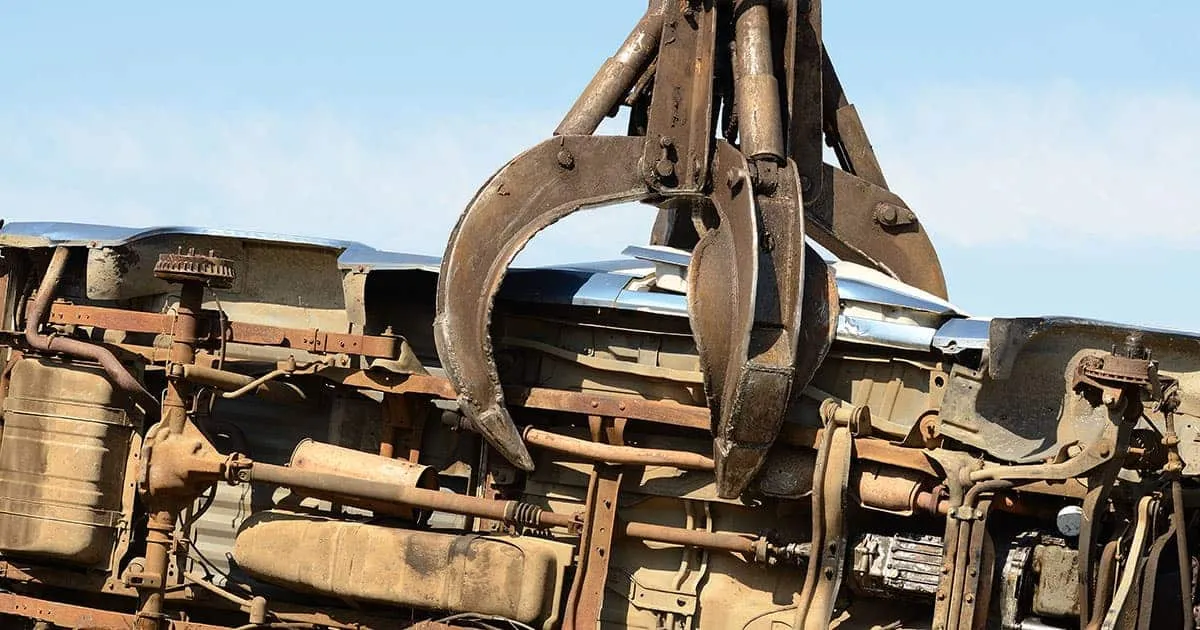
The GIC automotive plastics pilot reveals significant challenges in establishing a circular economy for automotive plastics despite technical feasibility. More than 800,000 tonnes of plastic from end-of-life vehicles are incinerated or landfilled in Europe each year.
Initiated by the chemical industry, the pilot aims to assess the feasibility of recycling these materials. However, while the technical aspects are promising, commercial viability remains unproven. Currently, the closed-loop share of recycled plastic in vehicles stands at approximately 2.5%, far from the new EU regulation requiring that new cars contain 25% recycled plastic by 2036, with 20% sourced from closed-loop vehicle recycling.
Charlie Tan succinctly stated, “Closing the loop on automotive plastics is no longer a question of ambition; it is a question of execution.” This sentiment underscores the urgency for effective implementation strategies to bridge the gap between potential and reality.
The situation is further complicated by recent regulatory changes affecting tire recycling. The Ontario government has reduced the required percentage of recycled tires from 85% to 65%. Critics like Peter Tabuns argue that such rollbacks do not address fundamental issues—”They don’t deal with the fundamental problem,” he remarked, emphasizing a lack of corrective measures.
Tires pose environmental risks; as Karen Wirsig pointed out, “Tires are flammable and they release extremely toxic pollution when burned.” The need for responsible management by producer responsibility organizations (PROs) is paramount as they are expected to collect and manage all end-of-life tires as they become available, according to Gary Wheeler.
The focus on metal recycling also highlights broader issues within the industry. Allegations have emerged against directors of a Surrey metal recycler who reportedly diverted $14.5 million to private accounts. Such incidents could undermine trust in recycling efforts and producer accountability.
As stakeholders evaluate these challenges, observers remain cautious yet hopeful about future developments. The upcoming EU regulations will likely put additional pressure on manufacturers to innovate and adapt their practices. How swiftly they respond could determine the future landscape of automotive recycling.