Reaction from the field
The escape of Polish Jews during the Holocaust is a narrative marked by resilience and tragedy, with significant consequences that resonate to this day. Mikhal Dekel’s book, “Tehran Children,” sheds light on this harrowing journey, focusing on her father Hannan Teitel’s experiences as he fled Poland in 1939. This story is not just personal; it encapsulates the plight of approximately 250,000 Polish Jews who survived through similar means, highlighting the broader implications of their escape.
The backdrop to Hannan Teitel’s flight was the imminent threat of the Holocaust, which forced his family to flee their well-to-do life in Ostrów Mazowiecka, Poland, towards the Soviet border. Their journey took a perilous turn when they were arrested by the NKVD and sent to Arkhangelsk, where they endured 14 months as laborers. This period was fraught with hardship, including severe food shortages and the constant fear of persecution.
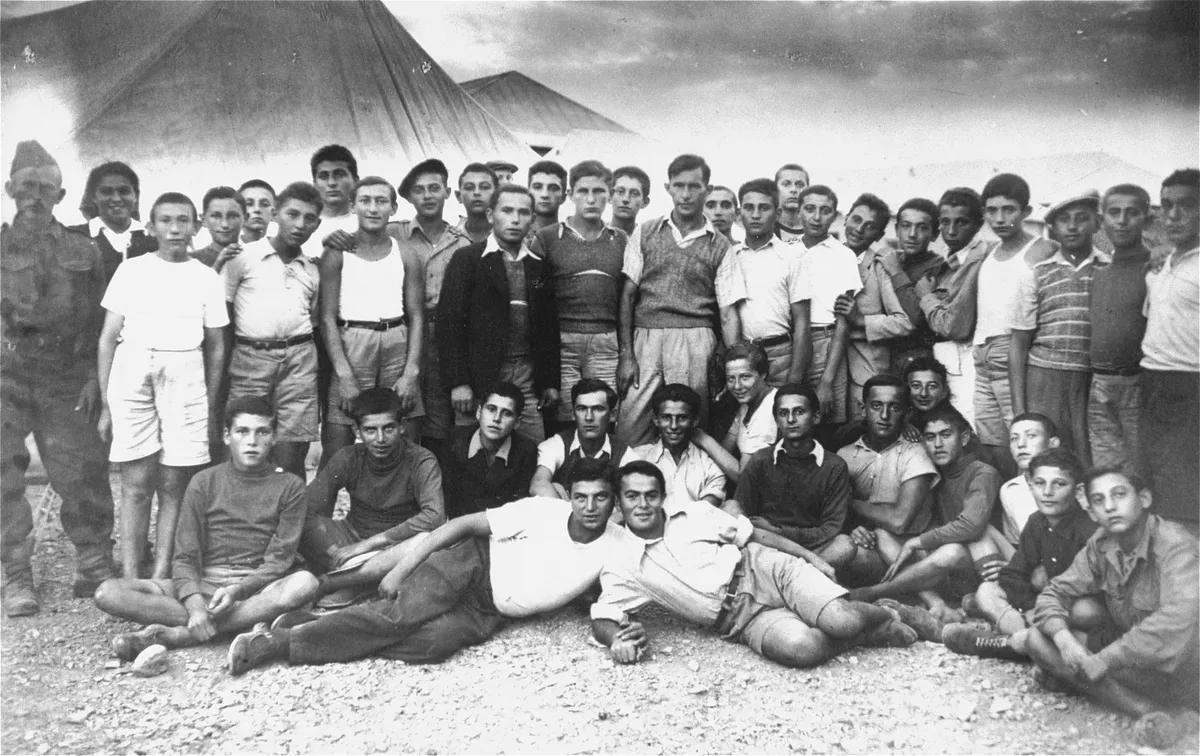
In a twist of fate, the formation of the Anders Army provided a glimmer of hope. Established with the intention of fighting alongside the Allies against Nazi Germany, the army facilitated the evacuation of about a thousand Polish Jewish children to Iran as a humanitarian gesture. This evacuation marked a significant moment in the history of Polish Jews, as it opened a pathway to safety amidst the chaos of war.
Upon arrival in Tehran, these children were gathered at the “Hebrew Children’s Home of Tehran,” a sanctuary that offered them respite from the horrors they had fled. Iran, initially a neutral country with strong ties to Germany, became a crucial hub for Allied activity following the invasion. This shift in allegiance provided a temporary refuge for those escaping the clutches of Nazi terror.
Mikhal Dekel undertook a decade-long journey to retrace her father’s steps, immersing herself in the historical context and personal testimonies that shaped her family’s narrative. Her father’s unique testimony, delivered in Yiddish, stands out as most accounts from that time were recorded in Polish. This linguistic choice underscores the diverse experiences of Polish Jews and the complexities of their identities during the Holocaust.
However, the journey was not without its challenges. Tensions between Polish Jews and Christian Poles persisted during their time in Central Asia and Iran, complicating the dynamics of their shared experiences. The hardships endured, including a grueling 2,000 kilometers traveled from Arkhangelsk to Uzbekistan, reflect the dire circumstances that many faced in their quest for survival.
As Dekel poignantly states, “This book is about my father and me, but it is also about a quarter of a million Polish Jews who survived in a similar way; my father’s story is therefore both unique and universal.” This sentiment encapsulates the essence of her work, which seeks to honor the memory of those who endured unimaginable suffering while also recognizing the shared humanity that binds their stories together.
Looking ahead, the narrative of Polish Jews during the Holocaust continues to evolve as new research and testimonies emerge. The complexities of their experiences, intertwined with the geopolitical landscape of the time, remain a vital area of exploration. As we reflect on these histories, it is crucial to acknowledge both the unique and collective journeys of those who sought refuge from persecution. Details remain unconfirmed, but the quest for understanding and remembrance persists.