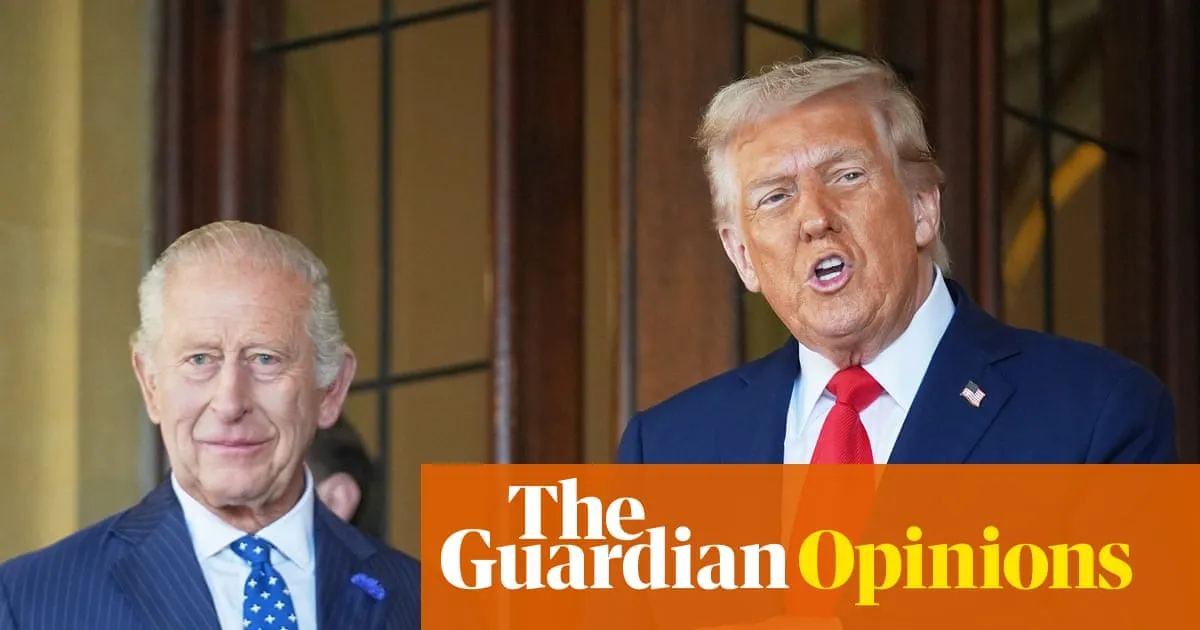
As the world approaches April 28, 2026, anticipation builds around a significant event: King Charles III’s address to a joint session of the US Congress. This occasion is particularly noteworthy as it marks only the second time in the past 250 years since US independence that a British monarch has been granted this honor, with the late Queen Elizabeth II being the first in 1991. The address is set against the backdrop of the 250th anniversary of the colonists’ rebellion, a moment that resonates deeply within the fabric of American history.
Scheduled to begin at 10 AM, the speech is expected to tackle pressing issues surrounding the state of US democracy and its challenges. King Charles III, known for his thoughtful approach to global affairs, will likely address the current political climate, which has been notably influenced by the rise of Trumpism. This is seen as an opportunity for the King to articulate Britain’s perspective on these developments, especially as the UK seeks to navigate its own political landscape post-Brexit.
In preparation for this momentous occasion, King Charles III has been described by Tom Parker Bowles, his son-in-law, as a “food hero,” reflecting his commitment to sustainability and waste reduction in his household. Bowles has highlighted that in the King’s home, nothing is wasted; leftovers are creatively repurposed into new dishes, showcasing a long-standing personal value of the monarch. This ethos of sustainability may well resonate with the audience, as environmental concerns increasingly dominate global discussions.
As the King prepares to deliver his address, the significance of this event extends beyond mere ceremonial value. Keir Starmer, the leader of the UK Labour Party, has expressed hope that the visit will bolster UK-US relations, which have been tested in recent years. The speech is not only a diplomatic gesture but also a chance for the King to reinforce the historical ties that bind the two nations.
The address will be internationally televised, ensuring that its impact is felt far beyond the walls of Congress. King Charles III’s words will reach millions, allowing him to speak directly to the citizens of the United States as a “friend, longstanding ally and lifelong admirer.” This personal touch is likely to enhance the reception of his message, particularly in a time when international relations are fraught with tension.
In his opening remarks, King Charles III is expected to convey his concerns about the current state of democracy, stating, “Mr Speaker, members of Congress, distinguished guests … Thank you for your welcome. I speak to you, and all the citizens of this wonderful country, as a friend, longstanding ally and lifelong admirer. But I confess I am deeply troubled.” This sentiment encapsulates the gravity of the moment and sets the tone for what is anticipated to be a heartfelt and impactful address.
As the date draws nearer, the world watches closely, eager to see how King Charles III will navigate the complexities of modern politics while honoring the historical significance of his visit. The outcomes of this address could have lasting implications for UK-US relations and the broader discourse on democracy, making it a pivotal moment for all involved.