The Japanese attack on Pearl Harbor on December 7, 1941, marked a pivotal moment in history, drawing the United States into World War II. Prior to this event, the U.S. had maintained a stance of isolationism, with public sentiment largely against entering the conflict. The attack resulted in the tragic loss of 2,390 American lives and prompted an immediate declaration of war against Japan the following day.
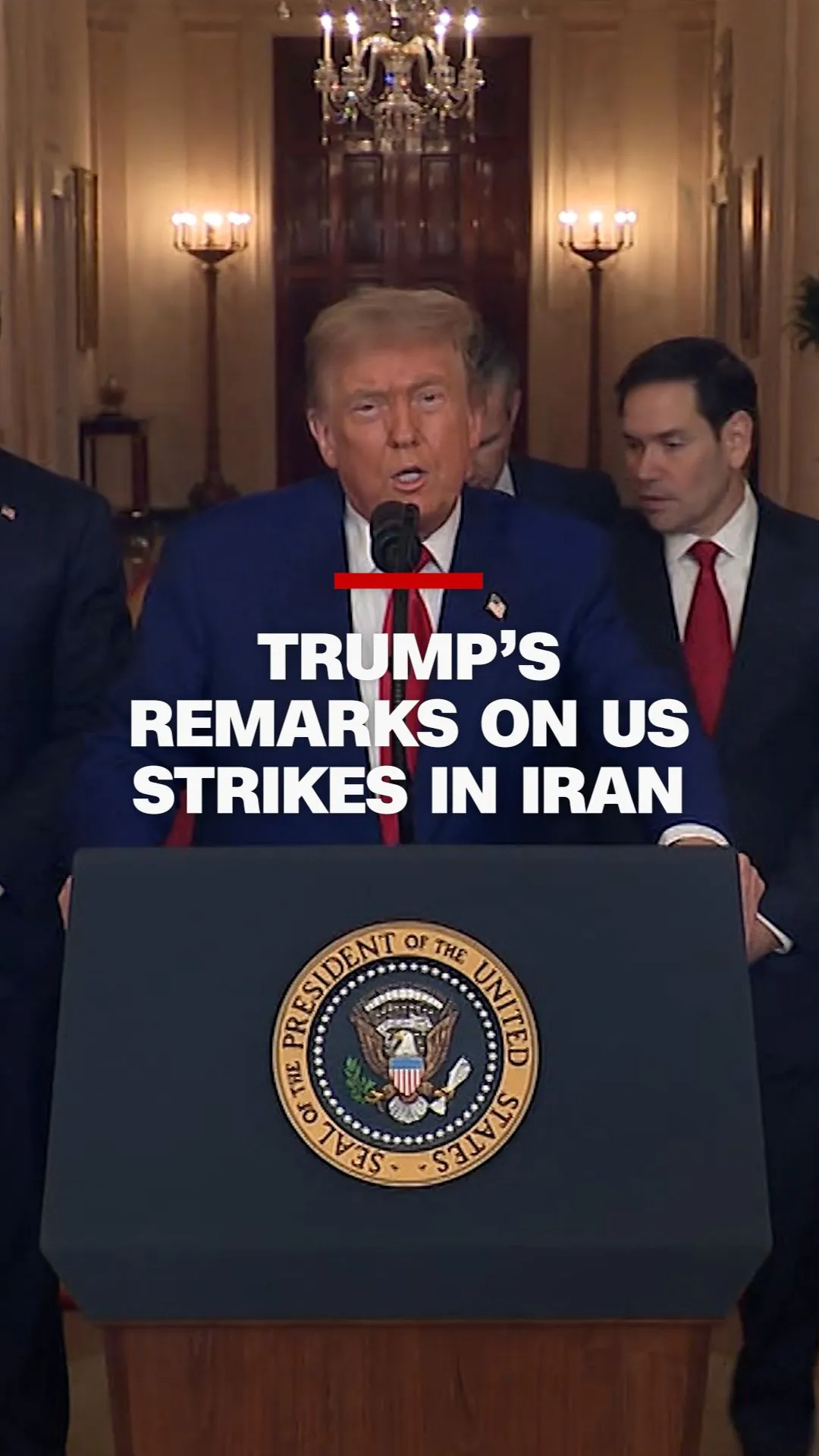
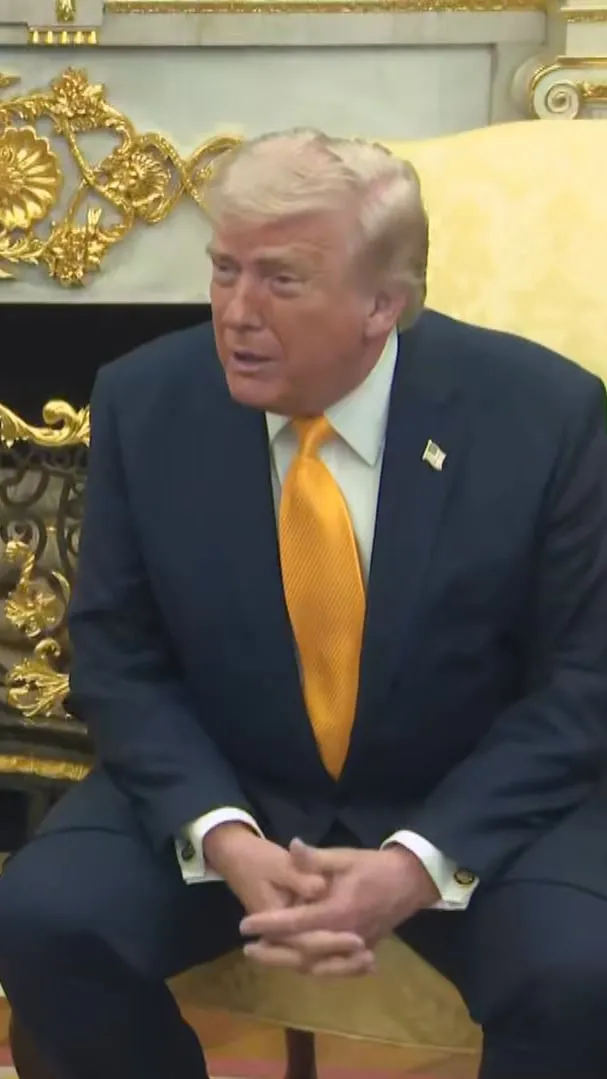
Fast forward to recent discussions, where former President Donald Trump made a striking reference to Pearl Harbor during a meeting with Japan’s Prime Minister, Takaichi. His comments arose in response to a question regarding the U.S. decision to conduct a military strike against Iran without prior notification to allies. Trump asked rhetorically, “Why didn’t you tell me about Pearl Harbor?” This statement has ignited a debate about the ethics and strategies of military surprise attacks.
Trump elaborated, stating, “One thing you don’t want to signal too much, you know, when we go in, we went in very hard and we didn’t tell anybody about it because we wanted surprise. Who knows better about surprise than Japan?” This comparison to the infamous attack on Pearl Harbor raises questions about the legitimacy and morality of using historical precedents to justify modern military actions.
The immediate effect of Trump’s remarks has been a mix of praise and criticism. His son, Eric Trump, publicly lauded his father’s response, suggesting a familial endorsement of the controversial stance. However, critics argue that invoking Pearl Harbor in this context trivializes the historical significance of the event and the lives lost.
Experts in military history and international relations have weighed in on the implications of such rhetoric. They caution that while surprise attacks can be strategically advantageous, they also carry significant risks, including potential backlash from allies and the erosion of trust in international relations.
In the context of U.S.-Japan relations, Trump’s comments come at a time when both nations are navigating complex geopolitical landscapes. The historical memory of Pearl Harbor serves as a reminder of the consequences of military aggression and the need for careful diplomacy.
As discussions about military strategy continue, the reference to Pearl Harbor serves as a provocative lens through which to examine current policies. The historical event remains a touchstone for understanding the dynamics of surprise and the ethical considerations of warfare.
Details remain unconfirmed regarding the broader implications of Trump’s comments on U.S. military policy and international alliances. However, the dialogue surrounding Pearl Harbor and its legacy is likely to persist as a crucial element in evaluating contemporary military strategies.