What observers say
“Har roozetan Nowruz, Nowruzetan Pirooz,” a traditional New Year greeting, resonates deeply as Nowruz approaches in 2026. This phrase, meaning “May every day be your New Year, and may your New Year be prosperous,” encapsulates the spirit of renewal and hope that accompanies the festival celebrated by over 300 million people worldwide.
Nowruz, which translates to “new day” in Persian, is set to be celebrated on March 20, 2026, at 10:46 a.m. ET. This ancient festival, with roots extending over 3,000 years, symbolizes renewal, rebirth, and the triumph of light over darkness. Its observance is a testament to the resilience of cultural traditions that have endured through centuries.
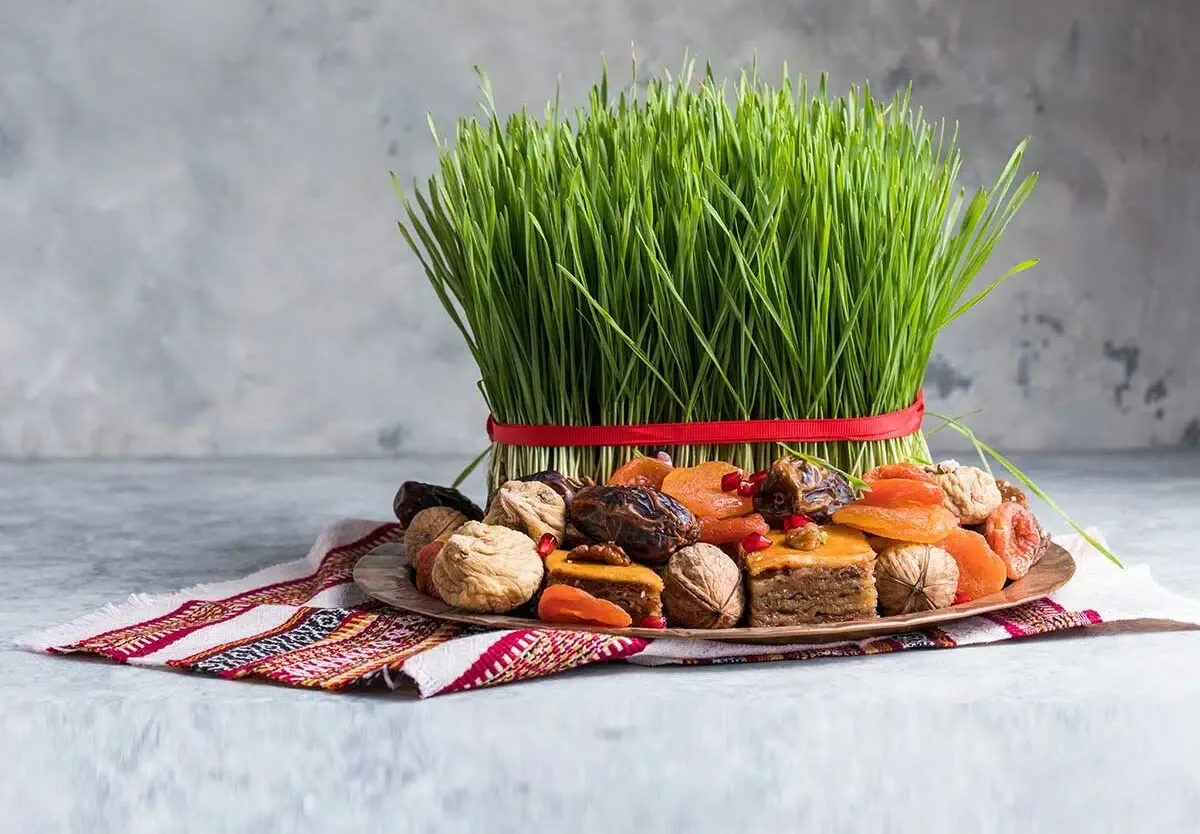
The Haft-Sin table, a central element of Nowruz, features seven symbolic items, each beginning with the letter ‘S’ in Persian. These items, including sprouts (sabzeh) and garlic (seer), represent various hopes for the new year, such as health, wealth, and prosperity. The festival also includes Chaharshanbe Suri, celebrated on the last Tuesday of the year, where people jump over bonfires to symbolize the cleansing of the past and the welcoming of the new.
In 2026, Nowruz coincides with the end of Ramadan and Eid al-Fitr, creating a unique convergence of celebrations. This duality of festivities, occurring just one day apart, presents both an opportunity for communal joy and a challenge for those navigating the complexities of overlapping traditions. Details remain unconfirmed regarding the specific date for Eid al-Fitr, as it may fall on the same day as Nowruz or one day apart, adding an element of uncertainty to the celebrations.
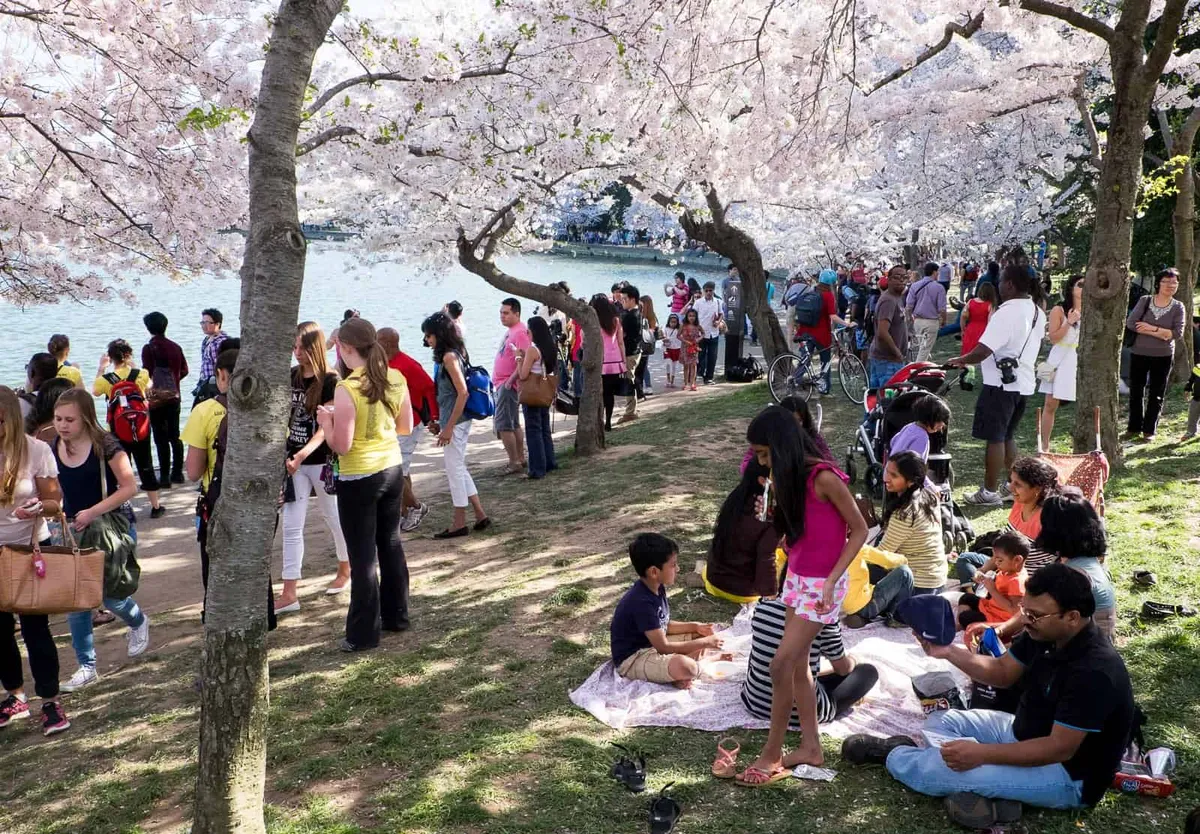
As Nowruz approaches, the significance of the festival extends beyond mere celebration. It is recognized by UNESCO as an important cultural event, emphasizing its role in promoting cultural diversity and understanding. The festival’s secular nature allows it to transcend religious boundaries, uniting people across various regions in a shared celebration of life and renewal.
However, the backdrop of state violence raises concerns about the impact on Nowruz celebrations in 2026. The exact influence of these tensions on the festivities remains unclear, casting a shadow over what is typically a joyous occasion. Observers are keenly aware of the challenges that may arise, as communities strive to uphold their traditions amidst adversity.
As the date approaches, the anticipation builds for the rituals and customs that define Nowruz, including Sizdah Be-Dar, celebrated 13 days after the festival. During this event, the sprouted grains from the Haft-Sin are thrown into a moving body of water, symbolizing the release of misfortunes and the embrace of new beginnings. This act of throwing away the sabzeh serves as a poignant reminder of the cycle of life and the importance of renewal.
Nowruz 2026 stands as a powerful reminder of the enduring nature of cultural traditions, even in the face of contemporary challenges. As communities prepare to celebrate this ancient festival, the hope for renewal and prosperity remains at the forefront, echoing the timeless greeting that has accompanied Nowruz for generations.