The upcoming Palm Sunday Mass, scheduled for March 29, 2026, at 10:00 AM in Saint Peter’s Square, Rome, is set to be celebrated by Pope Leo XIV. This event marks the commencement of Holy Week for the Catholic Church, a period of profound significance leading up to Easter.
However, this year’s celebrations are overshadowed by significant tensions in Jerusalem. The Israeli police have intervened, preventing the Latin Patriarch of Jerusalem from celebrating the traditional Palm Sunday Mass at the Holy Sepulchre. This disruption not only affects local worshippers but also resonates with the global Christian community.
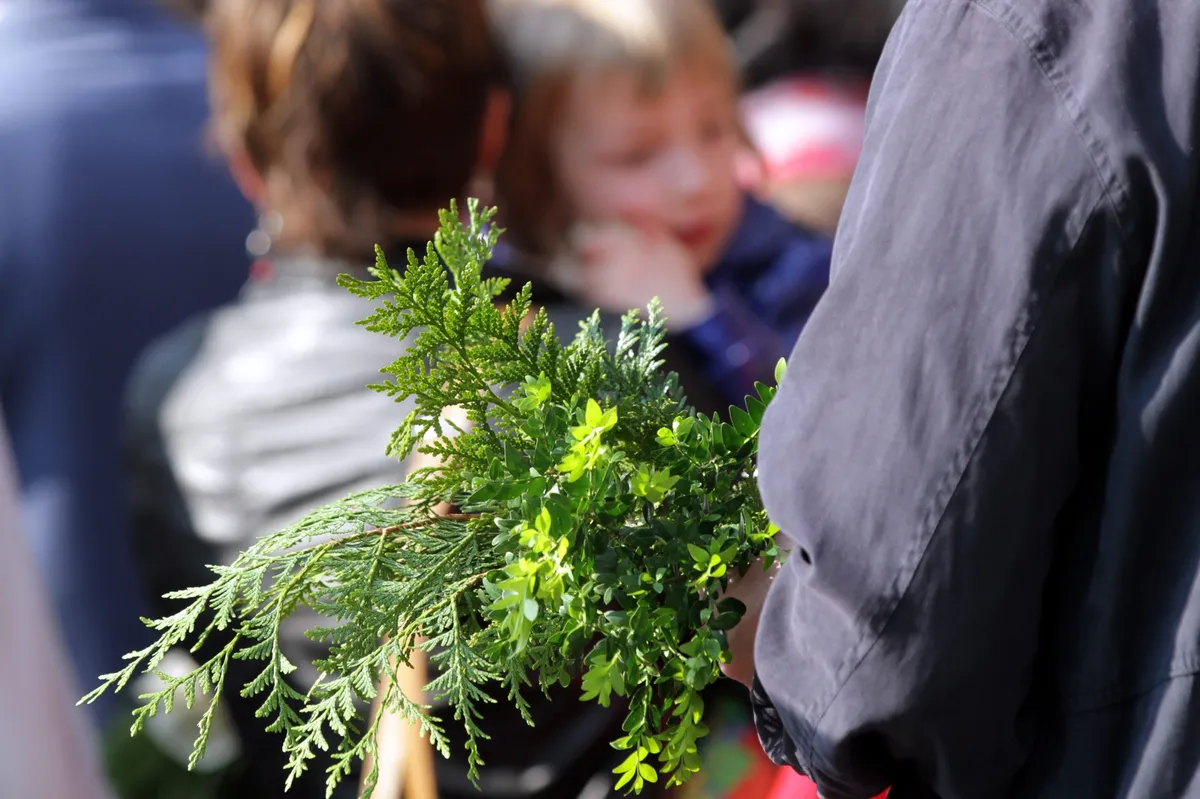
The Palm Sunday Mass is typically a vibrant occasion, symbolizing the triumphal entry of Jesus into Jerusalem, and serves as a precursor to the solemn events of Holy Week. The Mass will be broadcast live on KTO, allowing a wider audience to partake in the spiritual significance of the day, despite the challenges faced in Jerusalem.
In recent years, Palm Sunday has become a focal point for discussions surrounding religious freedom and the rights of Christians in the Holy Land. The inability of the Latin Patriarch to conduct the Mass at such a revered site raises concerns about the ongoing tensions between religious practices and political realities in the region.
As the date approaches, many are left wondering how these developments will impact the overall observance of Holy Week and the Easter celebrations that follow. The situation remains fluid, with details yet to be confirmed regarding the extent of the police intervention and its implications for future religious events.
While the Palm Sunday Mass in Rome will proceed as planned, the events in Jerusalem serve as a stark reminder of the complexities surrounding religious observance in contested spaces. The global Catholic community will be watching closely, hoping for a resolution that allows for peaceful worship in Jerusalem.
As Palm Sunday approaches, the contrast between the celebrations in Rome and the restrictions in Jerusalem highlights the broader challenges faced by Christians in the region. This juxtaposition invites reflection on the significance of religious freedom and the importance of preserving sacred traditions amidst political strife.
In summary, while Pope Leo XIV’s Mass in Rome will be a moment of joy, the situation in Jerusalem casts a shadow over the day, prompting discussions about the future of religious observance in the Holy Land.
Details remain unconfirmed regarding the ongoing situation in Jerusalem, and further developments are expected as the date draws near.